sewage treatment plant Archives - Page 9 of 10 - Water Treatment Plants

netsolwater.jpg

One of the major sources of pollution on a global scale is wastewater treatment plant effluent harmful discharge. The hazardous chemicals identified in these effluents have been linked to adverse effects on aquatic ecosystems and humans on a national and worldwide level. In addition to chemical accumulation and magnification at higher levels of the food chain, some of these effects may include the death of aquatic life, algal blooms, habitat destruction from sedimentation and debris, increased water flow, and other short- and long-term toxicity from chemical contaminants.

How Harmful to the Environment is Effluent?

We are practically depleting water resources because we are rendering water useless. Despite the fact that waterbodies make up the majority of the Earth’s surface, think about the rubbish we are disposing of in them. We are actually contaminating water that we might use. However, the harm that effluent harmful does to the environment goes beyond that.

Habitat and Water Pollution

Wastewater’s greatest direct impact on the environment is when it helps pollute and destroy natural ecosystems and the species that lives there by exposing them to dangerous chemicals that would not otherwise be present in the course of nature.

Depravity

One of the worst causes and carriers of illness is wastewater. A World Health Organization research claims that more than 3.4 million individuals worldwide pass away each year as a result of a waterborne illness. The mix of human waste, solvents, and paints produces vapours that are not only disgusting but also expose individuals to dangerous fumes, in addition to the illnesses that wastewater brings. When you breathe in sewage gas, there is a serious risk.

Degradation of Soil

It is common practise to treat and repurpose wastewater for irrigation. As if that weren’t awful enough, water treatment methods fall short of perfection. When wastewater isn’t adequately handled, chemicals that are hazardous to crops may end up in the soil. The soil will produce fewer crops at a slower rate as a result of these chemicals. Remember that these plants will eventually be eaten, which can be harmful to people.

It Has Dangerous Substances

Heavy metals, pathogens, toxic chemicals, salts, oil and grease, sediments, nutrients, sludge, acids and bases, hazardous organic compounds, organic and inorganic elements may all be present in wastewater. Numerous risks to people, animals, and the environment are present in this wastewater. It may be flammable, reactive, corrosive, poisonous, and/or acidic. Consequently, it has to be treated before being used again or diverted into the water supply.

Impacts of Wastewater on Waterbodies

In general, waterways are particularly vulnerable to the negative impacts of wastewater. Aquatic habitats are disturbed by toxic substances in the wastewater. Organisms begin to break down enormous amounts of biodegradable materials that have entered the water, which requires a lot of dissolved oxygen. For marine life to thrive, dissolved oxygen is essential, and when its levels drop, fish may face a serious threat to their lives.

Additionally, grease and oil in wastewater are harder to degrade and have a tendency to float to the top of the water. This blocks the light that aquatic plants that use photossynthesis need. It has the potential to entangle birds’ feathers and choke fish. These are hazardous to both humans and animals, just as heavy metals like lead and mercury. Serious health consequences could also result from consuming fish that was caught in a tainted water source, either as food or drink. The same holds true for aquatic creatures and plants.

Other Negative Wastewater Characteristics

Untreated wastewater is frequently warm or even hot when dumped, which can raise the water’s temperature and further disturb the ecosystem. Because fish have cold blood, they depend on the water to control their body temperature. The warmth of the water can make animals move more quickly and breathe more heavily. The amount of oxygen in the water is also impacted by its temperature.

Conclusion:

Domestic and industrial wastewaters are significant sources of effluent treatment plant that are released into receiving water bodies on a regular basis due to growing industrialization and rising population density worldwide. The degradation of receiving water bodies is caused by the quality of wastewater effluent harmful, and this degradation has a number of negative effects, including the spread of various waterborne diseases, decreased levels of dissolved oxygen, physical changes to receiving waters, the release of toxic substances, bioaccumulation or biomagnification in aquatic life, and increased nutrient loads.

Guidelines and policies aimed at treating wastewater before discharge into receiving water bodies are therefore being adopted at both the national and international levels in order to protect public health and prevent adverse environmental effects.

Netsol is a leading producer of water and wastewater treatment plants, Netsol Water is situated in Greater Noida. Based on customer feedback and the calibre of our work, we are the industry’s most demanding organisation. You may reach us by phone at +91-9650608473 or by email at enquiry@netsolwater.com  in case you have any questions about our products, services, or support.

sewage-treatment-plant-manufacture-delhi-ncr-netsol-water-solution.jpg

Municipalities mostly employ STPs, or sewage treatment plant, to remove toxic components from sewage. Industries typically employ ETPs, or effluent treatment plants, to address harmful and chemical waste. Both of these plants are crucial for preserving the ecological balance and ensuring that everyone has access to clean water. If wastewater management is ineffective, there will be a severe shortage of clean drinking water.

Sewage treatment plants (STP) deal with this slimy water laden with organic and inorganic garbage. Water that contains a lot of hazardous and chemical waste is called effluent. Numerous chemicals are used by industries, and when they combine with water, they create this effluent. Both sewage and effluent can pose health risks if they are not properly managed.

Here we are going to learn the differences about ETP and STP more clearly. So let’s get going…

Have you ever wondered what makes STP and ETP different? The first distinction is that STP handles sewage and ETP handles effluent. Sewage is created in homes and contains waste products including food waste and animal and human faeces.

In industries, effluent is created, and it contains a lot of harmful and chemical waste. Since organic waste is what sewage treatment plant deal with most of the time, their methods are simpler. Aerobic bacteria break down the waste while solid waste is separated.

Due to the chemicals and toxic material they handle, effluent treatment plants feature intricate systems. They will seriously affect the ecosystem if they are not treated well.

Municipalities use sewage treatment plant. They handle the wastewater generated in populated regions. Once more released into the sewage system is the treated water. This method does not lead to blockage or foul odours. Industries use effluent treatment plants. within the factories

There is a significant volume of wastewater production, and it is teeming with poisonous and chemical waste. These wastes are removed by the plants, which also render the water safe for release into bodies of water.

To ensure they can handle the effluent, both STP and ETP plants need to be built with careful design.

What justifies purchasing a treatment plant?

  • Invest in a wastewater treatment facility to transform dangerous and toxic wastewater into safe water.
  • Due to the industrial revolution, people are consistently producing more wastewater.
  • Such a tremendous amount of garbage cannot be broken down by the microorganisms found in the water bodies. Consequently, rivers
  • Freshwater plants and fish are dying because of the garbage that is clogging the water bodies.
  • Water that contains too many hazardous and chemical substances changes in colour, flavour, and odour. As a result, water quality deteriorates, and outbreaks of heavy metal poisoning and water-borne diseases occur.
  • There is a shortage of water due to the high contamination of the water supply.
  • We should use wastewater in order to preserve the environment’s equilibrium and to keep public water supplies available.
  • Releasing this water into the environment won’t upset the delicate equilibrium. Instead, wastewater treatment will restore the water’s original flavour, colour, and odour. Once more, this water is safe to drink.

What kind of wastewater treatment plant should you get?

You should get STP if you want a plant in your municipality to treat sewage. These plants will cost a little less since they mostly deal with organic waste that can be easily treated.

If you are the owner of an industry, you must establish an effluent treatment facility.  They are sophisticatedly designed to process the hazardous waste and chemicals in the wastewater in order to create safe water that can be released into water bodies without endangering the environment.

You need to carefully plan the plant you are placing. You should see a specialist and get the wastewater tested as a result. They’ll make a list of the many types of impurities in the wastewater and develop a facility that can get rid of them.

The amount of wastewater the plant will have to process will also be taken into account, and it will be built in a way that will make it powerful enough to handle all the trash.

The facility you are constructing should at the very least be equipped to handle all the garbage your factory or municipality generates. If you try to have it created cheaply, the machinery may break down frequently and require maintenance, so you should not be miserly about it and should instead invest in quality machinery and chemicals.

Conclusion:

Netsol water solutions has professionals who can assist you in fully comprehending sewage treatment plants and effective water treatment. To ensure that the wastewater is properly treated, they both need to be carefully planned. In these plants, it is crucial to utilise high-quality equipment and chemicals. Having a reputable business construct your plant will ensure that it is able to deliver the greatest service.

For any other support, inquiries, or product purchases, call on +91-9650608473 or email at enquiry@netsolwater.com

new.jpg

A wide variety of new businesses, including mining, milling, and manufacturing, were brought about by industrialization, and changes in the global economy still have an impact on industrial marketing strategies. To create or manufacture their finished product, each manufacturing and production unit needs raw materials. However, contemporary industrial operations also generate a lot of trash, including paint, metal, slag, ash,  and even radioactive waste.

No matter whether a particular trash is considered household or industrial, without effective, documented disposal procedures, any type of waste might result in employee health risks. It is defined as any liquid, solid, or gaseous leftover materials arising from industrial activities. Let’s discuss the types of industrial wastes more elaborately.

liquid Waste:

Industrial and home waste production both create liquid waste. Most industrial operations require large volumes of water, which might come into touch with radioactive materials, filthy water, rinse water, organic liquids, waste detergents, or even rainfall.

Industrial liquid waste that enters lakes, rivers, or seas has a significant amount of toxins that pose a range of environmental problems. To prevent filthy water from entering big bodies of water, businesses and manufacturers are required to establish wastewater treatment facilities. If the water enters untreated, it might affect the local ecosystem and, in extreme situations, even the local people.

Industrial Solid Waste:

Paper, plastic, wood, packaging materials, cardboard, scrap metal, and any other solid trash that can no longer serve its intended purpose are all considered to be industrial solid waste. On the other hand, some industrial trash is transferred to recycling facilities to be processed for reuse, whereas what could be deemed garbage in one industry may be utilised as raw materials in another.

You may considerably lower trash clearing costs by recycling as much industrial waste as you can, and having effective waste disposal strategies in place helps guarantee that your waste management and waste treatment solutions are as lucrative and environmentally friendly as possible.

Chemical Waste:

Chemical waste, which encompasses all varieties of flammable, poisonous, corrosive, and explosive waste, is produced by the majority of industrial activity. It should only be disposed of by experts as it frequently contains dangerous chemical residue that might injure people, animals, and plants.

Businesses and industries around the world are now required to abide by industrial waste disposal and waste treatment management guidelines and standards, such as those issued by the Occupational Safety and Health Administration and the Environmental Protection Agency. The disposal of such waste should be handled by specialists due to growing environmental protection concerns.

Hazardous industrial waste:

Laboratories, chemical companies, hospitals and garages all produce large amounts of poisonous and dangerous chemical waste. Toxic waste must only be handled by government-approved and specialized facilities since it poses major health and environmental dangers if improperly handled or disposed of.

Netsol provided tips for Industrial Waste Disposal

Regardless of the kind of industrial waste, it is imperative that every business, plant, manufacturing unit, and factory abide by established industry and governmental requirements for trash disposal.

Every person and company should behave with society’s best interests in mind and do their part to help battle global pollution. Industry standard waste treatment techniques may ensure that the number of pollutants emitted to the surrounding environment is maintained to an absolute minimum.

Contact Netsol and take advantage of our waste management tips if you or your business is struggling with the handling of any of these waste types or is experiencing rising costs related to handling this waste. This will not only ensure proper disposal procedures but may also help your company save money.

For any other support, inquiries, or product purchases, call on +91-9650608473 or email at enquiry@netsolwater.com


Screenshot-6.png

Industrial ro plant is a water purification technique that is employed globally in a variety of commercial settings. Early in 1950, Jean-Antoine Nollet made the discovery of the reverse osmosis phenomena. However, this method of water filtration was first developed in 1950 at the University of California, Los Angeles. In the US, 15,200 water distillation facilities were using this method to purify water as of 2001.

Reverse osmosis technology has gained popularity for home and commercial water filtration ever since it was first commercialized. The largest difficulty in reverse osmosis industrial applications is removing dissolved pollutants from the water. Reverse osmosis (RO) systems are the greatest option for commercial and industrial water since they can remove chemical contaminants as well as microbiological or biological contamination.

Although Reverse osmosis system is considered to be sufficient phenomenon for water purification but there is always a chance for betterment. Let’s try to know the latest technology employed by industrial RO plant:

What lead to improvision of technology in industrial RO systems:

Both reverse osmosis (RO) and nanofiltration (NF) technologies are distinctive in that they create two effluent streams, a reduced TDS (total dissolved solids) permeate and a higher TDS concentrate, in contrast to dead-head filtration, which has a single flow in and out. While the majority of RO and NF applications work to produce water with a certain quality in the permeate stream, some specialised businesses rely on membranes to separate valuable components from concentrate streams. Whichever procedure is used, there will always be some amount of water that needs to be disposed of or handled in a way that might be expensive or subject to strict regulations.

What to deal with the concentrate water the system produces is one issue that all RO and NF operators face. The reject stream is frequently thought of as an expensive trash that needs to be disposed of in some way. Returning it to a surface water with a big enough mixing zone is the cheapest alternative. Some facilities have the luxury of being able to obtain permits to discharge their effluent into rivers or lakes further downstream; however, these permits are becoming more difficult to renew as regulatory bodies enforce more stringent guidelines regarding the effects of salinity on indigenous lifeforms further downstream. Many operators find it difficult to simply return the concentrate since it has greater TDS levels than the feed and could have a different pH value.

Recent technologies to address the problems:

It has been extensively researched how to treat RO concentrate using electrodialysis reversal (EDR) devices in conjunction with gypsum precipitation to reach very high recovery rates. Since it gives power plants and paper mills the option of treating or recycling waste streams inside the facility and effectively removes the regulatory and financial challenges associated with offsite liquid discharge, the forward-thinking concept of zero liquid discharge (ZLD) has also been around for a while. Power plants and paper mills have been particularly interested in ZLD.

Recently, as facilities put in the tools required to achieve this aim, the same ZLD goals have been applied to RO systems. When one membrane plant learned that their surface water discharge permit would not be renewed, they were compelled to evaluate ZLD. They used a ZLD method that combined multiple technologies for them, including sludge dewatering, ion precipitation, and ultrafiltration. The recovered water was then combined with their industrial ro plant  permeate. The lowered concentrate volume was substantially smaller than the initial 1.2 MGD that had previously been dumped into a canal, but the ensuing solid trash still needed to be disposed of.

As with any plan to replace or expand capital equipment, the up-front and continuing expenses will affect the breadth of investment, but it’s good to know there are workable alternatives. Regulatory and environmental issues may also drive a specific way. It is possible for discharge permit changes to essentially mandate that a site investigate new water treatment options or improvements. Since getting close to zero might be difficult, there are instances when it is simpler to balance the benefits of an action with their costs. Minimal liquid discharge (MLD), a new nomenclature that is starting to gain popularity in the industry, is emerging as a viable alternative to zero discharge. MLD takes into account tested technology, the capital and ongoing expenses of adopting better recovery rates.

The wastewater, biosolid, and reject process streams that were formerly perceived as waste streams to be disposed of at a cost are now recognised as a nutrient source or a concentrated sidestream that may potentially create income. Heat exchangers are being used by municipalities to discover creative applications for the heat extracted from wastewater streams. It is possible to employ recycled nitrogen and phosphorus from wastewaters as fertilisers, and treated biosolids are being investigated for use as landscape compost. A company is currently evaluating RO to recover salts from concentrate in order to produce a product for resale, and the segregation of urine for nitrogen recovery is under investigation.

Conclusion:

Although there are now many creative choices for the reuse and disposal of RO and NF concentrate waters, industry competitiveness and governmental restrictions will continue to spur forward-thinking ideas that will eventually benefit all of us.

For any other support, inquiries, or product purchases, call on +91-9650608473 or email at enquiry@netsolwater.com

Netsol Water

Headquarter

Plot No. 164,

Udyog Vihar Extension,

Surajpur, Greater Noida,

Uttar Pradesh 201306
+ 91-9650608473

www.netsolwater.com

info@netsolwater.com

LOCATIONS

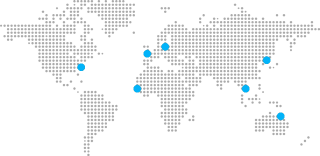
We Are Everywhere in India & Overseas.


GET IN TOUCH

Follow Our Activity

TO get an update about our daily activity just follow us and Join the Hands to Save Mother-Earth