sewage treatment plant Archives - Page 8 of 10 - Water Treatment Plants

When you think of sewage, you probably don’t imagine something beautiful or beneficial. In fact, it’s quite the opposite. Sewage is often seen as a dirty, unpleasant byproduct of human activity that needs to be disposed of as quickly and efficiently as possible. However, sewage treatment plants challenge this perception by turning wastewater into a valuable resource that can be safely released back into the environment or reused for other purposes. These facilities use a range of advanced processes and technologies to remove contaminants and pollutants from wastewater and transform it into clean, usable water.

Here, we’ll explore what sewage treatment plant is, the key features of sewage treatment plants and how they play a critical role in protecting public health and the environment.

What is a sewage treatment plant?

A sewage treatment plant is a facility designed to treat wastewater from homes, businesses, and industries before it is discharged into the environment. The process of treating wastewater involves removing contaminants, pollutants, and other harmful substances to ensure that the water can be safely released back into the environment or reused for other purposes. Sewage treatment plants play a critical role in protecting public health and the environment by preventing the spread of disease and reducing pollution.

sewage treatment plant

Types of Sewage Treatment Plants:

  • Municipal wastewater treatment plants are typically designed to handle the domestic wastewater generated by households, businesses, and institutions. These plants use a variety of treatment processes, including primary treatment (removal of large solids), secondary treatment (biological treatment to remove dissolved organic matter), and tertiary treatment (advanced treatment to remove nutrients and other contaminants).
  • Industrial wastewater treatment plants are designed to treat the wastewater generated by industrial processes such as manufacturing, chemical production, and mining. These plants often require specialized treatment processes to remove pollutants such as heavy metals, oils, and chemicals.
  • Decentralized treatment plants are smaller-scale systems that are designed to treat wastewater in individual buildings or communities. These systems can be more cost-effective and sustainable than centralized treatment plants, especially in rural areas or developing countries where infrastructure is limited.

Environmental Benefits of Sewage Treatment Plants:

Sewage treatment plants play a critical role in protecting the environment by reducing water pollution and preserving aquatic ecosystems. When untreated sewage is discharged into water bodies, it can cause oxygen depletion, algae blooms, and the spread of waterborne diseases. Treated wastewater, on the other hand, can be safely released back into the environment or reused for non-potable purposes such as irrigation, landscaping, and industrial processes.

Sewage treatment plants also help to conserve water resources by treating and reusing wastewater. In some regions, treated wastewater is used to replenish groundwater supplies, recharge wetlands, and support agriculture.

Challenges and Limitations:

Sewage treatment plants face several challenges and limitations that can affect their performance and sustainability. One major challenge is aging infrastructure, as many treatment plants were built decades ago and are in need of repair or replacement. Rising energy costs and changing environmental regulations can also make it difficult for treatment plants to stay financially viable and comply with regulatory standards.

Emerging contaminants such as pharmaceuticals, microplastics, and endocrine disruptors are another challenge for sewage treatment plants. These substances can be difficult to remove using traditional treatment processes and may pose risks to human health and the environment.

Future of Sewage Treatment Plants:

As technology and environmental awareness continue to evolve, sewage treatment plants are adapting to become more efficient, sustainable, and innovative. Some of the emerging trends in sewage treatment plant design include resource recovery, decentralized systems, and smart water management.

Resource recovery involves extracting valuable materials such as nutrients, energy, and biosolids from wastewater and using them for other purposes. Decentralized systems use small-scale treatment plants and green infrastructure to treat wastewater in individual buildings or communities, reducing the need for large centralized treatment plants. Smart water management involves using sensors, data analytics, and automation to optimize treatment processes and reduce energy consumption.

Global Perspectives: Sewage treatment plants are not just a local or regional issue, but a global challenge that affects billions of people around the world. According to the World Health Organization, over 80% of the world’s wastewater is discharged into the environment without adequate treatment, leading to waterborne diseases, ecosystem degradation, and other environmental and public health risks.

In developing countries, the lack of adequate sanitation and wastewater treatment infrastructure is a major challenge, with millions of people lacking access to safe and clean water. Improving sanitation and wastewater treatment infrastructure in these regions is critical for improving public health and reducing the environmental impact of wastewater.

Key Features of a Sewage Treatment Plant:

There are several key features of a sewage treatment plant that are essential for ensuring effective wastewater treatment. Here are some of the most important features:

  1. Pretreatment: The pretreatment process is the first step in the wastewater treatment process. It involves the removal of large debris, such as sticks, rags, plastics, and other objects that could clog pipes or damage downstream equipment. The pretreatment process is critical to protecting the downstream equipment and ensuring that the wastewater is free of large debris.
  2. Primary Treatment: After the pretreatment process, the wastewater enters a primary sedimentation tank, where solid particles and organic matter settle to the bottom of the tank. This is achieved through gravity settling, where heavier particles sink to the bottom of the tank and lighter particles rise to the top. The settled material, also known as primary sludge, is removed from the tank and transported to a sludge treatment facility.
  3. Secondary Treatment: The remaining wastewater undergoes secondary treatment, which typically involves biological processes to remove organic matter and pollutants. The goal of secondary treatment is to reduce the amount of organic matter and nutrients in the wastewater before it is discharged into the environment. The most common type of secondary treatment is activated sludge, where microorganisms are added to the wastewater to break down the organic matter into simpler substances. The treated wastewater is then sent to a secondary sedimentation tank, where the remaining solids settle out.
  4. Disinfection: After secondary treatment, the treated wastewater is disinfected to remove harmful bacteria and viruses. The most common disinfection methods are chlorination, ultraviolet light, and ozone. Chlorine is the most widely used disinfectant, but it can react with organic matter in the wastewater to form disinfection byproducts, which can be harmful to human health. Ultraviolet light and ozone are more expensive but are becoming increasingly popular due to their environmental benefits.
  5. Sludge Treatment: The sludge that is removed during the primary treatment process is sent to a sludge treatment facility, where it is further processed and treated before being disposed of or used as fertilizer. The most common sludge treatment methods are anaerobic digestion, aerobic digestion, and composting. Anaerobic digestion is the most common method and involves the use of bacteria to break down the organic matter in the sludge and produce biogas, which can be used to generate electricity or heat.
  6. Advanced Treatment: In some cases, additional treatment processes may be necessary to remove specific contaminants, such as nitrogen or phosphorus. This advanced treatment is often required in areas where the treated water is discharged into sensitive environments like rivers or lakes. Advanced treatment methods include biological nutrient removal, chemical precipitation, and membrane filtration.
  7. Monitoring and Control: Sewage treatment plants require constant monitoring and control to ensure that the treatment processes are working effectively and efficiently. This is achieved through the use of advanced control systems that monitor water quality, flow rates, and other important parameters. The data collected from these systems is used to optimize the treatment processes and ensure that the treated water meets strict environmental standards.

Conclusion:

A sewage treatment plant is a complex facility that involves multiple treatment processes to remove contaminants and pollutants from wastewater. The key features of a sewage treatment plant include pretreatment, primary and secondary treatment, disinfection, sludge treatment, advanced treatment, and monitoring and control. These processes work together to ensure that the treated water meets strict environmental standards and can be safely discharged into the environment or reused for other purposes.

If you are curious to know more, feel free to contact us at +91-9650608473 or enquiry@netsolwater.com


cover-1-1280x721.jpg

Any industrial or commercial facility, such a food processing plant or manufacturing company, produces and discharges effluent discharge, which is also referred to as “wastewater.” There are rules you must follow, and each business is in charge of its own waste. Effluent can be defined as It is an unwanted consequence of using water. The water that is utilised when you turn on the faucet or flush the toilet will ultimately reach the ocean and other major bodies of water.

We’ve laid out all the related terms which are important to know about the effluent discharge here. So, let’s get to know more about the effluent discharge..

Discharge of effluent into groundwater or surface waters

You need authorization from your environmental regulator if you are discharging to surface water or groundwater. You risk legal repercussions if you discharge without permission. Rivers, reservoirs, and canals are examples of surface waters. The biggest reservoir of fresh water is groundwater, which is found below the water table.

If they penetrate the aquatic environment, many solids, liquids, and gases can pollute the ecosystem. Chemicals, oils, and waste materials are examples of pollutants. Even milk has the potential to seriously damage the aquatic ecosystem.

Dumping of effluent into sewers:

Sewage companies control the discharge of effluent into the sewer network to safeguard people, the environment, and the sewer system. If your firm flushes trade effluent into the sewer system, such as fats, greases, oils, chemicals, detergents, or heavy metal rinses, you’ll need to get your water and sewage company’s permission or sign a trade effluent agreement before doing so. They will determine the kind, volume and strength of effluent you are allowed to discharge as well as the fees your company will have to pay. You risk legal action, penalties, and even incarceration if you discharge without the proper agreement.

Sludges and screens are only two examples of the items from your effluent treatment plant that must be disposed of as trash. Up until it is recycled or disposed of, your company is legally responsible for its waste. This covers all phases of handling and storage.

Effluent Discharge

Your obligations regarding waste:

You could require a waste management licence from your environmental regulator if you (or your contractor) spread sludge from your effluent treatment plant on land. Though you might be able to file an exemption, it is crucial that you first talk through any ideas with your environmental regular. You must make sure your operations don’t endanger human health or endanger plants, water, air, soil, or animals, regardless of whether you have a licence, permission, or are exempt. Additionally, you must refrain from any action that might harm the surrounding area or points of interest, like making noise, emitting odours, or creating a disturbance in general.

Recommendations:

There are several approaches to make sure you manage wastewater discharge in accordance with best practises. Most essential, you should always adhere to the precise requirements of any permit or authorization you get from an environmental regulator or a sewage business. You may use the following additional recommended practises to reduce your wastewater discharge:

Better process control

A strong incoming flow can be minimised with the use of effective process management. For instance, flow and load balancing can lessen the shock loads on your treatment facilities. In an emergency, you might also think about using an offline tank as a holding tank.

Reduce the amount of cleaning agents you use

Use caution while using cleaning chemicals since they might be particularly harmful to the aquatic environment. One strategy is to get rid of as much product as you can before cleaning the machinery. For instance, factories frequently use pigging systems to move products to the following step of manufacturing.

Enclose drains

Grates covers and grease traps can lessen the amount of waste that enters the sewer system in the food and beverage manufacturing industry. Never use water to clean up spills; always use a brush or a vacuum.

Reduce the volume.

The Mogden Formula serves as the foundation for most discharge consents. The expenses of disposal increase as you discharge more and send more waste goods for discharge.

Maximize storage space

By making sure you have enough storage space for the amount of sludge your business produces, you may limit the amount of sludge you distribute on land.

Conclusion:

The discharge of effluents from your industrial or commercial property is your duty, and you must obtain the necessary permission from the relevant organisations or authorities as described in this article to avoid penalties and legal action.

The wastewater and dewatering team at Netsol water solutions has specialised understanding in commercial and industrial water treatment, allowing wastewater to be reused and lowering outflow. Place a call at +91-9650608473 or by email at enquiry@netsolwater.com  to learn more about how our solutions can be of use to you.

ETP-Plant-Manufacturer-1-1280x711.png

The goal of an effluent treatment plant, also known as an ETP, is to discharge clean water into the environment while protecting it from the negative effects of the effluent. ETPs are one form of waste water treatment process.

Let’s discuss effluent treatment plants in detail

Depending on the industry, industrial effluents comprise a range of different substances. Some effluents contain hazardous substances while others contain oils and grease (e.g., cyanide). Degradable organic contaminants are present in factory effluents from the food and beverage industry. Industrial waste water contains a variety of pollutants, necessitating the use of a specific treatment method called ETP. The ETP Plant processes waste water from many industrial sectors, including chemicals, medications, pharmaceuticals, refineries, dairy, ready-mix industries, and textiles, among others, using a variety of physical, chemical, biological, and membrane processes.

Advantages of ETP:

  1. To purify industrial waste so that it can be recycled and used again
  2. To decrease the amount of fresh water used in industry
  3. To protect the environment from pollution
  4. To comply with the government’s guidelines for pollution emissions and avoid facing severe penalties
  5. To cut back on water acquisition costs

Process for Treating Industrial Effluent:

Depending on the kind of effluent, different effluents require different treatments. Before effluent is released into the environment, wastewater enters the effluent or sewage treatment plant and undergoes a number of processes. The steps of the industrial effluent treatment plant process are as follows:

  1. Preliminary Treatment: Its goal is to physically separate large-sized pollutants. Consider materials like cloth, plastic, paper, and wood logs. This stage/process entails:

Screening: In waste water treatment facilities, this is the initial unit activity that takes place. A screen is a tool with consistently sized apertures used to catch big floating objects.

Sedimentation: It is a physical method of purifying water that eliminates suspended particulates from the water by employing gravity.

ETP

Grit Chamber: The wastewater that enters the grit chamber eliminates the heavy inorganic materials that have found their way into the sewers, such as metal shavings, gravel, and sand. Grit removal can help avoid pump damage and operational issues.

Clarifiers: Before biological treatment, particles deposited by sedimentation are continuously removed from the tank by mechanical means.

  1. Primary treatment: The primary goal of this treatment is to remove floating and settleable substances, including suspended solids and organic waste. Both physical and chemical techniques are employed in this treatment. It contains:

Flocculation: The physical process of flocculation does not include the neutralisation of charge. Destabilized particles are combined into substantial aggregates in order to make it simple to remove them from the water.

Coagulation: It is a procedure that involves the addition of coagulants in order to hasten the quick settling of tiny solid particles in a liquid into larger mass. It enables filtration and sedimentation for particle removal.

Neutralization: This procedure’s primary goal is to maintain a pH range of 6 to 9 in order to satisfy the needs of various ETP processing units.

Primary Clarifiers: These are used to decrease the water’s velocity so that organic solids will settle to the tank’s bottom and contain equipment for removing floating solids and oil from the surface.

  1. Secondary Treatment: The goal of secondary or biological treatment is to further process the effluent from primary treatment to remove suspended particles and remaining organics. This stage involves both biological and chemical activities.

Activated sludge process: The Activated Sludge Process uses air and a biological floc made of bacteria to clean industrial waste water.

Aerated Lagoons: An artificial aeration system is added to a treatment pond to aid in the biological oxidation of waste water.

Trickling filters: They are frequently used for the biological treatment of home sewage and industrial waste water. They are sometimes referred to as sprinkling filters.

Rotating Biological Contactor: This process involves exposing wastewater to a biological medium in order to filter out pollutants before releasing the cleaned wastewater into the environment.

  1. Advanced/tertiary treatment: The goal of tertiary treatment is to provide a final step of treatment to enhance the effluent quality to the appropriate level before it is reused, recycled, or released into the environment.

Chemical coagulation and sedimentation: After primary and secondary treatment, chemical coagulation and sedimentation are utilised to increase the removal of solids from effluent.

Filtration: To assure high-quality water, the cleared wastewater is first sent through the nearby filtration plant’s big filter blocks.

Reverse osmosis: In this method, wastewater is forced under pressure across a membrane that traps impurities on one side and lets clean water through to the other.

UV disinfection: This method is regarded as the best one for treating industrial waste water. By maintaining the water quality, it ensures that no residual disinfection is left in the water. There are no by-products of disinfection produced by it.

What Netsol can offer!

The operation and maintenance of municipal and commercial water and wastewater treatment facilities is a specialty of Netsol Water Solutions. The majority of water and wastewater treatment plants and procedures currently in use, including sewage treatment plants, reverse osmosis plants, industrial wastewater treatment plants, pumping stations, and advanced water/wastewater treatment facilities, are covered by the plans we currently operate, which treat millions of litres of water per day for both municipal and industrial sectors.

Our team of trained engineers, scientists, diverse operators, and technicians is committed to providing excellent operation and maintenance services.

For any other support, inquiries, or product purchases, call on +91-9650608473 or email at enquiry@netsolwater.com

etp-netsol-1280x869.png

Based on where it comes from, waste water may be divided into two major groups. They include industrial wastewater and sewage treatment plant. Industrial effluent is wastewater produced by different industries, whereas sewage is wastewater produced by residential areas like communities.

The basic difference between the effluent and the sewage treatment plant lies at origin or source of generation. Here we are going to know about the differences clearly….

What is Effluent?

Sewage treatment plant that has been cleaned up in a sewage treatment facility or septic tank is called effluent. It is also known as “wastewater” or “trade effluent.” Effluent is waste that is not surface water, residential sewage, kitchen or bathroom trash. Any industrial or commercial facility is capable of producing and discharging it. Effluent typically drains from the property directly into the main sewer network, and it must be cleaned and treated before it can enter a river, stream, reservoir, or lake.

Typically, effluent comprises one or more pollutants, such as:

  • Chemicals, oils, Fats, and greases (FOGs)
  • Solids, food waste, heavy metal rinses, and detergents

Strict regulatory standards must be met by industrial effluent released from processing and manufacturing facilities. These regulations are intended to safeguard groundwater and surface water resources. The following six issues will affect wastewater treatment in the future:

  • Reduced operating costs,
  • Increased efficiency through optimization,
  • Stricter environmental restrictions,
  • Water shortages and the push for reuse,
  • Evolving technology, and subproduct recovery.

Sludge is a byproduct of many facilities’ effluent treatment plant that, if properly dewatered, may be utilised as a soil component to fertiliser.

compact sewage treatment plant

What is sewage?

The tainted water from residences, workplaces, and educational institutions is referred to as sewage. It comes from things like showers, toilets, washing machines, and dishwashers. Feces, soaps, urine, detergents, food particles, rags, hair, paper, toys, dead goldfish, and anything else thrown down down a drain are examples of pollutants. An individual produces 60 to 100 litres of wastewater on average per day. A system of pipes known as sewers transports sewage to a treatment facility for cleaning. The ongoing process of treating wastewater involves eliminating impurities and processing those contaminants into a product that can be recycled safely.

Based on where it comes from, waste water may be divided into two major groups. They include industrial wastewater and sewage. Industrial effluent is wastewater produced by different industries, whereas sewage is wastewater produced by residential areas like communities.

The main distinctions between effluent and sewage are:

SEWAGE EFFLUENT
Domestic wastewater produced by a community of people is referred to as sewage.


This is the waste that any industrial or commercial process dumped into our sewers.
The many drains and pipelines in the neighbourhood carry sewage.


Compared to the rubbish we generate on a daily basis; this is completely different.


This is a concoction of hazardous chemicals.


This can be described as anything that isn’t part of our regular waste stream, such as bathroom waste or other trash.


Usually, sewage consists of water and waste. Sewage refers to the pipe system that carries sewage. It becomes an influent when it reaches the neighbourhood treatment system. It is once more an effluent after being treated and exiting the treatment plant.


Not all wastewater is wastewater, but all sewage is wastewater. Wastewater is water that has been used for its intended use. It can be sewage or grey water in a house. Wastewater from a particular industry might be polluted with alkalis, acids, or oils. The sewage from that facility might or might not go in the same location. Often, pretreatment or treatment is necessary for industrial wastewater.

Conclusion:

From design and engineering to installation, construction, operation, and maintenance, Netsol Water provides a comprehensive one-stop service for water treatment facilities. It has a proven track record of offering effective and affordable technology to carry out several projects in numerous cities, making it one of the leaders in the field of water and waste water management. It can offer the finest capital and operational expenditure ratio solution to achieve low cycle costs as well as the highest institutional knowledge thanks to its design centre and internal technical skills.

Leading producer of water and wastewater treatment plants, Netsol Water is situated in Greater Noida. Based on customer feedback and the calibre of our work, we are the industry’s most demanding organisation. Our USP, aside from this, is our 24-hour customer service. You may reach us by phone at +91-9650608473 or by email at enquiry@netsolwater.com  if you have any questions about our products, services, or support.

Netsol Water

Headquarter

Plot No. 164,

Udyog Vihar Extension,

Surajpur, Greater Noida,

Uttar Pradesh 201306
+ 91-9650608473

www.netsolwater.com

info@netsolwater.com

LOCATIONS

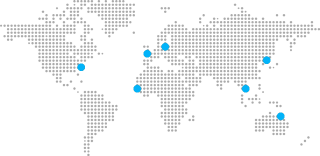
We Are Everywhere in India & Overseas.


GET IN TOUCH

Follow Our Activity

TO get an update about our daily activity just follow us and Join the Hands to Save Mother-Earth