sewage treatment plant manufacturer Archives - Page 2 of 10 - Water Treatment Plants

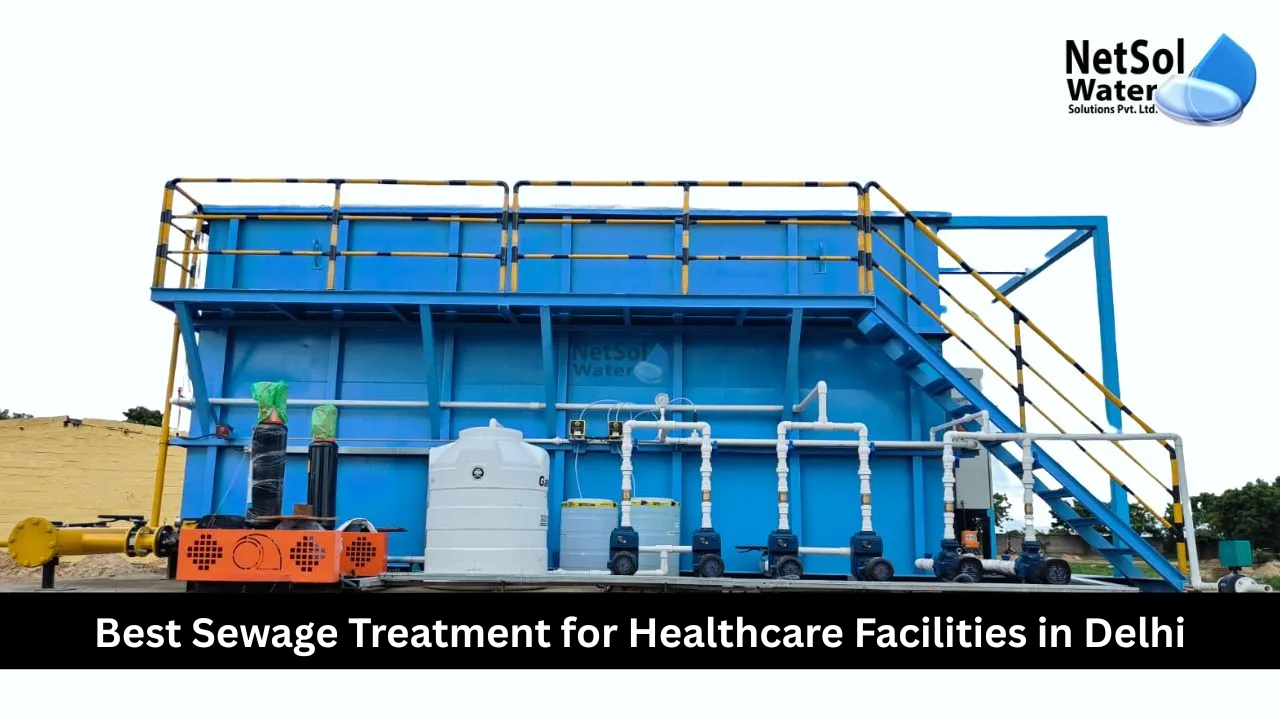
Best-Sewage-Treatment-for-Healthcare-Facilities-in-Delhi.png

Best Sewage Treatment for Healthcare Facilities in Delhi

Delhi stands as the capital of India and a center of culture and medicine. The city has many hospitals and clinics that serve people. This makes sewage treatment for healthcare facilities in Delhi a matter of public interest. Wastewater from clinics and hospitals can carry harmful pathogens and chemicals if treatment does not occur. Clean water and safe disposal help protect communities and the environment. Netsol Water is a leading manufacturer of Sewage Treatment for Healthcare Facilities in Delhi. Their solutions address the unique needs of medical institutions in this busy metropolis. Here we explore why focused treatment matters and how Delhi can benefit. We also explain specific challenges that healthcare centers face when managing wastewater in this urban setting.

The Importance of Effective Sewage Treatment in Healthcare Facilities

Healthcare facilities produce wastewater that contains contaminants which pose risks to patients staff and nearby residents. Proper treatment in these sites prevents the spread of infections. It also safeguards water bodies and agricultural areas from dangerous substances. Without adequate treatment hospitals may release untreated or partially treated water that contains medicines radioactive isotopes and pathogens. This can lead to environmental damage and public health concerns. Let us have a look on some key aspects of why healthcare institutions must invest in sound sewage management practices.

Protecting Public Health

Healthcare facilities care for sick and vulnerable individuals. Wastewater from labs operating rooms and isolation wards may contain bacteria viruses and other pathogens. If a hospital discharges untreated water into sewers or drains these pathogens can reach public areas. This can cause outbreaks of disease among people who come into contact with contaminated water. Clinics that serve many patients generate high volumes of liquid waste. Treatment systems remove harmful organisms before the water leaves the plant. When hospitals follow strict protocols for sewage treatment they help break the chain of infection. This reduces the risk that dangerous microbes will spread within a community. A reliable treatment plant also ensures that staff and visitors stay safe while on site.

Environmental Considerations

Beyond human health concerns wastewater from healthcare sites carries chemical residues from drugs and disinfectants. These chemicals can harm aquatic life after entering rivers or lakes. Some pharmaceutical compounds do not break down easily in water. When discharged they may bioaccumulate in fish and other organisms. This affects the entire food chain and can return to humans who consume contaminated fish or vegetables irrigated with polluted water. Proper treatment systems remove or neutralize these toxic substances. Additionally many hospitals produce radioactive waste that needs special handling. Advanced sewage treatment processes help remove radiation and reduce pollution. By managing wastewater responsibly healthcare facilities preserve local ecosystems and protect groundwater sources relied upon by nearby communities.

Challenges of Sewage Treatment for Healthcare Facilities in Delhi

Treating wastewater in medical centres in Delhi involves several unique challenges compared to other regions. The city’s high population density and urban mass place stress on infrastructure. Many hospitals sit close to residential areas and water bodies. This increases the need for compact systems that function well under space constraints. Let us have a look on some factors that complicate efficient treatment in this setting.

High Population Density and Load Management

Delhi’s hospitals often serve thousands of patients each day. The volume of wastewater generated can overwhelm simple treatment units. Systems must handle a range of flow rates from outpatient clinics to large hospital wings. During peak hours the inflow may exceed capacity. This causes untreated water to spill or back up into drains. In slum areas or crowded neighbourhoods, a failed system can lead to raw sewage leaking into the streets. Space constraints make it hard to install large treatment plants on hospital grounds. Designers must create compact modules that fit within narrow plots. They also need to ensure scalability so that facilities can expand treatment capacity without major reconstruction. In this environment optimized load management helps balance inflow variations and prevent system overloads. Properly sized settling tanks and equalization basins keep performance steady even when patient inflows surge.

Handling Infectious and Hazardous Waste

Medical wastewater contains not only organic matter but also microbiological hazards. Pathogens from blood labs and isolation wards can infect workers who maintain treatment equipment. Staff must wear protective gear and follow strict protocols when handling sludge. Disinfection processes must operate at high efficiency. Hospital wastewater also carries traces of chemotherapy drugs and antibiotics that can encourage resistant bacteria. Treatment plants need specialized reactors or filters to break down or remove these tough compounds. If treatment fails these residues enter the municipal sewer network and disrupt biological processes at city treatment centers. In certain areas of Delhi some hospitals face intermittent electricity supply. This disrupts treatment processes that depend on pumps and aeration systems. Backup power and fail safe controls must be part of any design. A well planned facility also includes quarantine tanks to isolate highly infectious waste during outbreaks or emergencies.

Solutions and Technologies by Netsol Water

Netsol Water has emerged as a reliable provider of Sewage Treatment for Healthcare Facilities in Delhi. The offerings focus on the precise needs of hospitals clinics and diagnostic centers. Each solution ensures compliance with local regulations while keeping operations simple and reliable. Let us have a look on some of the key features that make Netsol Water systems suitable for medical institutions.

Advanced Treatment Systems

Netsol Water designs modular treatment units that fit into limited spaces common in Delhi hospitals. These compact plants include primary sedimentation clarifiers biological reactors and tertiary filtration modules. In the primary stage solids settle out under gravity. In the biological stage microbes degrade organic pollutants and reduce BOD and COD levels. Finally tertiary filters use sand activated carbon or membrane systems to remove pathogens and residual chemicals. The result is wastewater that meets regulatory standards for discharge or reuse. For infectious waste Netsol Water supplies UV disinfection systems. A UV reactor kills bacteria viruses and parasites quickly without adding chemicals. Hospitals can route a portion of treated water to flush toilets or irrigate ornamental gardens. This reduces dependence on freshwater sources and lowers operating costs. Netsol Water technicians also install sensors and automation controls. These systems monitor flow rates pH and turbidity to maintain consistent performance. In case of high load the system automatically shifts water to equalization tanks until conditions stabilize.

Custom Design and Maintenance

Every healthcare facility in Delhi has unique requirements based on the number of beds services offered and space constraints. Netsol Water engineers begin each project with a site survey to study available land and existing plumbing layouts. They then propose a custom sewage treatment plant tailored to the hospital’s size and future growth plans. During design they also consider local power reliability. Backup generators and battery banks keep critical pumps and blowers running during outages. Netsol Water uses corrosion resistant materials in tanks and pipelines to handle aggressive waste streams. Maintenance teams provide routine checks to clean screens inspect membranes and calibrate sensors. Staff at the hospital receive training on operating procedures and safety practices. This ensures that the system runs at peak efficiency. Netsol Water also offers remote monitoring services. Technicians review data from the treatment plant daily and troubleshoot issues before they lead to breakdowns. Through scheduled preventive maintenance the lifetime of the plant extends and treatment costs remain predictable.

Conclusion

Sewage treatment for healthcare facilities in Delhi remains an important responsibility for hospitals, clinics and diagnostic centres across the city. By investing in efficient treatment systems institutions help protect public health, reduce environmental pollution and comply with government regulations. Netsol Water stands as a leading Sewage Treatment Plant Manufacturer for Healthcare Facilities in Delhi with solutions designed for local challenges. Their compact reliable and easy to maintain plants offer high levels of disinfection and pollutant removal. To learn more about how Netsol Water can design and install a wastewater treatment system for your facility please get in touch today. Our experts will guide you through each step from site survey to final commissioning. Ensure safe disposal of medical wastewater and support a cleaner Delhi.

Contact Netsol Water at:

Phone: +91-9650608473

Email: enquiry@netsolwater.com

Sewage-Treatment-Plant-for-Hospitals.webp

Sewage treatment plant for hospitals

Hospital waste management needs special attention. A sewage treatment plant for hospitals handles dangerous materials that could harm people and the environment. They protect our communities from diseases while helping hospitals meet environmental rules.
The modern healthcare system produces large amounts of contaminated water each day. This includes water from surgeries, patient care labs and general cleaning. Without proper treatment this wastewater could spread infections or release harmful chemicals into our water systems. A hospital sewage treatment plant turns dangerous wastewater into clean water through many cleaning steps.
We will explain how hospital sewage treatment plants work, what makes them different from regular treatment plants and why every hospital needs one.

The Basics of Hospital Wastewater Treatment

Hospital wastewater differs from regular sewage. It contains medicines chemicals, bodily fluids and cleaning agents. These substances need special treatment methods. A sewage treatment plant manufacturer for hospitals uses specific equipment and processes to handle these materials safely.

Types of Hospital Wastewater

1. Clinical Wastewater: This comes from patient care areas, operating rooms and emergency departments. It often contains blood, body fluids and cleaning chemicals.
2. Laboratory Wastewater: Labs produce water with testing chemicals biological samples and research materials.
3. Pharmaceutical Wastewater: This includes unused medicines, IV fluids and drug manufacturing waste.
4. General Hospital Wastewater: This comes from kitchens, bathrooms and cleaning activities.

Why Standard Treatment Plants Don’t Work for Hospitals

Standard sewage plants cannot handle hospital waste properly. Hospital wastewater needs extra steps to remove dangerous materials. These include special filters, chemical treatments and biological processes that target medical waste.

Key Components of Hospital Sewage Treatment Plants

A sewage treatment plant for hospitals includes several treatment stages. Each stage removes different types of contaminants from the water. The system works as one unit to clean the water completely.
1, Primary Treatment Systems
The first stage catches solid materials. Large screens stop bigger items while settling tanks remove smaller particles. This step prepares the water for more detailed cleaning.
2. Secondary Treatment Methods
Biological treatment happens here. Special bacteria break down harmful materials. These helpful bacteria eat organic waste and change it into harmless substances.
3. Advanced Disinfection Processes
The final stage kills any remaining germs. UV light systems or chemical treatments make sure the water is safe. This step targets drug-resistant bacteria and other tough organisms.

Managing and Running a Hospital Sewage Plant

Running these plants needs careful attention. The staff must check water quality often and fix problems quickly. Good management keeps the plant working well and protects everyone.
1. Daily Operations
Workers test water samples throughout the day. They adjust treatment levels based on these tests. Regular equipment checks help prevent breakdowns.
2. Safety Measures
The plant needs strict safety rules. Workers wear protective gear and follow careful procedures. This keeps them safe from dangerous materials.
3. Monitoring Systems
Modern plants use computers to track everything. These systems warn staff about problems early. They also keep records for environmental agencies.
4. Regular Maintenance
Equipment needs frequent care to work right. A good maintenance plan keeps everything running smoothly. It also saves money by preventing big problems.

Conclusion

Want to learn more about sewage treatment plants for hospitals? Netsol Water can help you plan build or improve your system. We understand every hospital has different needs. Contact us to discuss how we can create the right solution for your facility.
Remember a good sewage treatment plant does more than clean water. It protects your hospital staff, patients, and the whole community. Let’s work together to build a safer healthier future for everyone.
Do you need advice or assistance in selecting the best water and wastewater treatment unit? We have solutions for all your problems!
Let us know your problem; our experts will make sure that it goes away.
For assistance or queries,
Call on +91-965-060-8473
Or write us at enquiry@netsolwater.com

Sewage-Treatment-Plant-Manufacturers-in-Faridabad.webp

Sewage Treatment Plant Manufacturers in Faridabad

Clean water plays an essential role in our daily lives. Faridabad has emerged as a hub for sewage treatment plant manufacturers who create solutions for water pollution problems. These manufacturers help industries and communities manage wastewater effectively. We will explore the leading sewage treatment plant manufacturers in Faridabad, focusing on their expertise, technologies, and contributions to environmental sustainability.

Leading STP Manufacturer – Netsol Water

The industrial sector needs advanced sewage treatment plants. Companies search for manufacturers who understand their specific requirements.

Let us explore how Netsol Water leads the industry.

Experience and Expertise: Netsol Water brings 12+ years of experience in wastewater treatment. They design custom solutions for different industries. Their team includes environmental engineers and water treatment specialists who work together to create efficient plants.
Technology and Innovation: The company uses advanced filtration plants and biological treatment processes. Their plants incorporate MBBR and MBR technologies which ensure thorough water purification.
Quality Standards: Netsol Water follows strict manufacturing guidelines. Every component undergoes multiple quality checks. Their plants meet environmental compliance standards set by pollution control boards. This ensures clients receive plants that perform consistently.
Customer Support: The company provides complete project support from planning to installation. They offer regular maintenance services and operator training. Their team responds quickly to technical issues which minimizes downtime for clients.

Other Notable Manufacturers

The sewage treatment industry in Faridabad includes several other manufacturers. Each brings unique strengths to water treatment solutions. Let us examine some prominent names.

Pure Aqua Tech: Pure Aqua Tech specialises in compact sewage treatment plants. They focus on residential complexes and small industries. Their plants use energy-efficient components which reduce operating costs. Pure Aqua Tech also provides water recycling solutions.
Watercare Systems: Watercare Systems is Known for its industrial wastewater treatment plants. Watercare Systems serves large manufacturing units. They design plants that handle high pollution loads. Their plants include advanced monitoring systems for better process control.
EcoGreen Solutions: EcoGreen Solutions focuses on sustainable treatment technologies. They integrate solar power systems with their plants. EcoGreen Solutions also develops solutions for water conservation in industries.
AquaPure India: AquaPure India creates customised treatment solutions for different water qualities. They specialise in treating complex industrial effluents. AquaPure India also provides water quality testing services.

Technology and Innovation in Modern STPs

Modern sewage treatment requires advanced technologies. These innovations improve treatment efficiency and reduce environmental impact. Let us explore the current technological developments.

Automation Systems: Modern plants use automated controls for better operation. Sensors monitor water quality parameters continuously. This helps operators maintain optimal treatment conditions. Automation also reduces manual intervention needs.
Energy Efficiency: New technologies focus on reducing power consumption. Manufacturers install energy-efficient pumps and blowers. Many plants now include power recovery systems. This makes treatment operations more cost-effective.
Water Recycling: Advanced treatment plants enable water reuse. Industries can recycle treated water in their processes. This reduces freshwater consumption significantly. Modern plants include specific units for different reuse applications.
Remote Monitoring: Digital systems allow remote plant monitoring. Operators can check performance from anywhere. This enables quick response to problems. Remote monitoring improves plant management efficiency.

Conclusion

Sewage Treatment Plant Manufacturer in Faridabad offer diverse solutions for water treatment needs. They combine technical expertise with innovative approaches to create efficient plants. If you need a sewage treatment plant, these manufacturers can help. Contact these manufacturers to discuss your specific requirements and find the right solution for your needs.

Do you need advice or assistance in selecting the best water and wastewater treatment unit? We have solutions for all your problems!
Let us know your problem; our experts will make sure that it goes away.
For assistance or queries,
Call on +91-965-060-8473
Or write us at enquiry@netsolwater.com

Sewage-Treatment-Plant-Manufacturers-in-Ghaziabad.webp

Sewage Treatment Plant Manufacturer in Ghaziabad

Ghaziabad is rapidly emerging as a major residential and industrial hub in Uttar Pradesh, leading to a continuous rise in wastewater generation. To manage this growth responsibly, choosing a reliable sewage treatment plant manufacturer in Ghaziabad is essential. Modern sewage treatment plants help treat wastewater efficiently, enable water reuse, and protect the environment while complying with pollution control regulations.

This article explores sewage treatment technologies, advanced innovations, applications, and the top sewage treatment plant manufacturer in Ghaziabad offering sustainable and cost-effective wastewater treatment solutions.

Understanding Sewage Treatment Technologies

Sewage treatment is a multi-stage process that removes physical, chemical, and biological contaminants from wastewater. Advanced systems ensure high-quality treated water suitable for reuse or safe discharge.

Physical Treatment Methods

The treatment process begins with screening and filtration, which remove large solids, plastics, and debris. The wastewater then passes through sedimentation tanks, where heavier particles settle at the bottom, reducing the load on biological treatment stages.

Biological Treatment Systems

Biological treatment uses microorganisms to decompose organic pollutants. Technologies such as MBBR (Moving Bed Biofilm Reactor) and SBR (Sequencing Batch Reactor) are widely used due to their efficiency, compact design, and low operating costs. These systems significantly reduce BOD, COD, and suspended solids.

Advanced Sewage Treatment Technologies

Modern sewage treatment plants integrate tertiary treatment, membrane filtration, and UV disinfection to meet CPCB and local pollution control standards. These technologies ensure treated water is suitable for reuse in flushing, gardening, cooling, and industrial processes.

Top 3 Sewage Treatment Plant Manufacturers in Ghaziabad

Several companies provide wastewater treatment solutions in the region, but only a few stand out for their technology, reliability, and service quality.

1. Netsol Water — Trusted Sewage Treatment Plant Manufacturer in Ghaziabad
Company Profile:

Netsol Water has earned its reputation as one of the leading Sewage Treatment Plant Manufacturers in Ghaziabad by consistently delivering high-quality, efficient, and sustainable water treatment solutions. The company serves a wide spectrum of clients, including residential complexes, commercial establishments, hospitals, hotels, and large-scale industrial facilities. Netsol Water’s focus is on integrating sustainability, automation, and cutting-edge technology to ensure optimal water quality while minimizing environmental impact. Their projects are designed to meet both local regulatory standards and international best practices, making them a preferred choice in the NCR region.

Products & Solutions:
Netsol Water offers a diverse portfolio of water and wastewater solutions tailored to different requirements:

  • Modular & Conventional STPs:
    Utilizing MBBR (Moving Bed Biofilm Reactor) and SBR (Sequencing Batch Reactor) processes, these plants efficiently treat wastewater for both municipal and industrial applications. The modular design allows flexibility in scaling the system to accommodate future growth.

  • Automated Commercial RO Plants:
    Netsol Water provides commercial-scale Reverse Osmosis systems for hotels, offices, hospitals, and educational institutions. These systems deliver high-purity water while optimizing energy consumption and reducing operational costs through automation and remote monitoring features.

  • Water Treatment Plants (WTPs):
    Designed for industrial and municipal applications, WTPs by Netsol Water incorporate multi-stage filtration, softening, and advanced purification technologies to provide safe, clean, and chemically balanced water.

Client Support:
Netsol Water stands out for its end-to-end client services. Their offerings include:

  • Installation & Commissioning: Professional setup ensuring immediate operational efficiency.

  • Operator Training: In-depth training for client staff, enabling them to operate and monitor systems effectively.

  • Preventive Maintenance: Scheduled inspections and maintenance to prevent downtime.

  • 24/7 Support: Rapid response for troubleshooting or emergency repairs.

With a strong local presence in Ghaziabad, Netsol Water ensures continuous monitoring, compliance, and long-term operational reliability, making it an ideal partner for sustainable water management projects.

2. Sewage Treatment Plants — Specialist STP Manufacturer in Ghaziabad
Overview:

Sewage Treatment Plants is a renowned Sewage Treatment Plant Manufacturer in Ghaziabad, specializing in customized wastewater treatment solutions. Their expertise spans residential, commercial, and industrial sectors, where they provide efficient and environmentally responsible sewage treatment solutions. The company emphasizes innovation, reliability, and sustainability, offering systems that are both high-performing and adaptable to diverse site conditions.

Key Solutions:

  • High-Performance STPs:
    Sewage Treatment Plants incorporates advanced bio-reactor technology and membrane-based treatment processes to ensure high-quality effluent. These systems are capable of handling variable load conditions and are suitable for small to large-scale projects, including township complexes, industrial parks, and institutional facilities.

  • Modular Designs for Space-Constrained Projects:
    Recognizing the limitations in urban and industrial spaces, they offer modular STPs that can be quickly installed with minimal footprint. These modular systems also allow easy scalability as the client’s wastewater management needs grow.

  • Automated Systems for Consistent Effluent Quality:
    Each STP comes with automated monitoring and control systems that maintain consistent water quality, reduce manual intervention, and enhance operational efficiency.

Support Services:

  • Operator Training: Training programs equip client personnel to operate, maintain, and troubleshoot plants effectively.

  • Regular Maintenance: Scheduled service visits and preventive maintenance ensure uninterrupted operations and extended equipment life.

  • Performance Audits: Periodic audits help track system efficiency, optimize energy consumption, and ensure compliance with local and national environmental standards.

By combining technological expertise with customer-focused service, Sewage Treatment Plants ensures reliable sewage treatment solutions that meet the evolving needs of Ghaziabad’s urban and industrial infrastructure.

3. Commercial RO Plant — Purification Experts in Ghaziabad
Overview:

Commercial RO Plant is a distinguished Sewage Treatment Plant Manufacturer in Ghaziabad, specializing in large-scale water purification and wastewater treatment. Their solutions cater to industries, hospitals, hotels, offices, and large commercial complexes where high-quality water is critical. With an emphasis on energy efficiency, automation, and sustainability, Commercial RO Plant ensures clients receive systems that not only purify water but also optimize operational costs.

Solutions Offered:

  • Reverse Osmosis Systems:
    Designed for high-volume water purification, these RO plants remove dissolved salts, contaminants, and impurities to provide safe and potable water. The systems are equipped with energy recovery devices and high-efficiency membranes to reduce water wastage and electricity consumption.

  • Energy-Efficient and Automated Operations:
    Commercial RO Plant’s systems integrate smart sensors, PLC-based automation, and remote monitoring to reduce human dependency, prevent operational errors, and ensure consistent water quality.

  • Safe Water Solutions for Hotels, Hospitals, and Offices:
    With strict adherence to health and safety standards, these plants deliver water suitable for drinking, cooking, and industrial processes, making them ideal for institutions where water quality is non-negotiable.

Support Services:

  • Full Project Support: From site survey and system design to installation, commissioning, and handover.

  • Post-Commissioning Maintenance: Ensures that systems continue to perform optimally, minimizing downtime and maintenance costs.

  • Technical Assistance: Regular checkups, operator guidance, and troubleshooting support to maintain peak system efficiency.

Commercial RO Plant combines technical excellence with strong client support, establishing itself as a reliable choice for organizations in Ghaziabad that require advanced water treatment and wastewater management solutions.

Advanced Sewage Treatment Technologies Used in Ghaziabad

Automation, Digital Control & Smart Monitoring Systems

Modern sewage treatment plants use PLC and SCADA-based automation to optimize performance. Remote monitoring enables real-time tracking, reduces manual intervention, and ensures uninterrupted plant operation.

Energy-Efficient Components

Energy-efficient pumps, blowers, and aeration systems help minimize power consumption while maintaining high treatment efficiency, reducing overall operating costs.

Applications of Sewage Treatment Plants in Ghaziabad

Sewage treatment plants are widely used across multiple sectors, including:

  • Residential societies and apartments

  • Commercial complexes and IT parks

  • Hotels and hospitals

  • Industrial units and factories

  • Educational institutions and townships

Treated water can be reused for landscaping, flushing, cooling systems, and industrial processes, significantly reducing freshwater demand.

How to Choose the Right Sewage Treatment Plant Manufacturer in Ghaziabad

Key Assessment Factors
  • Experience and completed projects

  • Technology expertise and certifications

  • Quality of after-sales service and maintenance

Project Requirements

Before selecting a manufacturer, evaluate treatment capacity, influent characteristics, space availability, and budget.

Future Expansion & Compliance

Choose a sewage treatment plant manufacturer in Ghaziabad whose systems are scalable and compliant with evolving environmental regulations.

Frequently Asked Questions – Sewage Treatment Plant Manufacturer in Ghaziabad

What is the cost of a sewage treatment plant in Ghaziabad?

The cost depends on treatment capacity, technology used, automation level, and site conditions. Prices vary for residential, commercial, and industrial STPs.

Which sewage treatment technology is best?

MBBR and SBR technologies are commonly preferred due to their efficiency, compact design, and ease of operation.

Is treated sewage water safe for reuse?

Yes, when treated using advanced and tertiary treatment processes, sewage water is safe for non-potable reuse such as flushing, gardening, and cooling.

How much space is required for an STP?

Space requirements depend on capacity and technology. Modular STPs require minimal space and are ideal for urban locations.

Conclusion

Choosing the right sewage treatment plant manufacturer in Ghaziabad is essential for effective wastewater management, environmental protection, and regulatory compliance. From residential projects to large industrial facilities, experienced manufacturers provide automated, energy-efficient, and scalable sewage treatment solutions tailored to your needs.

Contact a Trusted Sewage Treatment Plant Manufacturer in Ghaziabad

Do you need expert advice on sewage and wastewater treatment solutions?
We offer customized solutions for all water management requirements.

📞 Call: +91-965-060-8473
📧 Email: enquiry@netsolwater.com

Get a free consultation today and implement a reliable, future-ready sewage treatment solution.

Netsol Water

Headquarter

Plot No. 164,

Udyog Vihar Extension,

Surajpur, Greater Noida,

Uttar Pradesh 201306
+ 91-9650608473

www.netsolwater.com

info@netsolwater.com

LOCATIONS

We Are Everywhere in India & Overseas.


GET IN TOUCH

Follow Our Activity

TO get an update about our daily activity just follow us and Join the Hands to Save Mother-Earth