water treatment plants Archives - Page 7 of 14 - Water Treatment Plants

Effective-and-Economical-Sewage-Treatment-Plants.webp

Effective and economical sewage treatment plants

Sewage treatment plants provide critical infrastructure for modern communities. These plants clean wastewater while managing operational costs. The balance between effectiveness and economic efficiency becomes increasingly important.
Communities face growing pressure to manage water resources responsibly. Sewage treatment plants offer smart solutions to this challenge. They transform wastewater into clean, reusable resources. The plants protect public health while supporting environmental sustainability. Economic constraints drive technological innovations in water treatment.
We will explore Effective and Economical Sewage Treatment Plants. You will learn about cost-saving technologies and efficient design approaches. The knowledge helps communities make smart infrastructure decisions. Effective sewage treatment supports economic growth and environmental protection.

Design Efficiency Strategies

Plant design determines long-term operational effectiveness. Smart planning reduces costs and improves performance. Effective sewage treatment plants start with intelligent architectural approaches. Each design choice impacts future operational expenses.

1. Modular Construction

Modular plant designs offer significant cost advantages. Prefabricated components reduce construction time and expenses. The approach allows easier future expansion. Standardized modules create flexible treatment plants. Manufacturers can produce components with greater efficiency.

2. Compact Infrastructure

Smaller treatment plants reduce initial construction costs. Advanced technologies enable more compact designs. Space-efficient plants minimise land use requirements. Compact infrastructure supports urban water treatment needs. The approach lowers both construction and maintenance expenses.

3. Adaptive Technology Integration

Flexible technologies adapt to changing water treatment requirements. Scalable systems accommodate future community growth. Modular equipment allows targeted upgrades without complete replacement. The approach spreads investment costs over longer periods. Adaptive technologies provide long-term economic benefits.

Operational Cost Management

Operational expenses determine a plant’s economic sustainability. Smart management strategies reduce ongoing costs. Treatment plants implement multiple approaches to control expenses. Continuous improvement becomes a core operational principle.

1. Energy Efficiency

Energy consumption represents a major operational expense. Modern plants use advanced energy management techniques. Solar power supports the treatment process of electricity needs.

2. Automated Monitoring Systems

Automation reduces labour and maintenance expenses. Smart sensors track system performance continuously. Computer systems detect potential issues early. Predictive maintenance prevents expensive equipment failures. The approach minimises unexpected repair costs.

3. Resource Recovery

Treatment plants transform waste into valuable resources. Nutrient extraction creates additional revenue streams. Biogas production generates alternative energy sources. Water recycling reduces freshwater demand. These strategies offset operational expenses.

Technological Innovation Approaches

Technological advances drive sewage treatment efficiency. Innovative solutions reduce operational and construction costs. Research focuses on creating smarter more economical systems. Each innovation improves treatment plant performance.

1. Advanced Membrane Technologies

Modern membranes improve filtration efficiency and reduce costs. Nanotechnology enables more precise contaminant removal. Longer-lasting membrane materials decrease replacement frequencies. The technologies reduce overall treatment expenses.

2. Biological Treatment Improvements

Enhanced bacterial systems improve treatment effectiveness. Specialized microorganism cultures clean water more efficiently. Genetic research develops more powerful treatment bacteria. These approaches reduce chemical treatment requirements.

3. Digital Performance Optimization

Digital technologies enable precise system management. Machine learning predicts maintenance requirements. Advanced algorithms optimize treatment processes. Real-time data analysis supports continuous improvement. Digital tools reduce human error and operational costs.

Building Sustainable Water Management Solutions

Effective and economical sewage treatment plants represent the future of water management. These plants balance performance with financial responsibility. Technological innovations continue improving treatment capabilities. Communities gain powerful tools for sustainable development.
Want to explore modern sewage treatment plants? Our experts can help you understand cost-effective approaches. Netsol Water provide consultations to support your water management goals. Contact us to learn how advanced treatment technologies can benefit your community. Together, we can build smarter, more sustainable water infrastructure.

Do you need advice or assistance in selecting the best water and wastewater treatment unit? We have solutions for all your problems!
Let us know your problem; our experts will make sure that it goes away.
For assistance or queries,
Call on +91-965-060-8473
Or write us at enquiry@netsolwater.com

Environmental-Advantages-of-Sewage-Treatment-Plant.webp

Environmental advantages of sewage treatment plant

Sewage Treatment Plants prevent environmental damage and support ecosystem health. Human activities generate massive amounts of wastewater daily. Without proper treatment, this water would destroy natural habitats. Sewage Treatment Plants prevent dangerous pollutants from entering rivers, lakes, and oceans. The plants use advanced technologies to clean water while preserving environmental balance.
We will explore the environmental advantages of sewage treatment plant. You will discover how these plants protect our planet. The knowledge helps understand their role in environmental conservation. Sewage Treatment Plants represent more than infrastructure. They are essential protectors of our natural world.

Water Resource Protection

Water resources face constant dangers from human activities. Sewage Treatment Plants provide the first line of defence. They clean water before it returns to natural systems. This protection prevents widespread environmental damage.

1. Ecosystem Preservation

Untreated sewage destroys aquatic ecosystems. Harmful chemicals kill fish and other water organisms. Treatment plants remove these dangerous substances. The cleaned water supports marine life and maintains biodiversity. Ecosystems can prosper when water quality remains high.

2. Groundwater Protection

Contaminated water seeps into underground water sources. Sewage Treatment Plants prevent this dangerous migration. They remove chemical and biological contaminants. The treatment stops pollutants from reaching groundwater reserves. This protection saves drinking water sources.

3. River and Ocean Conservation

Rivers and oceans suffer from untreated sewage discharge. Treatment plants clean water before environmental release. They remove nutrients that cause harmful algal blooms. Marine ecosystems receive protection from potential damage. The treatment maintains water quality for multiple species.

Pollution Reduction Strategies

Sewage Treatment Plants implement multiple pollution reduction strategies. These approaches target different types of environmental contamination. The plants work to minimize human impact on natural environments.

1. Chemical Contaminant Removal

Industrial and household chemicals pose serious environmental risks. Treatment plants use advanced methods to remove these substances. Chemical treatments break down harmful compounds. The process transforms dangerous chemicals into harmless elements.

2. Heavy Metal Elimination

Heavy metals create long-term environmental challenges. Treatment plants use specialized processes to remove these substances. Filtration techniques capture metal particles. The methods prevent heavy metals from entering natural water systems.

3. Microplastic Filtration

Microplastics represent a growing environmental challenge. Sewage Treatment Plants develop advanced filtration systems. These systems capture small plastic particles before water release. The approach helps reduce plastic pollution in natural environments.

Energy and Resource Recovery

Sewage Treatment Plants do more than clean water. They generate valuable resources from waste materials. The plants support circular economy principles through innovative approaches.

1. Biogas Production

Organic waste becomes a source of renewable energy. Treatment plants convert sewage sludge into biogas. This process generates electricity and heating resources. The approach reduces dependence on fossil fuels. Waste materials transform into sustainable energy sources.

2. Nutrient Recycling

Treated sewage contains valuable nutrients for agriculture. Plants extract phosphorus and nitrogen from wastewater. These nutrients become fertilisers for crop production. The recycling approach reduces chemical fertiliser demand. Agricultural systems benefit from waste-derived nutrients.

3. Water Reuse Technologies

Treated water finds multiple secondary uses. Agricultural irrigation becomes possible through advanced treatment. Industrial processes can use recycled water. The approach reduces pressure on freshwater resources.

Securing Our Environmental Future

Environmental advantages of sewage treatment plants extend beyond water cleaning. These plants protect entire ecosystems through comprehensive approaches. Modern technologies continue improving treatment effectiveness. Each plant contributes to global environmental health.
Interested in learning more about environmental protection? Our experts can explain sewage treatment plant manufacturer. We offer consultations to help you understand water treatment solutions. Contact Netsol Water to explore how these plants safeguard our planet. Together, we can build a cleaner, sustainable future.

Do you need advice or assistance in selecting the best water and wastewater treatment unit? We have solutions for all your problems!
Let us know your problem; our experts will make sure that it goes away.

Contact Netsol Water at :
Call on +91-965-060-8473
Or write us at enquiry@netsolwater.com

The-Step-by-Step-Process-in-Modern-STP-Plants.webp

The step by step process in modern STP plants

Freshwater holds immense value in our world. Its conservation starts with the proper treatment of wastewater. Modern Sewage Treatment Plants play an essential role in transforming contaminated water into usable water. These plants use advanced processes to clean wastewater through multiple stages. Each stage removes specific contaminants making the water progressively cleaner.

The modern STP combines biological, mechanical, and chemical processes to treat wastewater. The treated water meets environmental standards and helps preserve water bodies. The treatment process protects public health and supports sustainable water management.

We will explore the step by step process in modern STP plants. You will learn about each treatment stage and understand how different systems work together. The knowledge will help you understand the importance of wastewater treatment. It also shows how STPs contribute to environmental protection and public health.

Primary Treatment

Primary treatment marks the beginning of the wastewater cleaning journey. This stage removes large solid materials from the incoming wastewater. The process uses physical separation methods to catch remains and floating materials. Primary treatment prepares water for more advanced cleaning steps.

Screening

The treatment starts at the screening chamber where multiple screens work to protect the downstream processes. Large screens catch solid waste materials entering the plant. The screens act as the first barrier against plastic, wood, and other materials that could damage equipment. As water flows through the screening system finer screens catch smaller particles. This step ensures the water moves smoothly to subsequent treatment stages. Regular cleaning of screens maintains optimal performance and prevents blockages in the system.

Grit Removal

Water flows from screening into specialised grit chambers designed to remove heavy inorganic materials. Sand gravel and similar materials settle at the bottom of these chambers due to their weight. The chambers maintain a specific flow rate that allows heavier materials to sink while keeping organic matter suspended. Mechanical systems collect and remove the accumulated grit from the chamber bottom. This stage protects pumps and other equipment from wear and damage.

Primary Sedimentation

The water enters large circular or rectangular sedimentation tanks after grit removal. These tanks provide enough time for suspended solids to settle by gravity. The settled material forms a layer of primary sludge at the tank bottom. Meanwhile lighter materials like oils and grease float to the surface. Mechanical arms slowly move across the tank surface and bottom collecting floating materials and settled sludge. The clarified water flows to the next treatment stage while collected materials move to separate processing facilities.

Secondary Treatment

The secondary treatment process utilizes natural biological processes to treat waste. This stage removes dissolved organic matter from wastewater. Microorganisms break down waste materials into simpler compounds. The process mirrors nature’s way of cleaning water but in a controlled environment.

Aeration

The aeration system forms the foundation of biological treatment. Large tanks receive water from primary treatment where air pumps continuously supply oxygen. This oxygen supports the growth of beneficial bacteria that consume organic waste. The tanks use different aeration methods including surface aerators or diffused air systems. Proper mixing ensures bacteria contact all parts of the wastewater. The process creates optimal conditions for biological treatment.

Activated Sludge Process

The activated sludge process works through the action of microscopic organisms. These organisms form clusters called flocs that absorb and digest organic materials in the water. The environment in these tanks supports rapid bacterial growth and efficient waste removal. Operators monitor and adjust conditions like oxygen levels, temperature, and pH to maintain peak performance. This biological process removes most organic pollutants from the water.

Secondary Clarification

Secondary clarification separates treated water from biological solids. The mixture from aeration tanks flows into large settling basins. Here, the bacterial flocs settle to the bottom, forming a layer of secondary sludge. The clear water moves toward the final treatment stages. Some settled sludge returns to the aeration tanks to maintain bacterial populations. The remaining sludge undergoes further treatment and processing.

Advanced Treatment

Advanced treatment adds extra cleaning steps. This stage removes specific contaminants left from previous treatments. The process ensures high-quality water output. The advanced treatment makes water suitable for various uses, including environmental discharge.

Filtration

The filtration stage uses different filter types to capture the remaining particles in the water. Water passes through layers of sand and other materials that trap fine suspended solids. Activated carbon filters remove chemical compounds and improve water quality. Some plants use advanced membrane filtration systems for superior results. Regular maintenance and backwashing keep these filters working effectively. The filtered water shows significant improvement in clarity and quality.

Disinfection

Disinfection serves as a critical final step in water treatment. This stage eliminates harmful microorganisms that might remain in the water. Modern plants often use ultraviolet light systems which damage bacterial DNA without chemicals. Some facilities use chlorine or ozone as additional safeguards. The disinfection process ensures the water meets safety standards. Regular monitoring confirms the effectiveness of the disinfection system.

Nutrient Removal

Advanced nutrient removal targets excess nitrogen and phosphorus in the water. These nutrients can cause problems in receiving water bodies. Special biological processes convert nitrogen compounds into harmless nitrogen gas. Chemical treatment removes phosphorus through precipitation. This step prevents excessive algae growth in lakes and rivers. The removal of nutrients completes the water treatment process.

Making Water Safe Again

The step by step process in modern STP plants transforms wastewater into clean water. Each treatment stage builds upon previous steps to achieve excellent results. The process combines different technologies to meet water quality standards. Modern STPs demonstrate our commitment to environmental protection and public health.

Want to learn more about modern Sewage Treatment Plant Manufacturer processes? Our team stands ready to answer your questions. Contact us for detailed information about wastewater treatment solutions. Netsol Water offer consultations to help you understand how these systems can serve your needs. Together we can work toward cleaner water and a healthier environment.

Do you need advice or assistance in selecting the best water and wastewater treatment unit? We have solutions for all your problems!

Let us know your problem; our experts will make sure that it goes away.

For assistance or queries,

Call on +91-965-060-8473

Or write us at enquiry@netsolwater.com


Top-10-Effluent-Treatment-Plant-Manufacturers-in-Faridabad.webp

Top 10 Effluent treatment plant manufacturers in Faridabad

Faridabad’s position as a major industrial hub drives a lot of manufacturing, machinery, and auto parts production. This industrial growth creates water pollution challenges that require effluent treatment plants. ETPs process wastewater from factories and businesses to meet environmental standards. We will discuss the top 10 effluent treatment plant manufacturers in Faridabad to help you evaluate and select the right solution.

Top 10 ETP Plant Manufacturers in Faridabad

1. Netsol Water

Netsol Water is a pioneer in customized water and wastewater solutions. Their offerings include effluent treatment plants (ETPs), sewage treatment plants (STPs), and industrial water treatment units. Netsol Water combines advanced filtration, chemical dosing, and biological treatment processes to handle a wide range of effluent types. Their plants are designed for high efficiency, low energy consumption, and regulatory compliance, making them ideal for industries like pharmaceuticals, textiles, and food processing.

2. Sewage Treatment Plants 

As a manufacturer, STP providers in Faridabad produce a range of sewage treatment solutions for residential, commercial, and industrial applications. They focus on quality, reliability, and compliance, offering modular, low-maintenance plants with biological and chemical treatment processes. These manufacturers ensure safe wastewater discharge and enable water reuse.

3. Commercial RO Plant

Commercial RO plant manufacturers supply high-capacity reverse osmosis systems for offices, hotels, laboratories, and industries. They specialize in durable, energy-efficient designs with advanced filtration, UV sterilization, and automated monitoring. Their plants provide consistently high-quality water while minimizing operational costs.

4. Water Treatment Plants

Manufacturers of water treatment plants produce large-scale purification systems for industrial, municipal, and commercial use. They integrate sedimentation, filtration, and chemical treatment processes to deliver safe, clean water. These manufacturers emphasize long-term reliability, energy efficiency, and scalability for varied applications.

5.Commercial RO Plant Manufacturers

These specialized manufacturers design and deliver RO plants tailored for varying capacities, water types, and operational needs. They focus on durability, energy efficiency, and ease of maintenance. Choosing the right manufacturer ensures optimized system performance, longer service life, and minimal operational disruptions for large-scale commercial and industrial applications.

6.Thermax

Thermax is a globally recognized provider of integrated water and wastewater solutions. Their portfolio includes effluent treatment plants, sewage treatment systems, and zero-liquid discharge (ZLD) plants. Known for energy-efficient designs and innovative treatment technologies, Thermax plants reduce environmental footprint, lower operating costs, and ensure compliance with stringent industrial and municipal wastewater regulations.

7.Wabag

Wabag is renowned for large-scale industrial and municipal water management solutions. They offer advanced biological treatment, membrane filtration, and sludge management technologies. Wabag plants are designed for reliability, energy efficiency, and long-term performance, making them suitable for heavy industries, urban infrastructure, and municipal water projects that demand sustainable and high-capacity solutions.

8.Veolia

Veolia specializes in environmentally sustainable water management, combining cutting-edge technology with global expertise. Their solutions cover wastewater treatment, water recycling, and industrial effluent management. Veolia plants focus on operational efficiency, regulatory compliance, and resource recovery, providing clients with systems that reduce energy consumption, minimize chemical use, and optimize water reuse.

9. Urban STP Plant

Urban STPs are designed specifically for municipal wastewater treatment, addressing the needs of growing cities and industrial areas. They typically incorporate biological nutrient removal, tertiary filtration, and sludge dewatering technologies. These plants support sustainable urban development by enabling safe discharge, water reuse, and environmental protection in densely populated regions.

10. Sewage Doctor

Sewage Doctor offers compact and modular sewage treatment solutions suitable for small to medium-scale applications. Their plants use advanced biological treatment, aeration, and sedimentation processes to ensure high-quality treated water. Low-maintenance designs, easy installation, and scalable systems make Sewage Doctor solutions ideal for residential complexes, schools, hospitals, and small industries.

Conclusion

Effective effluent treatment plant selection plays an essential role in helping Faridabad industries reduce environmental impact and maintain regulatory compliance. The top 10 effluent treatment plant manufacturers in Faridabad offer diverse high-quality options, ranging from Netsol Water’s premium services to various providers specializing in affordability and durability. Each manufacturer brings unique strengths to help Faridabad industries achieve effective wastewater management, whether you need to compare technologies, contact suppliers, or purchase an ETP.

Do you need advice or assistance in selecting the best water and wastewater treatment unit? We have solutions for all your problems!

Let us know your problem; our experts will make sure that it goes away.

For assistance or queries,

Call on +91-965-060-8473

Or write us at enquiry@netsolwater.com


Netsol Water

Headquarter

Plot No. 164,

Udyog Vihar Extension,

Surajpur, Greater Noida,

Uttar Pradesh 201306
+ 91-9650608473

www.netsolwater.com

info@netsolwater.com

LOCATIONS

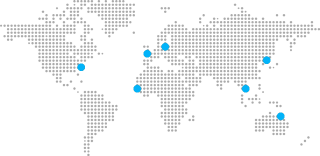
We Are Everywhere in India & Overseas.


GET IN TOUCH

Follow Our Activity

TO get an update about our daily activity just follow us and Join the Hands to Save Mother-Earth