water treatment plant Archives - Page 4 of 5 - Water Treatment Plants

waterjk-1280x853.jpg

The manufacturer is responsible for ensuring that the individual sewage treatment plant manufacturer meets the requirements of the local authority and the design office. They will also provide you with a guarantee for the system.

It is important to choose a reputable and experienced manufacturer who has experience in manufacturing individual sewage treatment plant manufacturer.

When choosing a manufacturer, it is also important to make sure that they have a good reputation and that their products are covered by a warranty. This will give you peace of mind in knowing that if something goes wrong with your system, you will be able to get it repaired or replaced free of charge.

Once you have chosen a manufacturer, they will provide you with a list of approved installers.

To summarize, the manufacturer must fulfill its warranty obligation. The warranty period may vary from one manufacturer to another and from one sanitation system to another. At Netsol Water Solution, we provide a warranty as well as we ensure that our treatment plant works efficiently all the time. This proves that you can rely on our products to work optimally for years to come.

Why should people opt for STP from Netsol?

Netsol  Top Most leading Sewage Treatment Plant Manufacturer in India. We have a team of highly skilled and experienced specialists that oversee all elements of quality so that the firm may satisfy the demands and expectations of its clients and consumers. Every drop of water is valuable to us; therefore, we employ world-class filters to cleanse it.

We are not only available to accept your call and discuss your options and questions, but we are also committed to guaranteeing that your sewage treatment is always trustworthy.

How does Sewage Treatment Plant Work?

Bar Screen

The Bar Screen’s job is to screen out any potential particles that could clog the pipes inside the STP in order to avoid blockages from occurring.

After a few weeks, all of these particles are removed as part of STP maintenance.

water treatment

An Equalization Tank

The main job of the equalization tank is to serve as a buffer. to position to the rest of the ETP at a stable (Average) flow rate and collect the incoming raw effluent that comes at highly variable rates. ETP is delivered at a high flow rate during peak hours with the aid of blowers. When there is no or very little incoming effluent during non-peak hours, the equalization tank stores this sewage and releases it. Filtered effluent is carried in the equalization tank’s inflow pipe to avoid clogging.

Aeration Tank

The Equalization Tank to Aeration Tank sewage is transferred using a sewage lifting pump.

Aeration is used as a pretreatment in the water treatment process to get rid of iron and hydrogen sulfide, which gives water a rotten egg odor. Iron and hydrogen sulfide are both effectively oxidized by air. It swiftly transforms ferrous iron that cannot be filtered into ferric iron that can be filtered, and it turns hydrogen sulfide to elemental sulfur, which can be readily removed from water by a filter. Air oxidizes substances very quickly—much more quickly than chlorine.

Tube settler tank.

Poly Aluminum Chloride (PAC) is transferred from the PAC tank into the Tube Settler Tank. PAC is a good coagulant with low sludge waste generation and high coagulant efficiency.

Tube settlers use numerous tubular channels that are close to one another and inclined at an inclination of 60 degrees to maximize the effective settling area. As a result, settling periods are shortened because the particle settling depth is substantially lower than that of a traditional clarifier.

The bigger floc is able to travel to the tank bottom in a more settleable state because tube settlers grab the settleable finefloc that escapes the clarifying zone beneath them. Solids are gathered in the tube settler’s channel into a tight mass, which encourages the solids to slide down the tube channel.

Immediate storage tank.

The chlorine dosing tank discharges chlorine into the nearby storage tank.

When chlorine is used to treat water, it helps to delay the activity of anaerobic sulfate-reducing substances and also helps to lessen odor-related annoyance. Also, while the germs are still in the immediate storage tank, chlorine aids in their destruction.

The Filter Feeds

The water is sent to the pressure sand filter by the filter feed pump.

Several layers of sand with different sizes and specific gravities make up the Pressure Sand Filter. These filters are made to remove turbidity and suspended particles from feed water with the least amount of pressure loss possible. After that, the water is sent to a carbon filter, which is the best at eliminating chlorine, sediment, volatile organic compounds (VOCs), taste, and odor from water. They are ineffective at eliminating dissolved inorganic chemicals, minerals, and salts (DOCs)

Carbon filters can typically filter out particles that are between 0.5 and 50 micrometers in size. The filter description will include the particle size. A carbon filter’s effectiveness is also dependent on how the flow rate is controlled. The pollutants are exposed to the filter media for a longer period of time when the water is permitted to pass through the filter at a slower rate.

Treated Water Tank

Depending on where the sewage treatment plant is located, this is the water’s eventual destination, where it will be dispersed for either home or industrial usage.

Finally, the sludge is transferred to the sludge holding tank.

Final disposal typically involves the use of the material as fertilizer on fields, deposition at waste disposal facilities, or incineration either internally or with an external partner, frequently as part of the production of electricity.

Conclusion

Netsol Water is a leading provider of Sewage Treatment Facilities, Waste Water Treatment Plants, and other water treatment plants. We have in-house operations and maintenance capabilities for operating water and sewage treatment systems, which we can include as part of a full design-build-operate package. All forms of chemicals, physical, and biological impurities are effectively removed by our water treatment systems.

As a result, if you want a high-quality Sewage Treatment Plant that is not only effective in water purification but also offers low-cost maintenance, easy installation, and a reasonable pricing, go to Netsol Water Solution’s website or call its customer service number to place your order.

To contact Netsol Water Solutions, call on +91 9650608473 or send an email to enquiry@netsolwater.com


Screenshot-11-1-1280x719.png

Reverse Osmosis (RO) technology is an effective method for water purification that is widely used in both commercial and domestic settings. RO technology utilizes a semipermeable membrane to remove contaminants and impurities from water, producing clean and safe drinking water. While both commercial and domestic RO plants use the same technology, there are significant differences in their design, capacity, maintenance, and cost. Understanding these differences is important for individuals and businesses seeking to select the right RO plant for their specific needs.

In this blog, we will explore the key differences between commercial and domestic RO plants, highlighting their unique features, applications, and benefits.

What really commercial and industrial RO plants are:

Commercial and industrial RO plants are large-scale water treatment systems designed to meet the water needs of various industries and commercial applications. These plants are typically designed to handle large volumes of water, ranging from hundreds to thousands of gallons per day, and are capable of treating water from a variety of sources, including groundwater, surface water, and wastewater.

Commercial and industrial RO plants are used in a wide range of industries, such as food and beverage production, pharmaceuticals, chemical manufacturing, and power generation. In these industries, purified water is often required for various processes, such as cleaning, mixing, and cooling, and must meet strict quality and safety standards. RO technology is an effective method for removing complex contaminants and impurities from water, making it a popular choice for industrial water treatment.

Commercial and industrial RO plants typically consist of several key components, including a pre-treatment system, a high-pressure pump, a membrane assembly, and a post-treatment system. The pre-treatment system is designed to remove large particles and sediments from the water before it enters the RO membrane assembly. The high-pressure pump then pressurizes the water and forces it through the RO membrane, where contaminants and impurities are removed. Finally, the post-treatment system is used to further refine the purified water, ensuring that it meets the required quality and safety standards.

Overall, commercial RO plants and industrial RO plants are essential for ensuring that various industries have access to clean and safe water for their operations. These plants play a critical role in meeting environmental regulations, reducing water waste, and promoting sustainable water use in various industries.

Why do commercial and domestic RO plants even come into existence:

Reverse Osmosis (RO) technology was developed in the mid-20th century as a method for desalinating seawater for military use. As technology advanced, RO became an increasingly popular method for water purification, especially in areas where access to clean and safe drinking water was limited.

In the commercial sector, RO plants were developed to meet the demands of various industries, such as food and beverage, pharmaceuticals, and chemical manufacturing. These industries require large volumes of purified water for their operations and must comply with strict environmental regulations. RO technology is an effective method for removing complex contaminants and pollutants from wastewater, making it a popular choice for industrial water treatment.

In the domestic sector, RO plants were developed to provide households with a reliable source of purified drinking water. In many areas, the quality of municipal water is poor, and access to clean and safe drinking water is limited. Domestic RO plants are designed to remove common contaminants found in household water, such as chlorine, bacteria, and sediments, providing households with a source of clean and safe drinking water.

Overall, RO technology and RO plants were developed to address the growing demand for clean and safe drinking water. As access to safe water becomes increasingly important, RO technology is expected to continue to play a significant role in water purification and treatment.

Where is the difference?

Capacity

The primary difference between commercial and domestic RO plants is their capacity. Commercial RO plants are designed to handle large volumes of water, while domestic RO plants are designed for household use and can handle smaller volumes of water.

Commercial RO plants are used in various industries, such as food and beverage, pharmaceutical, and chemical manufacturing. These industries require large volumes of purified water for their operations, and commercial RO plants are designed to meet these demands. Commercial RO plants can purify thousands of liters of water per hour, making them ideal for industrial use.

Domestic RO plants, on the other hand, are designed for household use and can typically purify around 10-20 liters of water per hour. Domestic RO plants are suitable for small families or individuals who require purified water for drinking and cooking purposes.

Complexity

Commercial RO plant are more complex than domestic RO plants. Commercial RO plants are designed to handle a wide range of contaminants and pollutants found in industrial wastewater. These contaminants can be more challenging to remove than those found in domestic wastewater. As a result, commercial RO plants require a more complex treatment process that includes multiple stages of purification.

Domestic RO plants, on the other hand, have a simpler design and are designed to remove contaminants commonly found in household water, such as chlorine, bacteria, and sediments. Domestic RO plants typically have a pre-filter, an RO membrane, and a post-filter.

Maintenance

Commercial RO plants require more maintenance than domestic RO plants. Commercial RO plants have a more complex design and require regular maintenance to ensure they are operating efficiently. Regular maintenance includes replacing filters, cleaning membranes, and checking for leaks.

Domestic RO plants, on the other hand, require less maintenance than commercial RO plants. Domestic RO plants typically have a lifespan of 2-3 years, after which the RO membrane and filters need to be replaced. However, regular cleaning and maintenance are still required to ensure the system is functioning properly.

Cost

Commercial RO plants are more expensive than domestic RO plants. Commercial RO plants require a more complex design, larger capacity, and more advanced technology, which increases their cost. Additionally, commercial RO plants require more maintenance, which adds to the overall cost.

Domestic RO plants are less expensive than commercial RO plants. Domestic RO plants have a simpler design, smaller capacity, and fewer components, which makes them more affordable. Additionally, the cost of maintenance for domestic RO plants is lower than that of commercial RO plant.

Applications

Commercial RO plant are used in various industries, such as food and beverage, pharmaceutical, and chemical manufacturing. These industries require large volumes of purified water for their operations, and commercial RO plants are designed to meet these demands. Commercial RO plants are also used in hospitals, hotels, and other commercial settings.

Domestic RO plants are used in households for drinking and cooking purposes. Domestic RO plants are also used in schools, small offices, and other small commercial settings.

Conclusion:

In conclusion, commercial and domestic RO plants differ in their capacity, complexity, maintenance, cost, and applications. Commercial RO plant are designed to handle large volumes of water and remove complex contaminants found in industrial wastewater. Domestic RO plants are designed for household use and remove common contaminants found in household water. Understanding these differences can help individuals and businesses select the right RO plant for their specific needs. It is essential to consider factors such as capacity, maintenance, and cost when selecting an RO plant to ensure that it meets the specific requirements and budget.

It is also important to note that both commercial and domestic RO plants play an important role in ensuring access to safe and clean water. Commercial RO plants help industries meet environmental regulations and reduce their impact on the environment, while domestic RO plants provide households with a reliable source of purified water. In both cases, RO technology is used to remove contaminants from water and make it safe for consumption.

Overall, the key differences between commercial and domestic RO plants are their capacity, complexity, maintenance, cost, and applications. While these differences may seem significant, both types of RO plants serve an important purpose in ensuring access to safe and clean water.

To get in touch with us and to relish the benefits of our services, call us at +91-9650608473 or send an email to enquiry@netsolwater.com


Screenshot-62.png

Wastewater produced by a range of production and processing procedures is known as industrial effluent. Industrial wastewater can contain a variety of different components, depending on the business. Along with other components like heavy metals, acids, and alkalis, organic molecules like oils, lipids, alcohols, and flavourings also interact with the water. Now we discuss about Waste Water Treatment Plant Energy Consumption.

Before being discharged to sewage treatment facilities for the general public, the environment, or internal reuse, this type of wastewater must first undergo pretreatment.

Let’s discuss in detail about the energy consumption of wastewater treatment plant.

The urban water system is now more dependent on energy for both transportation and treatment due to the increasing shortage of water. The availability of electricity may prevent metropolitan areas from becoming sustainable, leading to a shortage of water supplies and water pollution. Energy conservation, energy efficiency, and energy substitution have also become universal development principles due to growing climate concerns.

Techniques and data gathering

It has been noted that energy is used up during the treatment process in the forms of electrical, manual, chemical, and mechanical energy. Chemical energy is indirect energy, manual labour is renewable energy, while other types of energy are non-renewable. In terms of kWh/m3 of treated wastewater, each type of energy consumption is calculated.

Primary data have been gathered by field observation, and historical data have been verified through conversations with plant operators. For verification, logbooks and records of purchases and consumptions are also used.

Estimating the amount of electrical energy used

The electrical energy input is calculated by taking into account the total amount of wastewater that has been treated, the electrical load of the pump/motor (kW), and the number of hours (h) that the motor has been running (Eq. 1).

where P is the rated power of the electrical motor in kilo Watts (kW), T is the number of operating hours per day (h/day), and Q is the total flow of wastewater in m3/day. It is expected that the motor efficiency is 80%.

Energy estimation for the fuel

Using Equation 2, mechanical energy (Ef) is calculated in kWh/m3

where D is the quantity of diesel consumed in l/day and 15.64 is the unit energy value of diesel in kWh/l. Mostly, 5 litre of diesel per month are discovered to be consumed for lubricating and maintaining machinery.

Measuring chemical energy

Energy is the substance that is given off or taken in during a chemical process. By calculating the standard enthalpy (heat) of reaction (H) of the chemicals during a reaction, chemical energy can be computed.

Using Equation 3, chemical energy (Ec) is estimated in kWh/m3

Ec=n [ ∑ΔHp−∑ΔHr ] / Q × 0.000278

where n is the number of moles (mol/day), 0.000278 is the conversion factor from KJ to kWh, and Hp and Hr are the enthalpies (heat) of product and reactant production, respectively, in kJ/mol.

Conclusion

It has been projected that the complete treatment procedure will require 0.036 kWh/m3 of fuel energy (diesel). As a result, 1.07 kWh/m3 of treated wastewater is used in total. Compared to the value obtained in a WWTP, which was reported to be 1.69 kWh/m3 omitting manual energy, it is significantly less. Numerous research has solely taken into account electrical energy; hence their findings do not fully represent the energy picture of a treatment process. The amount of electrical energy needed for waste water treatment plants is found to be 0.80 kWh/m3.

In terms of energy planning, there are some conclusions that are important. First, of all the energy types used in the treatment process, electrical energy accounts for the largest share (52%) of total energy consumption. Only roughly half of the total energy use comes from this, though. As a result, other types of energy should be taken into account throughout the energy benchmarking process.

For any other support, inquiries, or product purchases, call on +91-9650608473 or email at enquiry@netsolwater.com

Screenshot-63-1280x671.png

Water is a necessary resource that is used at practically every stage of the production of pharmaceuticals and intermediate chemicals. When making or formulating medications, the pharmaceutical sector produces a lot of waste water. Therefore, it is crucial to turn waste water treatment into clean water. Now we can talk about the roal of Effluent Treatment Plant For The Pharmaceutical Industry.

Such waste water is removed using technology from effluent treatment plants. Utilizing technology for water purification, solids are taken out of liquids. The impure materials may be coarse, suspended, colloidal, or dissolved, and during purification, and must be eliminated by effluent treatment in sequence.

The pharmaceutical manufacturing facility uses a number of wastewater treatment techniques, including as reverse osmosis, multimedia/carbon filtering, evaporation, and aerobic/anaerobic treatment. To meet regulatory standards or prevent the problem of water scarcity, these techniques treat, recycle, reuse, or release the water into the environment.

Let’s discuss about the effluent treatment plant for the pharmaceutical industry, in detail.

Various chemicals, solvents, and other dangerous materials are found in the trash discharged from pharmaceutical enterprises and medication manufacturing facilities. Technologies that minimise Chemical Oxygen Demand (COD), Biological Oxygen Demand (BOD), Total Suspended Solids (TSS), and Total Dissolved Soils (TDS) in the pharmaceutical effluent include aerobic/anaerobic treatment, membrane filtration, and reverse osmosis.

The diverse procedures and technology that the industries use, affect how water is treated in the pharmaceutical sector. The procedure for the treatment is as follows:

  1. Initial Treatment: Floating particles are removed from the wastewater by passing it through a bar screen chamber. The collection tank is then used to store the water.
  2. Aeration: For a day, an air blower is used to aerate the collected water. After the aeration process, the water is moved to the neutralisation tank.
  3. Neutralization: The pH of the wastewater is brought to a range of 6-7 in the neutralisation tank.
  4. Flocculation and Coagulation: To flocculate the suspended particles, the flocculating agent, commonly alum, is added to the effluent. In order to coagulate the flock of suspended elements at the tank’s bottom in the form of sludge, polyelectrolyte solution is also added. The suspended material in the effluent determines the solution’s concentration. The bioreactor tank is where the wastewater is then conveyed.
  5. Biological degradation: For the appropriate growth of the bacteria that break down the organic matter in the effluent, nutrients are given to the bioreactor tank. The water is filtered using an activated carbon filter after the sludge is separated from the settling tank.
  6. Filtration: To remove colouring agents, the treated effluent is run through an activated carbon filter.
  7. Recycle with great effectiveness: The last phase in a process that requires water recovery is a reverse osmosis system.

Conclusion

Netsol Water provides the best wastewater treatment in India, with its numerous installations in the pharmaceutical sector. We are aware of the demands and the characteristics of the effluent that the sector produces. We therefore created a water treatment system that is unique to each need.

For the greatest technologies and solutions for specialised industries like pharmaceuticals and many others, you can rely on us. We provide first-rate effluent treatment and recycling technology that changes to meet our customers’ changing needs.

For any other support, inquiries, or product purchases, call on +91-9650608473 or email at enquiry@netsolwater.com

Netsol Water

Headquarter

Plot No. 164,

Udyog Vihar Extension,

Surajpur, Greater Noida,

Uttar Pradesh 201306
+ 91-9650608473

www.netsolwater.com

info@netsolwater.com

LOCATIONS

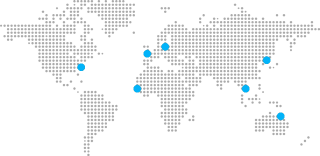
We Are Everywhere in India & Overseas.


GET IN TOUCH

Follow Our Activity

TO get an update about our daily activity just follow us and Join the Hands to Save Mother-Earth