STP plant Archives - Water Treatment Plants

Common-Mistakes-in-STP-Installation-and-How-to-Avoid-Them.webp

Common Mistakes in STP Installation and How to Avoid Them

Common Mistakes in STP Installation matter for every project that handles wastewater. A wrong decision can raise costs and cause system downtime. In this blog, we will show the main errors that happen during STP installation and how teams can prevent them. Netsol Water is the leading supplier that installs plants across many cities.

Site Survey and Plant Sizing Errors

Site survey and correct sizing form the base for a long lasting STP. If teams skip a careful survey they risk building a plant that cannot handle real flows. A correct survey saves money on later fixes and helps the plant meet discharge rules. Let us have a look on some common failings and how to fix them.

Underestimating Wastewater Load

Many teams estimate flow using ideal numbers instead of real data. They use design values that do not match peak loads. This error causes frequent overflow and stress on biological processes. To avoid this use measured flow data for at least one month. If you cannot get long term data then gather samples at different hours and on weekdays and weekends. Include seasonal shifts in water use. Also include any future expansion plans in the load calculation. Calibrate the biological design using real BOD and TSS numbers. Use safety margins that are realistic and not extreme. By sizing the plant to measured peaks you avoid overworking aeration units and you keep the sludge handling system stable. Proper sizing reduces the need for later retrofits. It also lowers power bills by preventing constant overloads.

Ignoring Soil and Drainage Conditions

Teams often focus only on civil work inside the plant area. They miss soil load capacity and ground water behavior. A weak site can cause settling of tanks or damage to pipelines. To prevent this hire a geotechnical expert before final design. Test soil bearing strength and check for high water table zones. Design tank foundations to match the soil type. Plan storm water routes so rain does not enter the plant or reduce hydraulic retention. Make sure access roads support heavy equipment during maintenance. If the site sits in a flood prone zone raise critical assets above flood level. When teams plan for soil and drainage the plant stays stable and the piping keeps its slope for good flow.

Equipment Selection Commissioning and Maintenance Failures

Many projects buy parts that look cheaper but fail within months. Others skip full testing and hand over a plant that does not work as promised. Good commissioning and a clear maintenance plan prevent breakdowns and keep performance steady. Let us have a look on common mistakes and practical fixes.

Wrong Component Choices and Poor Integration

Contractors sometimes pick pumps, blowers and control panels without checking the full system match. They buy items that do not fit the hydraulic profile or the control logic. This causes frequent faults and uneven treatment. To avoid this follow a systems view. Match pumps to the required head and flow and select blowers with the right range for aeration control. Ensure sensors and PLC inputs match the control architecture. Check spare parts lead times for the chosen brands. Include site tests for key items before final purchase. Ask the supplier to provide wiring diagrams and start up support. When components match the system the plant uses less power and needs fewer repairs. Proper integration also lowers operator training time.

Skipping Proper Commissioning and Maintenance Plans

Some teams finish construction and then hand over the plant with minimal testing. Others do an initial run but stop before stable biological performance appears. This gap causes poor effluent quality and repeated visits from service teams. To avoid this plan a staged commissioning schedule that runs long enough for microbes to adapt. Include seed sludge and follow a ramp up plan for organic load. Conduct performance tests under real flow conditions and record results. Train operators during the commissioning phase and give them a written maintenance schedule. The plan should list daily weekly and monthly checks and show acceptable ranges for key parameters. Also set up a spare parts list and a quick support channel with the supplier. A clear maintenance plan cuts emergency fixes and keeps compliance with discharge norms.

Conclusion

Common Mistakes in STP Installation can cost time, money and reputation. A solid site survey, correct sizing, careful equipment selection, full commissioning and a simple maintenance plan solve most problems. Netsol Water is the leading partner that can guide you from survey to handover. If you want a site review or a detailed checklist contact us for a consultation. Get in touch with Sewage Treatment Plant Manufacturer

Contact Netsol Water at:

Phone: +91-9650608473

Email: enquiry@netsolwater.com

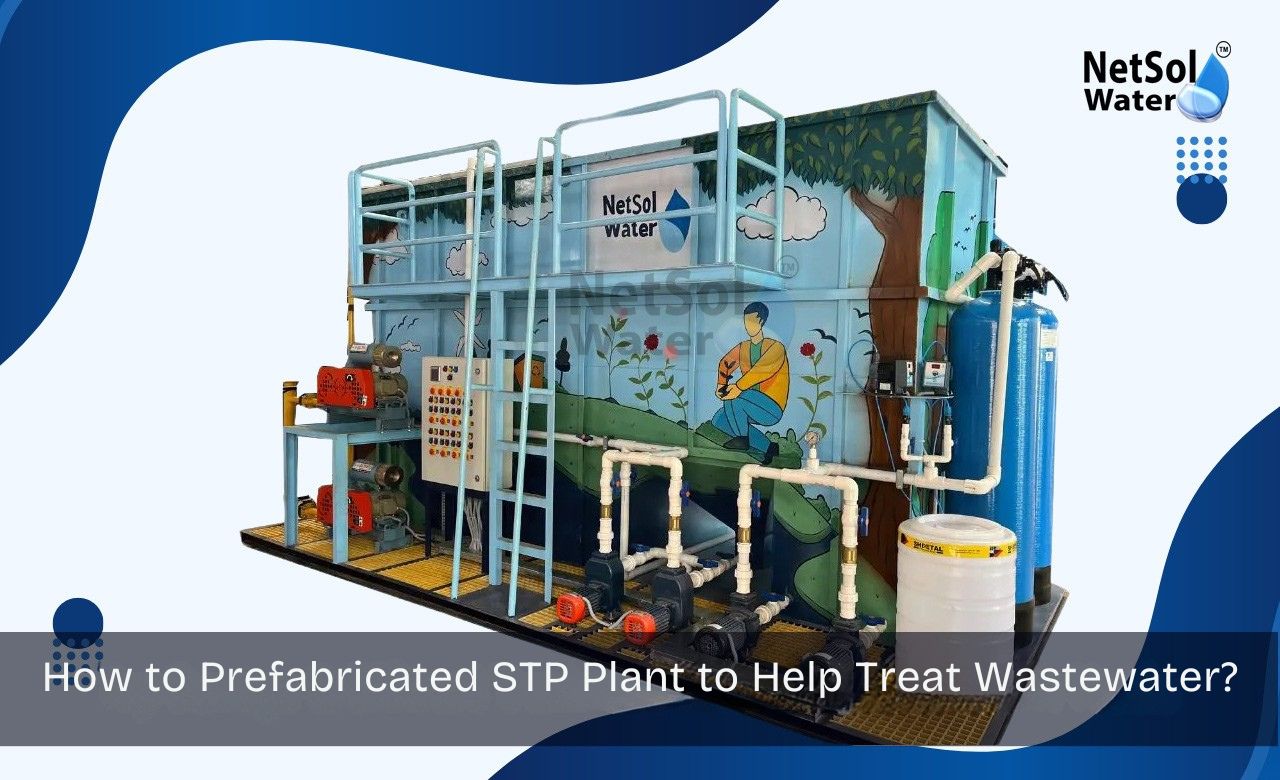
How-to-Prefabricated-STP-Plant-to-Help-Treat-Wastewater.jpg

How to Prefabricated STP Plant to Help Treat Wastewater?

Wastewater from homes, offices and factories can harm rivers, soil and public health when we do not treat it well. Cities grow fast and demand for water rises with each year. A Prefabricated STP Plant gives a way to treat sewage near the source and to reuse water where rules allow. Netsol Water is the leading name that designs and supplies these plants across India.

What Is a Prefabricated STP Plant

A Prefabricated Sewage Treatment Plant is a sewage treatment unit that a factory builds and then ships to the site for assembly. The modules arrive ready with tanks pumps blowers and control panels. Teams place the units on site and connect them to the building drains and to power. This reduces work on site and shortens the time from purchase to operation. A factory based build also helps maintain uniform quality across parts and components.

Let us have a look on some key elements and how they join to make the plant work. The system starts with a screen that stops large solid items from entering the plant. The next element is a primary chamber where heavy particles settle by gravity. Water then flows into a biological reactor where microbes break down organic matter. Engineers pick an aerobic design when they want faster cleaning and an anaerobic design when they target lower energy use. The treated stream moves to a secondary clarifier that removes microbial biomass and remaining solids. Final steps include disinfection and any polishing needed to meet local rules. Sludge that forms during these steps goes into a sludge handling module for storage and safe removal.

Why Prefabricated STP Plant Matters for Wastewater Treatment

The modular approach also reduces the footprint and allows installation in sites where land is limited. Urban campuses and commercial plazas often have tight space and a compact plant fits better than large tanks on open land.

Let us have a look on how the plant supports public health and environment. Untreated sewage harms rivers and groundwater and it can carry disease. Treating wastewater at source lowers pollution and cuts the load on municipal systems. A Prefabricated STP Plant can produce water that meets reuse standards for flushing, gardening and cooling where rules permit. This lowers fresh water demand and it saves cost over time. Factory based manufacturing brings control over materials and assembly which improves reliability. The result is steady treated water quality day after day.

How Prefabricated STP Plant Works to Treat Wastewater

Knowing the process helps you plan operation and maintenance and it helps staff handle day to day checks. First the system screens out large debris to protect pumps and downstream units. Next heavy solids settle in a primary chamber and oils float to the surface. The clarified stream then goes to the biological stage where microbes digest organic waste and lower chemical and biological oxygen demand. Many prefabricated designs use a mix of processes to balance energy use and removal efficiency.

Let us have a look on final stages that ensure safe output. After the biological reactor the water moves to a secondary clarifier that removes remaining solids and microbes. The clarified effluent then gets disinfected with UV light or a safe dosing method so germs no longer pose a risk. If the site needs reuse water the plant can add polishing steps that remove nutrients and fine particles. Sludge that accumulates goes through dewatering and storage so crews can remove it safely. Netsol Water matches each plant layout to local rules and to the planned reuse so the output meets the required limits.

Where Prefabricated STP Plant Serves Best

Housing societies use these units to treat daily sewage within their campus. Offices, malls and hotels install compact units to manage washroom and kitchen wastewater. Factories choose custom modules when they need to treat process water and to meet discharge rules. Remote sites construction camps and seasonal venues use modular plants as a temporary but effective solution.

Let us have a look on site fit and delivery benefits. The modular design allows placement in basements, rooftops or small open plots. Teams can finish installation in weeks which keeps project timelines tight. Netsol Water provides training and service so operators can manage the plant and keep it reliable. The compact build also makes future expansion easier when flow increases.

Conclusion

Prefabricated STP Plant offers a fast and reliable way to treat sewage and to save water across homes, offices, hotels and industry. The system reduces site work and delivers steady treatment that supports reuse and safe discharge. If you want to explore how this system suits your site contact Netsol Water for a consultation and a site survey. Reach out to learn more and to get a personalized proposal for your project.

Contact Netsol Water at:

Phone: +91-9650608473

Email: enquiry@netsolwater.com

Learn About Sewage Treatment Plant Manufacturer

How-Sewage-Treatment-Plants-in-Noida-Improve-the-Environment.png

How Sewage Treatment Plants in Noida Improve the Environment

Noida is known as a modern city filled with tech hubs and residential zones. It draws people from different regions to live and work. As its streets expand and towers rise it must handle the waste it creates. Sewage treatment plants play a key role in this task. They keep rivers and lakes clean for all to enjoy. They protect soil from harmful substances that can harm plants and animals. Netsol Water is the leading Sewage Treatment Plant Manufacturer in Noida and  brings solutions that fit the needs of a growing city. It builds systems that treat wastewater and return it safely to the environment. These systems help Noida stay green and healthy for future generations.

Role of STPs in Protecting Water Bodies

Every drop of treated water helps rivers stay clear and healthy. Sewage treatment plants remove solid matter and harmful chemicals before water flows back into streams. Let us have a look on some key processes.

Primary Treatment

This stage traps larger solids and grit. The water flows into a tank where heavy particles settle to the bottom. Workers then remove this sediment so it does not reach rivers.

Secondary Treatment

In this step bacteria break down organic matter. The water moves through aeration tanks where microbes feed on waste. They leave the water much cleaner and safe for wildlife.

RO Plant Integration

A final pass through a RO Plant removes salts and tiny particles. It makes the treated water pure enough for reuse or safe release. Each step links to the next to ensure water bodies in Noida stay free of pollution.

Contribution to Public Health

Clean water protects people from illness and supports daily life. Sewage treatment plants cut the risk of waterborne diseases. Let us have a look on some outcomes.

Reducing Pathogens

Effective treatment kills harmful bacteria and viruses. It reduces the chance of outbreaks that can harm families.

Preventing Waterborne Diseases

By removing toxins and germs the system stops cholera, typhoid and diarrhoea. It keeps communities safe and lowers health costs.

These measures work together to shield Noida residents from common water risks.

Support for Urban Green Spaces

Green spaces need clean water to thrive and to serve as cool resting spots. Treated water helps parks stay lush and vibrant. Let us have a look on some uses.

Irrigation of Parks

Treated water flows through pipes to garden beds and lawns. It nurtures plants without tapping fresh sources.

Maintenance of Urban Lakes

This water keeps small lakes full and clear. It attracts birds and creates a calm retreat for citizens.

These efforts give Noida a natural touch despite its fast pace.

Benefits for Industrial Sustainability

Industries demand water for production and cleaning. Reusing treated water lowers their impact on rivers and aquifers. Let us have a look on some advantages.

Effluent Recycling

Companies can feed treated water back into machines. It cuts the need for fresh water and trims costs.

Resource Conservation

Less fresh water means more reserves for other city needs. It makes production more efficient and eco friendly.

These gains boost both profits and green goals for Noida industries.

Driving Community Growth

Building and running treatment plants creates jobs and skills in the local area. This work strengthens the city’s economy and talent pool. Let us have a look on some impacts.

Job Creation

Engineers, technicians and field staff find new roles in system operation. They earn steady wages and secure livelihoods.

Skill Development

Training programs teach staff to manage and maintain complex systems. These skills stay with workers and benefit other projects.

Together these effects lift living standards and support Noida’s growth.

Conclusion

Clean water sustains life and supports every part of a modern city. Sewage Treatment Plant Manufacturer in Noida brings technology and expertise to protect the environment. When communities invest in treatment systems, they secure a healthier future. Reach out today to learn more or to request a consultation with the top experts in sewage treatment solutions.

Contact Netsol Water at:

Phone: +91-9650608473

Email: enquiry@netsolwater.com

Top-10-Sewage-Treatment-Plant-Manufacturers-in-Noida.webp

Top 10 Sewage Treatment Plant Manufacturers in Noida

Noida, situated in Uttar Pradesh, has large IT and manufacturing enterprises, displaying its commercial and industrial power. The fast urban growth and expanding population have generated enormous wastewater management difficulties. Sewage treatment plants play a significant role in resolving these concerns, providing safe water discharge and reuse. We will discuss the top 10 sewage treatment plant manufacturers in Noida.

1. Netsol Water

Overview:
Netsol Water has earned a reputation for delivering high-quality STPs, WTPs, and Commercial RO Plants. Known for innovative designs and reliable service, the company serves residential, commercial, and industrial clients.

Offerings:

  • Modular and conventional STPs for housing societies and industrial parks

  • Commercial RO plants for offices, hotels, and institutions

  • Automated water treatment systems for easy operation

Support Services:
Netsol Water provides staff training, preventive maintenance, and quick on-site repairs to ensure smooth operations.

2. Sewage Treatment Plants

Overview:
Sewage Treatment Plants focuses on efficient and sustainable wastewater solutions for a variety of clients, including residential complexes, commercial buildings, and industrial setups.

Key Solutions:

  • High-efficiency STPs with bio-reactors and membrane technologies

  • Modular units for easy installation and scalability

  • Automation for reduced manual intervention

Client Support:
From installation to operator training and regular maintenance, Sewage Treatment Plants ensures long-term operational reliability.

3. Commercial RO Plant

Overview:
Commercial RO Plant specializes in providing large-scale purified water solutions. Their systems are designed for high-volume use in industries, hospitals, hotels, and offices.

Features:

  • RO systems capable of removing dissolved salts, impurities, and chemicals

  • Energy-efficient and low-maintenance designs

  • Fully automated operations with monitoring capabilities

Support Services:
Installation, commissioning, and ongoing maintenance support to guarantee consistent water quality.

4. Water Treatment Plants

Overview:
Water Treatment Plants is a trusted name for safe, reliable, and efficient water supply solutions across India. They cater to municipal, industrial, and residential sectors.

Offerings:

  • Municipal water treatment plants

  • Industrial water purification systems

  • Filtration and reverse osmosis solutions

Support Services:
Operator training, performance monitoring, and on-site maintenance ensure compliance with quality standards.

5. Commercial RO Plant Manufacturers

Overview:
This company focuses on manufacturing high-performance RO plants for commercial and industrial use.

Features:

  • Custom-designed systems based on water source and consumption

  • Advanced membranes and energy-efficient pumps

  • Automated controls for hassle-free operations

Support Services:
Full installation, commissioning, and maintenance contracts help clients maintain reliable water supply.

6. Thermax

Overview:
Thermax is a leading Indian industrial company providing water and wastewater treatment solutions for a wide range of sectors.

Key Solutions:

  • STPs, WTPs, and commercial RO plants for industrial applications

  • Custom solutions for chemical, textile, and food-processing industries

  • High-efficiency and space-optimized designs

Support Services:
On-site engineers, performance monitoring, and comprehensive operator training ensure effective plant operation.

7. Wabag

Overview:
Wabag is an international water solutions company with extensive experience in municipal and industrial wastewater projects.

Key Solutions:

  • Large-scale STPs and water treatment plants

  • Industrial effluent treatment and reuse systems

  • Sustainable and energy-efficient solutions

Support Services:
Maintenance, monitoring, and technical support ensure high-quality performance.

8. Veolia

Overview:
Veolia Water Solutions combines global expertise with local knowledge to deliver advanced water and wastewater treatment projects.

Key Solutions:

  • Tailor-made STPs and WTPs

  • Industrial water treatment systems with digital monitoring

  • Energy-efficient and environmentally friendly designs

Support Services:
Tiered maintenance plans, operator training, and digital monitoring for optimized operations.

9. Urban STP Plant

Overview:
Urban STP Plant specializes in sewage treatment systems for high-density urban areas, combining compact design with high efficiency.

Key Solutions:

  • STPs for residential complexes and commercial buildings

  • Automated systems for minimal supervision

  • Energy-efficient and space-saving designs

Support Services:
On-site training, preventive maintenance, and rapid service support for uninterrupted operations.

10. Sewage Doctor

Overview:
Sewage Doctor focuses on modular and containerized STPs, offering quick deployment and scalable solutions for various applications.

Key Solutions:

  • Hospitals, housing societies, and commercial facilities

  • Green technology with minimal chemical use

  • Easy-to-monitor and energy-efficient systems

Support Services:
Workshops, online demos, and maintenance support ensure smooth operations and trained staff.

Technologies Used in Modern STPs

Suffolk sewage treatment plant Manufacturers of today are using state-of-the-art products and tertiary technologies for growing performance and sections in the industrial wastewater industry:

MBBR (Moving Bed Biofilm Reactor) – Enhanced biological treatment, smaller footprint.

MBR (Membrane Bioreactor) – provides high quality, treated water for potential recycling.

SBR (Sequence Batch Reactor) – Suitable for varying load changes.

FAB (Fluidized Aerobic Bio-reactor) – Small and energy-efficient for light duties.

These advancements have resulted in today’s STPs being smaller, cheaper and environmentally sustainable.

These innovations make modern STPs more compact, cost-effective, and sustainable.

How to Choose the Right Sewage Treatment Plant Manufacturer

Before selecting an STP manufacturer, consider these key factors:

Technology & Efficiency: Make sure the company provides leading-edge, energy-efficient products.

Compliance: STP shall meet CPCB & local effluent standards.

Capacity and scalability: Select system to meet present requirements, yet expandable.

Maintenance & Post Sales Support: Robust after sales service for enduring performance.

Cost: Look at the total lifecycle, not just initial cost.

Conclusion

Noida’s continual expansion necessitates effective sewage treatment technology capable of controlling rising wastewater volumes. The top 10 sewage treatment plant manufacturers in Noida mentioned above efficiently solve the city’s particular wastewater management concerns. Each producer contributes unique ways to sewage treatment, ranging from energy-efficient designs to modular solutions and sustainable practices. The selection of a suitable STP manufacturer plays a significant role in delivering effective and long-lasting wastewater treatment programs. Clients may make decisions by analyzing different options, talking with company representatives, and researching each manufacturer’s performance history.
Do you need advice or assistance in selecting the best water and wastewater treatment unit? We have solutions for all your problems!
Let us know your problem; our experts will make sure that it goes away.
For assistance or queries :
Call on +91-965-060-8473
Or write us at enquiry@netsolwater.com

Netsol Water

Headquarter

Plot No. 164,

Udyog Vihar Extension,

Surajpur, Greater Noida,

Uttar Pradesh 201306
+ 91-9650608473

www.netsolwater.com

info@netsolwater.com

LOCATIONS

We Are Everywhere in India & Overseas.


GET IN TOUCH

Follow Our Activity

TO get an update about our daily activity just follow us and Join the Hands to Save Mother-Earth