effluent treatment plant manufacturer Archives - Water Treatment Plants

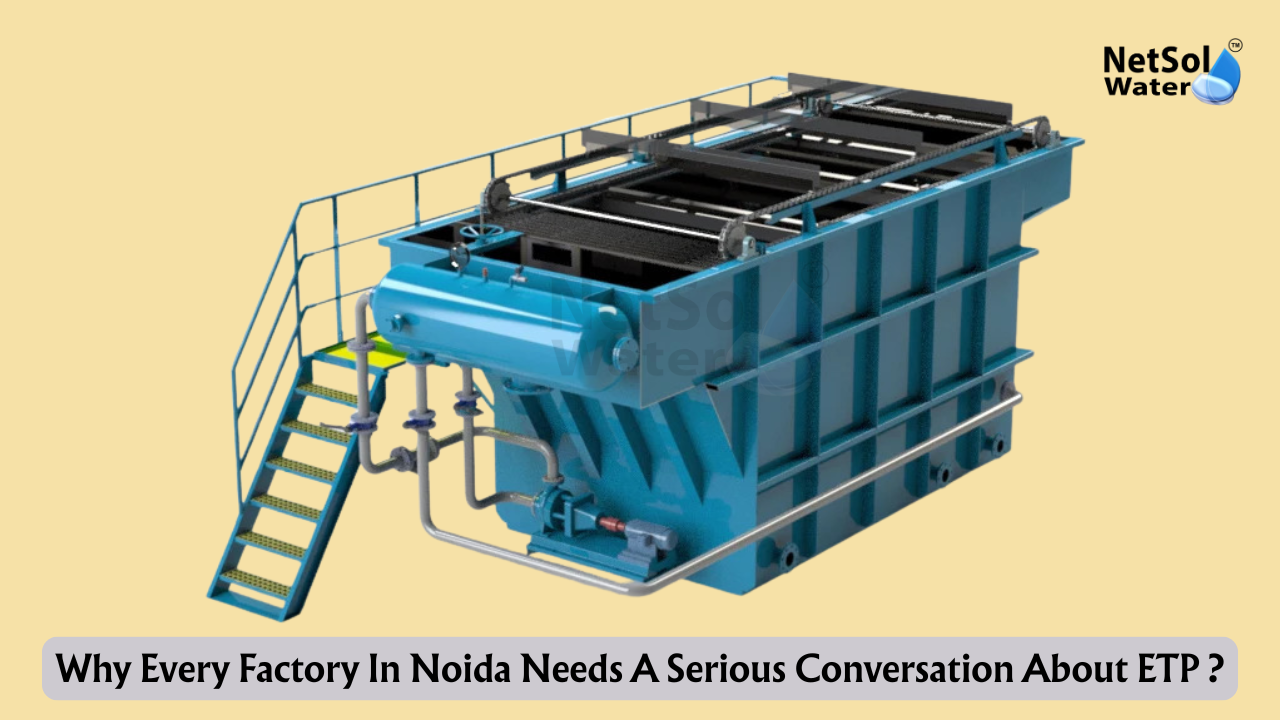
Why Every Factory In Noida Needs A Serious Conversation About ETP

Drive through the industrial sectors of Noida and you’ll see it everywhere. Pharma units, electronics assembly lines, food processing plants, garment dyeing units, all crammed into the same stretch of land, all pumping out wastewater that has to go somewhere. The real question is whether that water gets treated properly, or just slides into a drain that ends up in the Yamuna. In this blog we will discuss about the why every factory in Noida needs a serious conversation about ETP.

That’s not some far off worry. Noida’s industrial clusters span pharma, electronics, garments, and food processing, and when wastewater from these units isn’t treated, it contaminates rivers, groundwater, and soil. That’s not good for anyone living nearby, and it’s definitely not good for the ecosystem. So if you’re running a factory here, or thinking about setting one up, finding the right effluent treatment plant manufacturer in Noida isn’t just another item on a checklist. It’s genuinely the line between operating legally and getting a shutdown notice taped to your gate.

Let’s walk through what an ETP actually does, why Noida units in particular can’t afford to treat this casually, what it realistically costs, and how you pick a manufacturer who sticks around after the installation truck leaves.

What An Effluent Treatment Plant Actually Does

At its core, an effluent treatment plant treats the wastewater coming out of your industrial process before it goes anywhere near a drain or river. And this isn’t like the water going down your kitchen sink at home. Depending on what your factory makes, it could be carrying chemicals, heavy metals, oils, dyes, detergents, all sorts of things you really don’t want ending up in someone’s groundwater.

Breaking Down The Treatment Stages

Most ETPs work through three stages, and each one handles a different part of the job:

  • Physical treatment screens out solids and skims off oils and grease
  • Chemical treatment fixes the pH and pulls out heavy metals through coagulation and flocculation
  • Biological treatment uses microorganisms to break down organic matter, which is where BOD and COD actually come down to safe levels

Why This Isn’t Optional For Industries

Here’s the thing though, an ETP isn’t some nice to have sustainability gesture. It’s the law. CPCB and the Uttar Pradesh Pollution Control Board require industries to treat wastewater before discharge, full stop. Skip this and you’re not just risking your reputation, you’re risking your license to operate.

The Regulatory Reality For Noida Industries

Run a unit in Noida or Greater Noida and you’re not answering to just one authority. You’ve got CPCB setting the baseline nationally, and UPPCB enforcing it right there on your doorstep.

How UPPCB Classifies Industries

UPPCB sorts industries into Red, Orange, Green, and White categories based on how much pollution they’re likely to cause, and each category gets watched differently. A red category unit, say chemical or pharma manufacturing, is going to face way more scrutiny than a green category electronics assembly line. Knowing which bucket you fall into actually changes what kind of ETP setup you need and how often someone’s going to show up to check on you.

Consent To Establish And Consent To Operate

Before you even think about starting production, you need clearance. UPPCB hands out two approvals that matter here, Consent to Establish and Consent to Operate, and getting these sorted is just part of doing business in Uttar Pradesh. No functioning ETP, no approval. It’s really that simple, and no amount of paperwork gets around it.

What Happens When Units Skip This Step

This isn’t hypothetical scare mongering either. Enforcement in the NCR region has been very real. In one crackdown alone, a state pollution board issued notices to 220 industrial units, metal factories, food and beverage manufacturers, even hospitals and hotels, all for letting untreated effluent flow into a drain feeding the Yamuna. And here’s the part that should really worry you, some of those units actually had ETPs installed. They just weren’t switched on. A number of those treatment plants were sitting there non operational while untreated waste kept flowing straight through the sewage system. So owning an ETP and actually running one properly are two very different things, and that gap is exactly where businesses get caught out.

National Standards Are Getting Tighter, Not Looser

If your plan is to install an ETP once and never think about it again, that’s not going to age well. CPCB has been tightening effluent discharge standards, largely because decades of industrial pollution pushed India’s water bodies past what’s acceptable, and state boards now have real time monitoring and much stronger enforcement muscle behind them. The era of getting away with occasional compliance is basically done. Your ETP needs to perform consistently, every single day, not just on the day an inspector happens to walk in.

Choosing The Right Technology For Your ETP

Not every factory needs the same setup, and honestly, treating them the same is where a lot of businesses go wrong. A garment dyeing unit and a pharma plant are dealing with completely different pollutants, so the technology has to actually fit.

Comparing Common ETP Technologies

Here’s a quick side by side to make sense of what’s out there.

Technology

Best Suited For

Key Advantage

Watch Out For

SBR (Sequencing Batch Reactor) Small to mid sized units with fluctuating flow Compact footprint, flexible operation Needs skilled operation for consistent results
MBBR (Moving Bed Biofilm Reactor) Units needing high organic load removal Handles load variation well, low sludge Higher upfront equipment cost
MBR (Membrane Bioreactor) Pharma, food processing, high reuse needs Excellent effluent quality, enables water reuse Membrane fouling needs regular maintenance
Conventional Activated Sludge Larger, stable flow industrial units Well established, easier to troubleshoot Larger land footprint needed

Matching Technology To Industry Type

A pharma unit dealing with acidic, high COD effluent isn’t going to work with the same combination as a food processing plant that’s mostly dealing with organic load and grease. That’s why you want a manufacturer who actually bothers to study your effluent before quoting you anything, rather than one who just hands you a standard package and calls it a day.

Planning Your Budget For An ETP

Cost is usually the first thing people ask about, and fair enough. The honest answer is it depends a lot on your capacity, what’s actually in your effluent, and which technology you go with. What follows are planning ranges, not fixed quotes, because your actual number will shift based on your site and your discharge requirements.

1) Small units treating under 50 KLD usually start in the lower lakhs, climbing with how automated you want things

2) Mid sized units in the 100 to 500 KLD range tend to land in the tens of lakhs, largely driven by tankage, membranes if used, and instrumentation

3) Larger complexes above 500 KLD often need custom engineering, with costs depending heavily on pollutant load and whether zero liquid discharge is part of the design

And don’t just look at the upfront number either. Power, chemical dosing, sludge disposal, manpower, all of that adds up over time. A cheap Effluent Treatment Plant that eats power and chemicals can quietly cost you more over five years than a slightly pricier one that’s actually engineered well.

What Actually Separates A Good Manufacturer From A Risky One

This is honestly where a lot of businesses trip up. They compare quotes side by side without ever asking what’s actually behind those numbers.

1) Look Beyond The Price Tag

The manufacturer with the lowest quote on paper is often cutting corners somewhere, whether that’s equipment quality or skipping a proper effluent characterization study. That shows up later as breakdowns, compliance notices, or an ETP that simply can’t keep up once your factory is running full tilt.

2) Ask About After Installation Support

Installing the plant is honestly only half the job. What matters more is whether the manufacturer sticks around for commissioning, trains your operators properly, and answers the phone when something goes wrong. An ETP that keeps breaking down and takes weeks to fix isn’t saving you money, it’s just a slow moving liability.

3) Check Their Track Record With Similar Industries

Someone who’s built ETPs for pharma units gets acidic effluent handling. Someone who’s worked with food processing plants gets grease and organic load. Ask for references from businesses that look like yours, not just a generic list of past projects.

4) The Real Takeaway

Setting up an effluent treatment plant in Noida isn’t really about checking a compliance box and moving on. It’s about keeping your business away from shutdown notices, protecting the groundwater your neighbors actually rely on, and yes, saving money long term through water reuse and lower operating costs. The rules aren’t loosening up anytime soon, and the units that treat their ETP as an afterthought tend to be the ones making headlines for all the wrong reasons.

Find a manufacturer who actually understands your industry’s effluent profile, designs for your real capacity instead of a cookie cutter template, and stays in the picture after installation. That’s what separates an ETP that just sits there from one that keeps your factory compliant year after year.

Why Commercial RO Plant Is The Right Manufacturer For Your ETP In Noida

If you want an effluent treatment plant manufacturer in Noida who isn’t going to vanish the moment installation wraps up, Commercial RO Plant is worth talking to. They’ve spent years building ETPs across pharma, food processing, textiles, and electronics manufacturing, and that range matters because it means they’re not trying to force every client into the same box.

What really sets them apart is how they start. They actually look at your effluent characteristics, check what CPCB and UPPCB require for your specific discharge, and factor in your budget before ever suggesting whether SBR, MBBR, MBR, or a conventional setup makes sense for you. From there they handle design, installation, commissioning, operator training, and ongoing AMC support, so you’re not left figuring things out on your own six months later when something inevitably needs attention.

If you’re in Noida trying to stay compliant, cut down on freshwater use through treated water reuse, and steer clear of the kind of enforcement action that’s become pretty common across the NCR lately, Commercial RO Plant brings the kind of engineering depth and local know how that gets it right from the start. Whether you’re setting up a new unit or replacing an old, tired ETP, it’s worth getting them in for a site visit before you sign with anyone else.

Who-is-the-top-ETP-Plant-manufacturers-in-Delhi-NCR-1.jpg

Who is the top ETP Plant manufacturers in Delhi NCR

Delhi NCR has many industries that need reliable wastewater solutions. ETP Plant manufacturers have an important role in keeping local water safe and meeting legal rules. Netsol Water is the top ETP Plant manufacturers in Delhi NCR and they bring lot of experience to clients in this region. In this blog, we will explain why choosing the right manufacturer matters.

Why Choose Netsol Water as the Leading ETP Plant manufacturers in Delhi NCR

Choosing a strong partner reduces downtime and ensures consistent performance. Good design reduces energy use and lowers running costs. Skilled support teams keep plants working and they help staff learn to operate the system. Let us have a look on some main factors that set Netsol Water apart and what each factor means for your site.

Experience and Technical Skill

Netsol Water has years of direct work in wastewater treatment. They design plants for many industries such as food, textile and chemicals. Their team studies the effluent in detail and then sets a design that meets the set discharge limits. This hands on approach reduces surprises during start up and helps plants meet lab targets quickly. They use tested treatment steps that include primary settling, biological treatment and final polishing. Each step has clear goals for removing solids organic load and harmful chemicals. Netsol Water also trains the site team in daily checks and simple fixes. This training helps operators spot issues early and act fast. The result is steady plant performance lower chemical cost and fewer breakdowns. Their reports and checks help managers show compliance during inspections. For factories that want certainty and smooth operation Netsol Water shows solid results across projects.

Custom Design and After Sales Support

Netsol Water examines the exact effluent flow and pollutant levels before making a plan. They then design vessels piping and control logic to match the budget and space. This custom step keeps the plant compact and easier to operate. Netsol Water also offers regular maintenance contracts and spare part supply. Their service teams visit sites for preventive checks and tuning. They also help with calibration of sensors and test equipment. When a problem arises their team offers remote support and quick site visits. This reduces downtime and keeps the plant within permit limits. Clients also receive clear manuals and simple logs for daily checks. This makes the system easier for site staff to manage and reduces the chance of operator error.

Key Services and Features Offered by ETP Plant manufacturers in Delhi NCR

Good manufacturers deliver full services from design to steady operation. They also help with permits and lab tests. Let us have a look on some common services and the practical benefits they provide to clients.

Design Installation and Commissioning

A complete service starts with a site study and raw data collection. The manufacturer then creates drawings and a clear layout for the plant. Netsol Water follows this flow to ensure the plant fits the space and matches the feed conditions. During installation their team oversees civil and mechanical work and checks every connection. They test each pump sensor and valve to confirm the plant starts with stable flows and correct set points. Commissioning includes trial runs and sample testing. These steps help confirm the plant meets discharge targets before it hands over to the client. A proper hand over also includes operator training and a checklist for daily tasks. This combination reduces start up stress and helps the plant move to steady operation faster.

Operation Maintenance and Compliance Services

Good manufacturers provide annual service plans and emergency support. Netsol Water offers scheduled visits, spare parts and quick troubleshooting help. They also assist with regular lab tests and records needed for compliance. These records help clients show regulators that they monitor effluent quality and respond to changes. The manufacturer can also suggest small upgrades when effluent quality shifts or when a factory changes its product mix. This ongoing support reduces the chance of permit breaches and it keeps costs under control. Clear reporting and routine checks help managers plan budgets and avoid surprises.

Conclusion

Effluent Treatment Plant Manufacturer in Delhi NCR must offer clear design, strong support and steady service to keep industries compliant and efficient. Netsol Water is the top ETP Plant manufacturers in Delhi NCR. If you want to discuss your effluent needs or request a site study please get in touch for more information or a consultation.

Contact Netsol Water at:

Phone: +91-9650608473

Email: enquiry@netsolwater.com

Effluent-Treatment-Plant-Manufacturer-in-Greater-Noida.webp

Effluent treatment plant manufacturer in Greater Noida

We need clean water and effective treatment solutions to protect our environment. Businesses in Greater Noida face mounting challenges to handle industrial wastewater properly. Netsol Water serves as a leading effluent treatment plant manufacturer in Greater Noida to tackle these challenges head-on. Greater Noida has established itself as an industrial powerhouse in the National Capital Region. The city has manufacturing units electronics factories and processing plants. This industrial expansion demands robust wastewater management systems. We at Netsol Water recognize the unique requirements of local industries. Our team builds custom effluent treatment plants that enable industries to achieve environmental compliance while boosting their operational efficiency.

Why Choose Netsol Water for Your Treatment Needs

Your choice of effluent treatment plant manufacturer will determine your business success. We invite you to discover what sets Netsol Water apart as the best option for your needs.

  1. Expert Team with Local Understanding: Our engineers have mastered Greater Noida’s industrial requirements. They create systems that match local conditions and comply with regulations. This expertise translates into solutions that work better for you.
  2. Custom Design Approach: We know each industry generates distinct wastewater streams. Our team studies your specific requirements before developing a solution. This thorough approach ensures superior treatment results.
  3. Budget-Friendly Solutions: You will find our pricing competitive without any compromise on quality. Our systems deliver exceptional results while keeping your running costs in check.

How Our Plants Enhance Your Operations

Our wastewater treatment systems transform your business operations. Let us show you the improvements our systems bring.

  1. Improved Resource Efficiency: We equip our effluent treatment plants with advanced filtration technologies. These systems help you reclaim usable water from waste streams. You will see immediate reductions in fresh water usage and operating expenses.
  2. Environmental Compliance: Our plants meet and exceed regulatory standards. You can trust our systems to keep your discharged water within permissible limits. This compliance shields your business from fines and operational disruptions.
  3. Lower Maintenance Requirements: We build plants that minimize maintenance hassles. Our selection of durable components reduces replacement frequency. You will spend less time and money on upkeep.

Understanding Water Challenges in Greater Noida

Greater Noida presents unique water management challenges. We address these issues with targeted solutions.

  1. Industrial Wastewater Complexity: Your industry creates specific types of wastewater. Each waste stream demands specialized treatment methods. Our modular systems adapt to handle this variety effectively.
  2. Limited Space in Industrial Areas: We understand space comes at a premium in industrial zones. Our team designs compact systems that fit your available area. You get full treatment capability without sacrificing valuable space.
  3. Seasonal Water Quality Changes: We know local water quality shifts with seasons. Our treatment plants adjust operations to match these changes. You maintain consistent performance throughout the year.

Advanced Technologies We Use

We power our treatment solutions with cutting-edge technology. These innovations distinguish us as a leading effluent treatment plant manufacturer in Greater Noida.

  1. Membrane Filtration Systems: Our advanced membrane technology achieves superior filtration results. You can remove the smallest contaminants from your water. This produces water clean enough for reuse or safe discharge.
  2. Automated Control Systems: We integrate smart controls for seamless operation. Your plant adjusts treatment parameters without manual intervention. This reduces workload and improves efficiency.
  3. Energy-Efficient Components: Your plant will operate with energy-efficient equipment. We help you minimize electricity consumption. These savings build up to substantial cost benefits over time.

Industries We Serve

We tailor our solutions to match industry-specific needs. Our expertise spans across various sectors.

  1. Manufacturing Units: You can process oils metals and chemical waste effectively. Our systems produce treated water that meets disposal standards. Your manufacturing operations continue without interruption.
  2. Food Processing Industries: We handle organic-rich wastewater from food processing. Our systems efficiently break down organic materials. You avoid odour problems and environmental issues.
  3. Textile Plants: Your textile wastewater contains challenging dyes and chemicals. We design specialized systems to eliminate these substances. You achieve safe disposal standards consistently.

Our Manufacturing Process and Quality Control

We build quality into every step of our production. Our manufacturing follows rigorous standards.

  1. Component Selection: You receive materials selected for maximum durability. We test every component thoroughly. This ensures your plant operates reliably for years.
  2. Assembly Standards: Our team follows precise quality guidelines during assembly. We perform multiple checks at each stage. Your plant leaves our facility in perfect working condition.
  3. Testing Procedures: You can watch your plant undergo comprehensive testing. We recreate various operating scenarios. This confirms your system will perform as promised.

Get in Touch with the Best Effluent Treatment Plant Manufacturer

Do you need professional wastewater treatment solutions? Connect with Netsol Water now. We stand as the top effluent treatment plant manufacturer in Greater Noida ready to support your business. Our experts will evaluate your requirements and recommend ideal solutions. Contact us today to transform your wastewater management approach.

Contact Netsol Water at:

Phone: +91-965-060-8473

Email: enquiry@netsolwater.com

Effluent-Treatment-Plant-for-Hospitals.webp

Effluent treatment plant for hospitals

Hospitals use enormous amounts of water each day for patient care, cleaning laboratory work and various medical procedures. Effluent Treatment Plant for Hospitals usage results in significant wastewater generation which requires specialized treatment. Hospital wastewater contains numerous hazardous elements including medical waste chemicals pharmaceutical residues radioactive materials pathogens heavy metals. These substances pose serious threats to both human health and environmental safety if left untreated. A hospital effluent treatment plant serves as an important facility that processes this contaminated water making it safe for release into the environment. This system helps healthcare facilities maintain environmental compliance protect water resources and ensure public safety. The treatment process involves multiple stages each designed to remove specific contaminants ensuring the final output meets safety standards.

Hospital Wastewater Sources and Composition

Hospital wastewater comes from diverse sources throughout the facility. Each source contributes different types of contaminants that require specific treatment approaches. Let us examine the key aspects of hospital wastewater generation and composition.

Wastewater Generation Points

Hospital wastewater originates from multiple departments including patient wards, operating rooms, intensive care units and laboratories. Each area produces distinct types of waste. Patient care areas generate biological waste while laboratories produce chemical waste. Kitchen areas create organic waste and laundry sections release detergent-rich water.

Types of Hospital Wastewater

Effluent Treatment Plant for Hospitals breaks down into three main categories and each type requires different treatment approaches. Different types of hospital wastewater are:
Blackwater consists of highly contaminated waste containing fecal matter urine food residues toxic chemicals.
Greywater includes less contaminated water from bathing washing laboratory processes.
Stormwater comprises rainwater collected from hospital roofs grounds other outdoor areas.

Hazardous Components

Hospital wastewater contains numerous dangerous substances. These include microbiological pathogens radioactive materials from treatment procedures disinfectants sterilization chemicals pharmaceutical compounds heavy metals. The presence of these materials makes specialized treatment essential for environmental safety.

Why is it important to install an Effluent Treatment plant in Hospitals?

Installing Effluent Treatment Plants in hospitals stands as an essential requirement for modern healthcare facilities. Hospitals produce wastewater containing hazardous materials that need proper management through specialized treatment systems. Without adequate treatment these contaminants enter the environment affecting both ecological balance and public health. This makes the implementation of appropriate treatment technology a fundamental need for every healthcare institution.
The primary purpose of an Effluent Treatment Plant manufacturer focuses on purifying hospital wastewater before its release or reuse. These plants process wastewater to remove suspended particles organic materials other harmful substances. This treatment prevents the contamination of groundwater sources which presents particular dangers to individuals with weakened immune systems. Such patients face increased risks of contracting severe infections from exposure to untreated hospital waste. Through proper treatment hospitals protect vulnerable populations maintain environmental standards ensure sustainable water management practices.

Treatment Stages and Processes

The treatment of hospital effluent follows a systematic approach with multiple stages. Each stage targets specific contaminants ensuring comprehensive purification. Let us explore the treatment process stages.

1. Preliminary Treatment

The process begins with preliminary treatment focusing on removing large materials. This stage uses bar screens to catch items like paper plastics metals debris. A grit chamber slows water flow allowing sand stones other heavy materials to settle. This initial step protects downstream equipment from damage ensures smooth operation.

2. Primary Treatment Phase

Primary treatment employs physical chemical methods for further purification. Wastewater enters sedimentation tanks where heavy particles settle forming primary sludge. The process removes 60-65% of suspended solids through settling skimming operations. This stage creates partially clarified water ready for secondary treatment.

3. Secondary Biological Treatment

Secondary treatment removes 80-90% of organic matter through biological processes. The activated sludge process introduces beneficial microorganisms that break down organic materials. Aeration tanks mix wastewater with air promoting microbial growth decomposition. Secondary clarifiers separate treated water from biological sludge ensuring effective purification.

Advanced Treatment and Quality Assurance

The final stages of treatment ensure water quality meets environmental standards. This phase includes specialized processes monitoring systems. Let us examine these advanced treatment components.

1. Tertiary Treatment Systems
The tertiary stage known as disinfection removes remaining contaminants. It uses technologies like ozone treatment chlorination UV radiation. These methods eliminate toxic chemicals reduce microorganism populations. The process ensures water meets environmental discharge standards.
2. Quality Control Measures
Treatment plants maintain strict quality control protocols. Regular testing monitors water quality parameters including pH levels bacterial content chemical concentrations. Documentation systems track treatment effectiveness ensure regulatory compliance. This monitoring helps maintain consistent water quality.
3. Environmental Impact Management
Treatment facilities regularly assess their environmental impact. This includes testing nearby water sources monitoring local ecosystems. The assessment helps optimize treatment processes prevent environmental damage. Regular evaluations ensure long-term environmental protection.

Conclusion

Does your hospital need an efficient effluent treatment plant? Netsol Water design custom treatment solutions that protect both public health and the environment. Contact us to learn how we can help your facility implement an effective wastewater treatment system that meets all safety standards environmental regulations.
Do you need advice or assistance in selecting the best water and wastewater treatment unit? We have solutions for all your problems!
Let us know your problem; our experts will make sure that it goes away.
For assistance or queries,
Call on +91-965-060-8473
Or write us at enquiry@netsolwater.com


Netsol Water

Headquarter

Plot No. 164,

Udyog Vihar Extension,

Surajpur, Greater Noida,

Uttar Pradesh 201306
+ 91-9650608473

www.netsolwater.com

info@netsolwater.com

LOCATIONS

We Are Everywhere in India & Overseas.


GET IN TOUCH

Follow Our Activity

TO get an update about our daily activity just follow us and Join the Hands to Save Mother-Earth