Effluent Treatment Plants Archives - Page 19 of 21 - Water Treatment Plants

Screenshot-2023-09-26T102530.180-1280x648.png

The Purpose of ETP(Effluent Treatment Plant) can be found in its name itself, that is treatment the plant for the treatment of toxic synthetic chemicals and elements, poisonous, non-poisonous harmful effluents generated by various industries to create clean water and get it in its purest form possible so that it can be used , re-used , re-cycled, and released into the environment with less or no harmful effects .

Therefore, the purpose of Effluent Treatment Plant(ETP) can be elaborated as :

  1. To clean industry profluent and reuse it for additional utilization .
  2. To cut the consumption on water acquirement .
  3. To fulfill the Guidelines for emanation or release of natural toxins from different Industrial Ventures set by the Public authority and keep away from heavy punishments .
  4. To protect the climate against contamination and contribute in sustainable development.

Why do we require ETPs?

The ETP Plant is critical for the treatment of industrial wastewater. ETPs are generally used to treat industrial effluent so that it can be reused or safely discharged into the environment. Nowadays, it is obligatory for every industry to install ETP plants in accordance with government laws to treat their waste and wastewater in order to make it more reusable or to safely and securely discharge  into the environment.

Packaged Effluent Treatment Plants are a separate option for small and medium-sized businesses that help to dispose of the effluent created at their facility .

Government Requirements: It is required to have an etp plant in accordance with government norms and regulations.

What role does ETP play?

All major ventures  have their treatment of wastewater at effluent treatment plant (ETPs) . Every crucial pharmaceuticals , chemicals , textile, and other companies that discharges wastewater mostly employed ETPs to clean the water and eliminate any harmful or unnecessary chemicals or compounds. To comply with government regulations and to safeguard the environment, all of the enterprises utilised these facilities.

To understand the purpose of ETP, we also need to understand the working of it.

Working of an Effluent Treatment Plant is the same as we have observed in the case of sewage treatment plant :

  1. Preliminary Treatment

The wastewater is put through a procedure in the beginning where the larger solid particles are removed using filters with huge screens that screen out the solid things.

  1. Primary Treatment

The first stage of sewage treatment is where the heavier solids settle to the bottom and only the lighter , floatable patchy particles, such as grease and oil , paints , remain on the surface. These floating and solid particles are both removed , and the remaining wastewater can either be discharged, through the outlets or transported to the secondary treatment for further processing.

  1. Secondary Treatment

Organic particles that is dissolved  and suspended are removed from wastewater during the secondary stage. Native and water borne micro organisms including bacteria , fungus , protozoa that consume bio-degradable soluble contaminants like sugar , fat , cleaning solution and food waste carry out secondary treatment. To remove the microorganism from the processed water prior to discharge or for tertiary treatment, a separation process step is needed.

  1. Tertiary Treatment

The water undergoes filtration in this final stage to relieve any left over waste that was observed  during the  secondary treatments. Before the wastewater is transferred to the common natural niche , it is first gutted , cleaned , disinfected using chemicals that completely filters water .

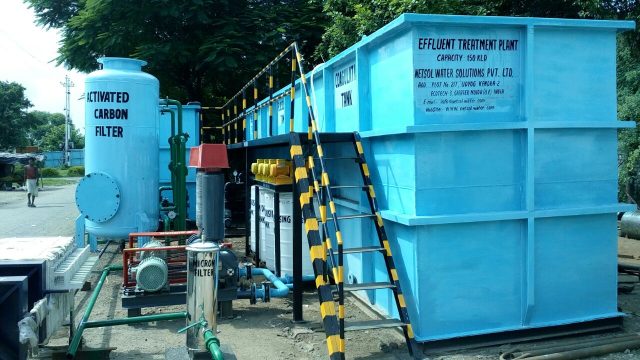
Water treatment plant is the best effluent treatment plant manufacturer in all over India. For more information you can also contact US at the email enquiry@netsolwater.com .

 

WhatsApp-Image-2019-10-05-at-1.53.19-PM-1-1.jpeg

Depending on the kind of effluent, different effluents require different treatments. Wastewater enters the effluent or sewage treatment facility and through many processing steps before being released into the environment. But the question arises, what is an effluent treatment plant and is there any requirement for effluent treatment?

Let’s understand what is effluent treatment!

It is possible to treat waste water and adhere to pollution board disposal guidelines by using an effluent treatment plant (WWTP).

Wastewater treatment is used in ETP plants to handle contaminants such suspended particles, oil and grease, heavy metals, organic and inorganic debris, and more. It is possible to treat using a batch technique or continuous flow process. Chemical treatment, biological treatment, a combination of chemical and biological treatment, and heat treatment are the different types of wastewater treatment facilities.

Is there any requirement for effluent treatment?

Globally, the industrialisation process is damaging the environment. Due to ineffective industrial wastewater treatment, India also has serious environmental issues, which is especially concerning considering the country’s burgeoning small-scale manufacturing sector. As a remedy for industrial pollution discharge, the employment of cleaner production methods and waste reduction techniques is growing in popularity. Effluent Treatment Plants (ETPs) are one of the viable options for effective wastewater treatment for small and medium-sized industries.

An Effluent Treatment Plant (ETP) is a critical component of the production process when it comes to wastewater, the site’s sewer/drainage system, and the contaminants with their corresponding limit values that must be attained. Also, the ETP aids environmental regulatory authorities in more successfully enforcing pollution reduction and environmental improvements by minimizing the number of disposal points in an industrial estate. A sanitary sewer or surface water may be used to dispose of the cleaned industrial wastewater (or effluent).

effluent treatment plant

Importance of ETP

Energy is conserved, trash is cleaned up using economical operations, and regulatory requirements are met by effluent treatment facilities.

Fundamentally, the design of an effluent treatment plant is heavily influenced by the industry and location. Location and wastewater characteristics should be taken into consideration when designing effluent treatment plants. The quality of treated and untreated effluent is strongly taken into account while building a wastewater treatment facility. When choosing a course of treatment, a number of additional factors must be taken into consideration, including the effectiveness, cost, and dependability of the course of treatment.

Goals to accomplish

To clean and reuse wastewater from industry.

Restricting the use of potable and freshwater in industry.

To reduce operational production costs or the amount spent on water purchases.

To avoid severe penalties, abide by government regulations regarding the emission or discharge of environmental toxins from various businesses.

To prevent pollution and promote long-term growth while protecting the environment.

Industrial effluent treatment process:

The treatment of different effluents varies depending on the type of effluent. Before being discharged into the environment, wastewater enters the effluent or sewage treatment facility and is processed multiple times. The industrial wastewater treatment plant process includes the following phases:

  1. The goal of preliminary treatment is to physically separate large pollutants. This level/process consists of the following:

In a waste water treatment facility, screening is the first unit activity. A screen is a device with uniform apertures that is used to remove large floating solids.

Sedimentation is a physical water treatment method that uses gravity to remove suspended materials from water.

Grit Chamber

The wastewater that flows through the grit chamber removes dense inorganic materials like gravel, metal shards, and sand that have made their way into the sewers.

Clarifiers are tanks that are mechanically designed to continuously remove sediments accumulated by sedimentation prior to biological treatment.

Primary treatment:

Its goal is to remove items that float and settle, such as suspended solids and organic waste. This therapy employs both physical and chemical approaches. It contains the following items:

Flocculation is a physical process that does not involve the neutralization of charges. It entails aggregating destabilized particles into large aggregates that can be easily removed from water.

Coagulation is the process of introducing coagulants into a liquid in order to rapidly settle minute solid particles into a larger bulk. It enables particle removal through sedimentation and filtration.

Neutralization:

The main goal of this procedure is to keep the pH in the range of 6-9 so that the various processing units in the ETP system can function properly.

Primary clarifiers:

These are used to reduce the velocity of the water so that organic particles sink to the tank’s bottom and contain equipment for removing floating solids and greases from the surface.

Secondary or biological treatment:

The goal of this treatment is to further treat the primary treatment effluent in order to eliminate suspended particles and residual organics. This stage involves biological and chemical mechanisms.

To clean industrial waste water, the activated sludge process employs air and a biological floc composed of bacteria.

Aerated Lagoons: A waste water treatment pond with artificial aeration to improve biological oxidation.

Trickling filters, also known as sprinkling filters, are widely used in the biological treatment of domestic waste water and industrial waste water.

Tertiary/advanced/disinfection treatment:

The goal of tertiary treatment is to provide a final treatment step to improve effluent quality before it is reused, recycled, or released into the environment.

Following primary and secondary treatment, chemical coagulation and sedimentation are used to promote particle removal from effluent.

Filtration:

To ensure high quality water, the cleared wastewater is routed to a nearby filtration facility, which consists of massive filter blocks.

Pressure is used to drive effluent through a membrane that holds impurities on one side while allowing clean water to pass through on the other in reverse osmosis.

UV Disinfection:

It is thought to be an excellent industrial waste water disinfectant. It leaves no residual disinfection in the water because it maintains water purity. It produces no byproducts of disinfection.

What do we offer?

Specialized wastewater management is necessary because wastewater composition varies. Because every project is unique, our professionals at Netsol will help you choose the method that will treat wastewater the best.

The most difficult water treatment or wastewater treatment requirements of a wide range of clients, including small businesses, companies, and regional government agencies, are handled by Netsol by combining cutting-edge technology with years of experience.

For further information, contact us at +91 9650608473 or email at enquiry@netsolwater.com.


cover-1-1280x721.jpg

Any industrial or commercial facility, such a food processing plant or manufacturing company, produces and discharges effluent discharge, which is also referred to as “wastewater.” There are rules you must follow, and each business is in charge of its own waste. Effluent can be defined as It is an unwanted consequence of using water. The water that is utilised when you turn on the faucet or flush the toilet will ultimately reach the ocean and other major bodies of water.

We’ve laid out all the related terms which are important to know about the effluent discharge here. So, let’s get to know more about the effluent discharge..

Discharge of effluent into groundwater or surface waters

You need authorization from your environmental regulator if you are discharging to surface water or groundwater. You risk legal repercussions if you discharge without permission. Rivers, reservoirs, and canals are examples of surface waters. The biggest reservoir of fresh water is groundwater, which is found below the water table.

If they penetrate the aquatic environment, many solids, liquids, and gases can pollute the ecosystem. Chemicals, oils, and waste materials are examples of pollutants. Even milk has the potential to seriously damage the aquatic ecosystem.

Dumping of effluent into sewers:

Sewage companies control the discharge of effluent into the sewer network to safeguard people, the environment, and the sewer system. If your firm flushes trade effluent into the sewer system, such as fats, greases, oils, chemicals, detergents, or heavy metal rinses, you’ll need to get your water and sewage company’s permission or sign a trade effluent agreement before doing so. They will determine the kind, volume and strength of effluent you are allowed to discharge as well as the fees your company will have to pay. You risk legal action, penalties, and even incarceration if you discharge without the proper agreement.

Sludges and screens are only two examples of the items from your effluent treatment plant that must be disposed of as trash. Up until it is recycled or disposed of, your company is legally responsible for its waste. This covers all phases of handling and storage.

Effluent Discharge

Your obligations regarding waste:

You could require a waste management licence from your environmental regulator if you (or your contractor) spread sludge from your effluent treatment plant on land. Though you might be able to file an exemption, it is crucial that you first talk through any ideas with your environmental regular. You must make sure your operations don’t endanger human health or endanger plants, water, air, soil, or animals, regardless of whether you have a licence, permission, or are exempt. Additionally, you must refrain from any action that might harm the surrounding area or points of interest, like making noise, emitting odours, or creating a disturbance in general.

Recommendations:

There are several approaches to make sure you manage wastewater discharge in accordance with best practises. Most essential, you should always adhere to the precise requirements of any permit or authorization you get from an environmental regulator or a sewage business. You may use the following additional recommended practises to reduce your wastewater discharge:

Better process control

A strong incoming flow can be minimised with the use of effective process management. For instance, flow and load balancing can lessen the shock loads on your treatment facilities. In an emergency, you might also think about using an offline tank as a holding tank.

Reduce the amount of cleaning agents you use

Use caution while using cleaning chemicals since they might be particularly harmful to the aquatic environment. One strategy is to get rid of as much product as you can before cleaning the machinery. For instance, factories frequently use pigging systems to move products to the following step of manufacturing.

Enclose drains

Grates covers and grease traps can lessen the amount of waste that enters the sewer system in the food and beverage manufacturing industry. Never use water to clean up spills; always use a brush or a vacuum.

Reduce the volume.

The Mogden Formula serves as the foundation for most discharge consents. The expenses of disposal increase as you discharge more and send more waste goods for discharge.

Maximize storage space

By making sure you have enough storage space for the amount of sludge your business produces, you may limit the amount of sludge you distribute on land.

Conclusion:

The discharge of effluents from your industrial or commercial property is your duty, and you must obtain the necessary permission from the relevant organisations or authorities as described in this article to avoid penalties and legal action.

The wastewater and dewatering team at Netsol water solutions has specialised understanding in commercial and industrial water treatment, allowing wastewater to be reused and lowering outflow. Place a call at +91-9650608473 or by email at enquiry@netsolwater.com  to learn more about how our solutions can be of use to you.

ETP-Plant-Manufacturer-1-1280x711.png

The goal of an effluent treatment plant, also known as an ETP, is to discharge clean water into the environment while protecting it from the negative effects of the effluent. ETPs are one form of waste water treatment process.

Let’s discuss effluent treatment plants in detail

Depending on the industry, industrial effluents comprise a range of different substances. Some effluents contain hazardous substances while others contain oils and grease (e.g., cyanide). Degradable organic contaminants are present in factory effluents from the food and beverage industry. Industrial waste water contains a variety of pollutants, necessitating the use of a specific treatment method called ETP. The ETP Plant processes waste water from many industrial sectors, including chemicals, medications, pharmaceuticals, refineries, dairy, ready-mix industries, and textiles, among others, using a variety of physical, chemical, biological, and membrane processes.

Advantages of ETP:

  1. To purify industrial waste so that it can be recycled and used again
  2. To decrease the amount of fresh water used in industry
  3. To protect the environment from pollution
  4. To comply with the government’s guidelines for pollution emissions and avoid facing severe penalties
  5. To cut back on water acquisition costs

Process for Treating Industrial Effluent:

Depending on the kind of effluent, different effluents require different treatments. Before effluent is released into the environment, wastewater enters the effluent or sewage treatment plant and undergoes a number of processes. The steps of the industrial effluent treatment plant process are as follows:

  1. Preliminary Treatment: Its goal is to physically separate large-sized pollutants. Consider materials like cloth, plastic, paper, and wood logs. This stage/process entails:

Screening: In waste water treatment facilities, this is the initial unit activity that takes place. A screen is a tool with consistently sized apertures used to catch big floating objects.

Sedimentation: It is a physical method of purifying water that eliminates suspended particulates from the water by employing gravity.

ETP

Grit Chamber: The wastewater that enters the grit chamber eliminates the heavy inorganic materials that have found their way into the sewers, such as metal shavings, gravel, and sand. Grit removal can help avoid pump damage and operational issues.

Clarifiers: Before biological treatment, particles deposited by sedimentation are continuously removed from the tank by mechanical means.

  1. Primary treatment: The primary goal of this treatment is to remove floating and settleable substances, including suspended solids and organic waste. Both physical and chemical techniques are employed in this treatment. It contains:

Flocculation: The physical process of flocculation does not include the neutralisation of charge. Destabilized particles are combined into substantial aggregates in order to make it simple to remove them from the water.

Coagulation: It is a procedure that involves the addition of coagulants in order to hasten the quick settling of tiny solid particles in a liquid into larger mass. It enables filtration and sedimentation for particle removal.

Neutralization: This procedure’s primary goal is to maintain a pH range of 6 to 9 in order to satisfy the needs of various ETP processing units.

Primary Clarifiers: These are used to decrease the water’s velocity so that organic solids will settle to the tank’s bottom and contain equipment for removing floating solids and oil from the surface.

  1. Secondary Treatment: The goal of secondary or biological treatment is to further process the effluent from primary treatment to remove suspended particles and remaining organics. This stage involves both biological and chemical activities.

Activated sludge process: The Activated Sludge Process uses air and a biological floc made of bacteria to clean industrial waste water.

Aerated Lagoons: An artificial aeration system is added to a treatment pond to aid in the biological oxidation of waste water.

Trickling filters: They are frequently used for the biological treatment of home sewage and industrial waste water. They are sometimes referred to as sprinkling filters.

Rotating Biological Contactor: This process involves exposing wastewater to a biological medium in order to filter out pollutants before releasing the cleaned wastewater into the environment.

  1. Advanced/tertiary treatment: The goal of tertiary treatment is to provide a final step of treatment to enhance the effluent quality to the appropriate level before it is reused, recycled, or released into the environment.

Chemical coagulation and sedimentation: After primary and secondary treatment, chemical coagulation and sedimentation are utilised to increase the removal of solids from effluent.

Filtration: To assure high-quality water, the cleared wastewater is first sent through the nearby filtration plant’s big filter blocks.

Reverse osmosis: In this method, wastewater is forced under pressure across a membrane that traps impurities on one side and lets clean water through to the other.

UV disinfection: This method is regarded as the best one for treating industrial waste water. By maintaining the water quality, it ensures that no residual disinfection is left in the water. There are no by-products of disinfection produced by it.

What Netsol can offer!

The operation and maintenance of municipal and commercial water and wastewater treatment facilities is a specialty of Netsol Water Solutions. The majority of water and wastewater treatment plants and procedures currently in use, including sewage treatment plants, reverse osmosis plants, industrial wastewater treatment plants, pumping stations, and advanced water/wastewater treatment facilities, are covered by the plans we currently operate, which treat millions of litres of water per day for both municipal and industrial sectors.

Our team of trained engineers, scientists, diverse operators, and technicians is committed to providing excellent operation and maintenance services.

For any other support, inquiries, or product purchases, call on +91-9650608473 or email at enquiry@netsolwater.com

Netsol Water

Headquarter

Plot No. 164,

Udyog Vihar Extension,

Surajpur, Greater Noida,

Uttar Pradesh 201306
+ 91-9650608473

www.netsolwater.com

info@netsolwater.com

LOCATIONS

We Are Everywhere in India & Overseas.


GET IN TOUCH

Follow Our Activity

TO get an update about our daily activity just follow us and Join the Hands to Save Mother-Earth