Effluent Treatment Plant Manufacturers Archives - Water Treatment Plants

Effluent-Treatment-Plant-for-Pharmaceutical-Industry.jpg

Effluent Treatment Plant for Pharmaceutical Industry

The pharmaceutical industry handles complex materials during drug production. Waste streams can contain active molecules solvents and chemical by products. These wastes can affect public health and the environment if not treated well. India has major pharmaceutical hubs like Hyderabad and Ahmedabad that has many drug makers and research units. These hubs shape the global supply chain and they must meet strict waste rules. An Effluent Treatment Plant plays an important role in keeping operations clean. The plant helps remove harmful chemicals, reduce biological load and lower toxic discharge. Good ETP design and firm company practices help protect local water bodies and public health.

Regulatory Compliance and Standards

Regulatory compliance protects people and the planet. The pharma sector must meet many rules that set limits for what can go into water and soil. Compliance also creates trust with regulators buyers and neighbours. Let us have a look on some key areas that companies must focus on to meet rules and to avoid penalties.

National and International Regulations

India and many export markets set limits for chemical oxygen demand biological oxygen demand and for specific drug residues. These rules include national law and guidelines from agencies that oversee medicine safety and environmental health. Pharmaceutical firms must follow discharge limits for solvents heavy metals and organic load. They must also meet standards for on site treatment quality before release. Firms that export must meet buyer country rules and they must document their compliance in export records. Good practice means that the facility maps all waste streams and links each stream to the proper treatment route. This mapping helps select the right process and the right monitoring frequency. Firms should also keep track of changes in regulations so they can update their treatment safely. Doing this keeps the plant legal and it lowers the risk of shutdowns and fines.

Permits and Reporting

Permits set the terms for how a plant may discharge treated water and how it must manage waste. The plant must secure consent to establish and consent to operate from the proper authority. The permit lists limits monitoring needs and reporting schedules. The company must record test results and submit them on time. Many regulators also require an environmental management plan that shows the technologies used and the emergency steps in case of a spill. Let us have a look on some actions that make permit management easier. First the plant should assign clear roles for sample collection testing and record keeping. Second the plant should set a calendar for tests and for reports that the team follows without fail. Third the plant should run internal audits that mirror regulator checks so the team can fix gaps before an external visit. These actions help the firm stay in good standing and they show a clear commitment to clean operation.

Design and Operation Best Practices

Good design and steady operation make treatment work well. A plant that meets design needs and that runs with discipline reduces risks and lowers operating cost. Let us have a look on some design and operations that matter for pharma effluent treatment.

Treatment Technologies and Process Design

Pharma effluents can include solvents, active pharmaceutical ingredients and high organic load. A robust design will match the waste profile with the right mix of physical, chemical and biological steps. Common steps include equalization to balance flow and load and neutralization to set pH. The plant may use chemical oxidation for hard to break organics and it may use advanced oxidation or adsorption to remove residues of active drugs. Biological reactors handle biodegradable waste and they can lower organic load before final polishing. Membrane systems and ultrafiltration can produce a low turbidity stream for reuse. Let us have a look on why design detail matters. Proper retention time ensures microbes work well in reactors. Correct dosing avoids excess chemical use. Sizing for peak load prevents overflow during high production days. A design that uses modular units also helps when the factory expands or when a process switch changes the waste type. These choices reduce downtime and they lower long term cost.

Automation and Process Control

Automation delivers steady performance and it reduces human error. A control system can manage pH dosing, flow splitters and aeration rates. Sensors for flow pH, dissolved oxygen and chemical oxygen demand feed the control loop. The system can trigger alarms and log events for the team and for regulators. Let us have a look on the benefits of solid control. First automation keeps the process within safe bands so the plant avoids permit violations. Second automation supports predictive maintenance by logging trends that signal wear or fouling. Third the system frees staff to focus on improvement rather than on routine checks. When the plant pairs automation with clear standard operating procedures the whole team can respond faster to upset conditions and keep the discharge safe.

Monitoring Maintenance and Waste Minimization

Monitoring and upkeep keep the plant reliable and they reduce risk. Waste minimization lowers load on the plant and it reduces cost. Let us have a look on the actions that help the pharma plant run clean and green.

Continuous Monitoring and Lab Testing

A strong monitoring plan covers online sensors and lab tests. Online sensors watch pH flow and oxygen while lab checks confirm biological oxygen demand, chemical oxygen demand and residue levels. The sampling plan must cover grab samples and composite samples to capture changes over the day. Let us have a look on the practical steps. The plant should train staff in correct sampling and in chain of custody. It should contract or build a lab that follows accredited methods. The team should analyze trends to spot slow failures and to tune the process. A fast response to outliers prevents major spills and it keeps the plant within limits. Clear logs also make audits easier and they show good management when inspectors call.

Sludge Management and Resource Recovery

Managing Sludge well lowers disposal cost and it can recover value. Dewatering reduces sludge volume and it makes transport cheaper. Composting or anaerobic digestion can handle organic sludge and produce biogas for onsite energy use. Let us have a look on recovery options. First the plant can separate streams with recoverable solvents and send them to a reclamation unit. Second chemical treatment can yield salts that a partner may reuse. Third thermal drying or gasification can process non biodegradable solids for energy recovery. Proper sludge handling reduces landfill use and it cuts the life cycle impact of the operation.

Conclusion

An Effluent Treatment Plant stands at the centre of safe pharma production. Firms that meet rules and that follow best practice reduce risk and build trust. Good design clear permits strong controls and steady maintenance keep operations compliant and efficient. Netsol Water is the leading Effluent Treatment Plant Manufacturer and it offers solutions that match pharma needs. If you want a review of your plant or a consultation on design and permits please get in touch for a detailed discussion and for a site specific proposal.

Contact Netsol Water at:

Phone: +91-9650608473  Email: enquiry@netsolwater.com


Effluent-Treatment-Plant-for-Food-Beverage-Industry-1.jpg

Effluent Treatment Plant for Food & Beverage Industry

An Effluent Treatment Plant plays an important role in the food and beverage industry by treating wastewater from kitchens, factories and processing units so that water returns to the environment in a clean form. This industry creates wastewater that carries organic matter, fats, sugars and cleaning agents that can harm rivers and groundwater if left untreated. Food and beverage hubs in India and other regions need good plants to protect public health and to protect natural resources. Companies must follow rules and meet standards while they grow production and manage costs. A well designed ETP helps a factory meet those rules and it helps the factory save water and lower cost by enabling reuse. Netsol Water is the leading ETP Manufacturer and it works with food processors to design systems that match their needs.

Why Effluent Treatment Plant matters for the Food and Beverage Industry

Clean water supports public health and protects nearby communities. Untreated wastewater can spread disease harm soil and choke waterways. Food and beverage makers face strict rules and they need robust systems to meet them. An effective Effluent Treatment Plant reduces risk and helps companies meet permits. Let us have a look on some of the key reasons.

Protecting health and the environment

Factories that process food and drinks produce water with high organic load. If this water goes into a river the organic load will reduce oxygen and harm fish and plants. Solids and oils can block drains and create foul conditions. A proper Effluent Treatment Plant uses a sequence of steps to remove solids reduce organic matter and separate oils so that water flows safely back to nature. Managing this waste stream prevents contamination of local wells and reduces health risk for people who use river water. When a food plant treats its effluent well it prevents fines and it builds trust with local communities. Effective treatment also reduces odor and pests which improves worker safety and community relations. Companies that act in this way protect their brand and keep operations steady.

Saving water and cutting cost

Water cost and water scarcity drive the need for reuse. An ETP can treat water so that factories reuse it for cleaning cooling or even for some parts of food processing where high purity is not required. By reusing treated effluent a plant cuts fresh water use and lowers utility bills. Reuse also reduces the volume of wastewater that the plant must discharge. When a factory invests in the right treatment it earns long term savings and resilience against drought. Netsol Water helps clients see where reuse makes sense and it offers systems that match factory size and product mix. A personalized plant prevents over engineering and it keeps capital cost in check while enabling steady savings over time.

Key Treatment Processes and Technologies for Food and Beverage Effluents

The treatment train starts with simple steps that remove large solids and then it moves to more complex steps that reduce dissolved organic matter and pathogens. Let us have a look on some common processes and how they serve food and beverage wastewater.

Primary and secondary treatment

Primary treatment focuses on removing grease, sand and large solids from the wastewater so that later stages work well. This stage uses screens grit chambers and oil separators which prevent blockages and protect pumps and membranes downstream. After primary steps the plant sends water to secondary biological treatment. In this stage bacteria consume organic matter and convert it to biomass which a plant can settle and remove. Systems such as activated sludge and sequencing batch reactors perform this task. Proper control of oxygen and retention time in these units drives high removal of biochemical oxygen demand which is a key measure of organic pollution. Operators monitor these units to keep the biology healthy and to avoid foam or sludge problems. For most food and beverage plants this two step approach gives a strong base for further polishing and reuse.

Advanced treatment and reuse

After biological treatment the plant must polish the water to meet discharge or reuse targets. Advanced steps include membrane filtration chemical dosing and disinfection. Microfiltration and ultrafiltration remove suspended solids and bacteria. Reverse osmosis can remove dissolved salts and small organics when reuse requires high purity. Disinfection using UV or chlorine kills pathogens and makes water safe for non potable reuse. Some food processors also use anaerobic digesters to recover energy from sludge and to reduce sludge volume. Technologies for nutrient removal matter for factories that use high protein raw materials. Choosing the right mix of technologies depends on the wastewater profile factory size and reuse goals.

Design Customization Operation and Compliance

We will explain why design customization matters and how operation and compliance shape the choice of an ETP. Each factory has its own waste mix and operations schedule. Let us have a look on some design steps and how manufacturers support ongoing operation and legal needs.

Custom design by manufacturers like Netsol Water

A good Effluent Treatment Plant design begins with sample tests and a close look at production cycles. Food and beverage effluent can change by shift or by product. A flexible design handles these swings without losing performance. Netsol Water is the leading ETP Manufacturer and it makes plants that match the raw water quality flow range and the reuse plan of each client. Designers size tanks choose biological systems and plan automation to keep control simple for site staff. When engineers include modular units a factory can expand capacity as output grows. Practical features such as easy access to pumps and simple controls reduce downtime and make maintenance faster. Design choices also account for sludge handling and for safe disposal or reuse of solids.

Operation maintenance and meeting regulations

Once installed a plant must run reliably and it needs regular checks. Operators follow a schedule for cleaning inspections and for testing treated water. Automation can log parameters and alert staff if something departs from normal. Regulatory compliance requires regular sampling and documentation. Meeting limits for biochemical oxygen demand suspended solids and pathogens calls for clear standard operating procedures. Training for plant staff makes a large difference in stable performance. Many manufacturers offer service plans spare parts and remote support to help plants stay online. Proper operation reduces chemical use lowers energy demand and extends the life of key components. When a plant runs well the factory keeps permits and avoids fines. Netsol Water supports clients with training and with maintenance contracts that fit their needs.

Conclusion

A robust Effluent Treatment Plant supports food and beverage operations by protecting health, saving water and ensuring legal compliance. Effluent Treatment Plant Manufacturers play a key role in matching technology to each factory need. Netsol Water is the leading ETP Manufacturer and it helps clients choose designs that balance cost and performance. To learn how an ETP can fit your factory contact Netsol Water for more information or request a consultation today.

Contact Netsol Water at:

Phone: +91-9650608473Email: enquiry@netsolwater.com

Netsol Water

Headquarter

Plot No. 164,

Udyog Vihar Extension,

Surajpur, Greater Noida,

Uttar Pradesh 201306
+ 91-9650608473

www.netsolwater.com

info@netsolwater.com

LOCATIONS

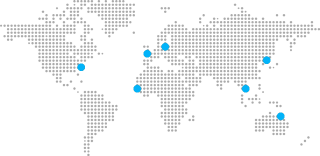
We Are Everywhere in India & Overseas.


GET IN TOUCH

Follow Our Activity

TO get an update about our daily activity just follow us and Join the Hands to Save Mother-Earth