effluent treatment plant manufacturer Archives - Page 6 of 7 - Water Treatment Plants

ETP-Plant-Manufacturer-1-1280x711.png

The goal of an effluent treatment plant, also known as an ETP, is to discharge clean water into the environment while protecting it from the negative effects of the effluent. ETPs are one form of waste water treatment process.

Let’s discuss effluent treatment plants in detail

Depending on the industry, industrial effluents comprise a range of different substances. Some effluents contain hazardous substances while others contain oils and grease (e.g., cyanide). Degradable organic contaminants are present in factory effluents from the food and beverage industry. Industrial waste water contains a variety of pollutants, necessitating the use of a specific treatment method called ETP. The ETP Plant processes waste water from many industrial sectors, including chemicals, medications, pharmaceuticals, refineries, dairy, ready-mix industries, and textiles, among others, using a variety of physical, chemical, biological, and membrane processes.

Advantages of ETP:

  1. To purify industrial waste so that it can be recycled and used again
  2. To decrease the amount of fresh water used in industry
  3. To protect the environment from pollution
  4. To comply with the government’s guidelines for pollution emissions and avoid facing severe penalties
  5. To cut back on water acquisition costs

Process for Treating Industrial Effluent:

Depending on the kind of effluent, different effluents require different treatments. Before effluent is released into the environment, wastewater enters the effluent or sewage treatment plant and undergoes a number of processes. The steps of the industrial effluent treatment plant process are as follows:

  1. Preliminary Treatment: Its goal is to physically separate large-sized pollutants. Consider materials like cloth, plastic, paper, and wood logs. This stage/process entails:

Screening: In waste water treatment facilities, this is the initial unit activity that takes place. A screen is a tool with consistently sized apertures used to catch big floating objects.

Sedimentation: It is a physical method of purifying water that eliminates suspended particulates from the water by employing gravity.

ETP

Grit Chamber: The wastewater that enters the grit chamber eliminates the heavy inorganic materials that have found their way into the sewers, such as metal shavings, gravel, and sand. Grit removal can help avoid pump damage and operational issues.

Clarifiers: Before biological treatment, particles deposited by sedimentation are continuously removed from the tank by mechanical means.

  1. Primary treatment: The primary goal of this treatment is to remove floating and settleable substances, including suspended solids and organic waste. Both physical and chemical techniques are employed in this treatment. It contains:

Flocculation: The physical process of flocculation does not include the neutralisation of charge. Destabilized particles are combined into substantial aggregates in order to make it simple to remove them from the water.

Coagulation: It is a procedure that involves the addition of coagulants in order to hasten the quick settling of tiny solid particles in a liquid into larger mass. It enables filtration and sedimentation for particle removal.

Neutralization: This procedure’s primary goal is to maintain a pH range of 6 to 9 in order to satisfy the needs of various ETP processing units.

Primary Clarifiers: These are used to decrease the water’s velocity so that organic solids will settle to the tank’s bottom and contain equipment for removing floating solids and oil from the surface.

  1. Secondary Treatment: The goal of secondary or biological treatment is to further process the effluent from primary treatment to remove suspended particles and remaining organics. This stage involves both biological and chemical activities.

Activated sludge process: The Activated Sludge Process uses air and a biological floc made of bacteria to clean industrial waste water.

Aerated Lagoons: An artificial aeration system is added to a treatment pond to aid in the biological oxidation of waste water.

Trickling filters: They are frequently used for the biological treatment of home sewage and industrial waste water. They are sometimes referred to as sprinkling filters.

Rotating Biological Contactor: This process involves exposing wastewater to a biological medium in order to filter out pollutants before releasing the cleaned wastewater into the environment.

  1. Advanced/tertiary treatment: The goal of tertiary treatment is to provide a final step of treatment to enhance the effluent quality to the appropriate level before it is reused, recycled, or released into the environment.

Chemical coagulation and sedimentation: After primary and secondary treatment, chemical coagulation and sedimentation are utilised to increase the removal of solids from effluent.

Filtration: To assure high-quality water, the cleared wastewater is first sent through the nearby filtration plant’s big filter blocks.

Reverse osmosis: In this method, wastewater is forced under pressure across a membrane that traps impurities on one side and lets clean water through to the other.

UV disinfection: This method is regarded as the best one for treating industrial waste water. By maintaining the water quality, it ensures that no residual disinfection is left in the water. There are no by-products of disinfection produced by it.

What Netsol can offer!

The operation and maintenance of municipal and commercial water and wastewater treatment facilities is a specialty of Netsol Water Solutions. The majority of water and wastewater treatment plants and procedures currently in use, including sewage treatment plants, reverse osmosis plants, industrial wastewater treatment plants, pumping stations, and advanced water/wastewater treatment facilities, are covered by the plans we currently operate, which treat millions of litres of water per day for both municipal and industrial sectors.

Our team of trained engineers, scientists, diverse operators, and technicians is committed to providing excellent operation and maintenance services.

For any other support, inquiries, or product purchases, call on +91-9650608473 or email at enquiry@netsolwater.com

netsolwater.jpg

One of the major sources of pollution on a global scale is wastewater treatment plant effluent harmful discharge. The hazardous chemicals identified in these effluents have been linked to adverse effects on aquatic ecosystems and humans on a national and worldwide level. In addition to chemical accumulation and magnification at higher levels of the food chain, some of these effects may include the death of aquatic life, algal blooms, habitat destruction from sedimentation and debris, increased water flow, and other short- and long-term toxicity from chemical contaminants.

How Harmful to the Environment is Effluent?

We are practically depleting water resources because we are rendering water useless. Despite the fact that waterbodies make up the majority of the Earth’s surface, think about the rubbish we are disposing of in them. We are actually contaminating water that we might use. However, the harm that effluent harmful does to the environment goes beyond that.

Habitat and Water Pollution

Wastewater’s greatest direct impact on the environment is when it helps pollute and destroy natural ecosystems and the species that lives there by exposing them to dangerous chemicals that would not otherwise be present in the course of nature.

Depravity

One of the worst causes and carriers of illness is wastewater. A World Health Organization research claims that more than 3.4 million individuals worldwide pass away each year as a result of a waterborne illness. The mix of human waste, solvents, and paints produces vapours that are not only disgusting but also expose individuals to dangerous fumes, in addition to the illnesses that wastewater brings. When you breathe in sewage gas, there is a serious risk.

Degradation of Soil

It is common practise to treat and repurpose wastewater for irrigation. As if that weren’t awful enough, water treatment methods fall short of perfection. When wastewater isn’t adequately handled, chemicals that are hazardous to crops may end up in the soil. The soil will produce fewer crops at a slower rate as a result of these chemicals. Remember that these plants will eventually be eaten, which can be harmful to people.

It Has Dangerous Substances

Heavy metals, pathogens, toxic chemicals, salts, oil and grease, sediments, nutrients, sludge, acids and bases, hazardous organic compounds, organic and inorganic elements may all be present in wastewater. Numerous risks to people, animals, and the environment are present in this wastewater. It may be flammable, reactive, corrosive, poisonous, and/or acidic. Consequently, it has to be treated before being used again or diverted into the water supply.

Impacts of Wastewater on Waterbodies

In general, waterways are particularly vulnerable to the negative impacts of wastewater. Aquatic habitats are disturbed by toxic substances in the wastewater. Organisms begin to break down enormous amounts of biodegradable materials that have entered the water, which requires a lot of dissolved oxygen. For marine life to thrive, dissolved oxygen is essential, and when its levels drop, fish may face a serious threat to their lives.

Additionally, grease and oil in wastewater are harder to degrade and have a tendency to float to the top of the water. This blocks the light that aquatic plants that use photossynthesis need. It has the potential to entangle birds’ feathers and choke fish. These are hazardous to both humans and animals, just as heavy metals like lead and mercury. Serious health consequences could also result from consuming fish that was caught in a tainted water source, either as food or drink. The same holds true for aquatic creatures and plants.

Other Negative Wastewater Characteristics

Untreated wastewater is frequently warm or even hot when dumped, which can raise the water’s temperature and further disturb the ecosystem. Because fish have cold blood, they depend on the water to control their body temperature. The warmth of the water can make animals move more quickly and breathe more heavily. The amount of oxygen in the water is also impacted by its temperature.

Conclusion:

Domestic and industrial wastewaters are significant sources of effluent treatment plant that are released into receiving water bodies on a regular basis due to growing industrialization and rising population density worldwide. The degradation of receiving water bodies is caused by the quality of wastewater effluent harmful, and this degradation has a number of negative effects, including the spread of various waterborne diseases, decreased levels of dissolved oxygen, physical changes to receiving waters, the release of toxic substances, bioaccumulation or biomagnification in aquatic life, and increased nutrient loads.

Guidelines and policies aimed at treating wastewater before discharge into receiving water bodies are therefore being adopted at both the national and international levels in order to protect public health and prevent adverse environmental effects.

Netsol is a leading producer of water and wastewater treatment plants, Netsol Water is situated in Greater Noida. Based on customer feedback and the calibre of our work, we are the industry’s most demanding organisation. You may reach us by phone at +91-9650608473 or by email at enquiry@netsolwater.com  in case you have any questions about our products, services, or support.

STP-Plant.png

An Effluent treatment plant installation must be outfitted with the appropriate O&M protocol. The creation of an inventory of maintenance needs is the first stage in the O & M preparation process. This inventory is often contained in the Operation & Maintenance (O&M) Manual that the contractor who designed and constructed the installation created for it. After finishing the job, he gives the principal for whom he built the installation the handbook.

The O & M Manual would outline the necessary maintenance in the sections listed below:

Equipment Maintenance:

This part contains record-keeping forms as needed and schedules outlining the various equipment’s periodic maintenance requirements. There is also a list of equipment suppliers, telephones, and service providers included. This section also includes the manufacturer’s O&M requirements. This portion of the O&M Manual has to be carefully read by the operation and maintenance contractor and the ETP maintenance crew.

Storeroom and Spare Components Inventory:

It contains a list of essential replacement parts, some of which may have protracted delivery dates. Contact information for nearby manufacturers or dealers of the various pieces of installation equipment is useful when looking for advice or suggestions. The location of the spares’ storage is also specified in this section.

The manufacturer’s O&M documentation:

Cut-sheets and other manufacturer information are also included in the O & M handbook. To guarantee appropriate planning and execution of O & M operations, ETP employees and the O & M Contractor should become familiar with all of these papers.

In the absence of these documents, equivalent ones should be created based on research into the plant, previous experience, the process, the equipment, and communications with manufacturers and suppliers.

Role of plant operator:

In order to guide the effluent and settled sludge to different units for / after treatment, plant operator(s) operate and maintain screens, grit removal devices, aerators, valves, pumps, etc. in shifts.

They ought to be able to see issues and serve as the Plant manager’s ears and eyes. Additionally, they must help the electrical and mechanical maintenance technician(s) with the activities associated with preventative and breakdown maintenance.

The Effluent treatment plant is operated by a team. In order to ensure intended performance, it necessitates adequate team selection, training need assessment, on-the-job moulding, issue forecasting, training, laboratory and statistical analysis, and troubleshooting. All of these needs should be covered by the O & M employee profile.

It is necessary to locate backup workshop facilities since it is impractical to set up a repair/maintenance shop on the site to perform extensive overhauls and repairs to mechanical and electrical equipment. A good ETP operating contractor may have his or her own central resources set up in practical locations to assist in carrying out such heavy repairs and maintenance, or he may have an agreement to move such resources, whether his or her own or from a trade, to the site with matching capability to establish temporarily for task completion. If the ETP operation is to be outsourced, this should be considered.

Regulations for Safety Operation

Hazard Identification in ETP Operators of effluent treatment plants are subjected to unpleasant odours and noise from machinery while working both indoors and outdoors. Physical labour and working in dirty environments are common in operators’ jobs. Additionally, because plants are open 24 hours a day, 7 days a week, operators rotate through three shifts of eight hours each, including weekends and holidays. Operators might have to put in extra hours.

Additionally, the reagents utilised in the waste water processing as well as the chemicals created during the waste water treatment expose ETP personnel to a number of dangerous chemical agents. Acute poisoning and chemical accidents might result from these chemical substances. Considerations for occupational safety and health (OSH) are increasingly important in today’s business operations. To reduce OSH risks in the operation of ETP, it is required to identify hazards and develop preventative and corrective actions.

Why choose Netsol water solutions!

In many different industries, Netsol offers a wide variety of services and does business all throughout the globe. With the added advantage of our continuous preventive maintenance and backup support, our services also cover the specification and suggestion of water treatment equipment, reverse osmosis, initial installation of water softeners, and filtering systems.

Fixing a client’s water issues involves a human connection. Problem-solving is a customer-specific activity since no single mass-produced item can offer a universal answer for all clients. The design, servicing and installation, are just as significant in our client/supplier relationship as the equipment we may finally deliver because the problems might vary and our diagnosis may vary as a result.

For any other support, inquiries, or product purchases, call on +91-9650608473 or email at enquiry@netsolwater.com

Screenshot-65-1-1280x775.png

Effluent Treatment Plants (ETPs)

ETPs are used to treat industrial, commercial, and residential wastewater by removing contaminants such as toxins, bacteria, wastewater, and sludge. This allows for the wastewater to be reused and for it to be safely disposed of into the environment. As we all know, there are four major types of pollution: water pollution, noise pollution, soil pollution, and air pollution. Effluent Treatment Plant Process is therefore required out of these four types to prevent water pollution, which indirectly helps to prevent soil pollution and air pollution.Effluent Treatment Plant Process flow diagram tells everything about the water treatment.

Flow Diagram of an ETP

As demonstrated in the design above, the site and industry have a significant influence on the design of an effluent treatment facility. Site characteristics (soils, topology, geology, hydrology, climate), as well as wastewater, are significant considerations taken into account while developing ETP. When constructing a wastewater treatment plant’s procedure, treated and untreated effluent requirements are also taken into account.

Process of an ETP:

An ETP receives untreated wastewater as input (influent), treats it, and then creates effluent. It also recovers useful materials from the effluent. For it to function properly, it must go through a number of processes, including equalisation, pH control, coagulation, sedimentation, filtration, disinfection, and sludge drying.

ETP plants are essential to this procedure because they offer the following advantages:

  1. Lowers the cost of off-site treatment.
  2. No unnecessary water is used in the processing.
  3. It helps your company become self-sufficient.
  4. Contributes to the protection of the environment for future generations and the decrease of pollution in natural water bodies.
  5. Utilizing an effluent treatment facility is the most economical and environmentally friendly option.
Why Is Effluent Treatment Necessary?

As industrial and commercial wastewater quality rises quickly today, it pollutes the environment, contaminates our natural resources, and spreads a variety of dangerous diseases. The government also takes rigorous action against this problem and mandates the establishment of ETP Plants for the safe disposal of treated wastewater into rivers, ponds, lakes, or any other natural facility without causing any pollution. The need can be summarised as follows:

  1. The first requirement for an ETP is the cleaning and recycling of industrial effluent.
  2. To reduce the amount of freshwater or drinkable water used in industries.
  3. To lower the costs associated with buying water.
  4. To avoid costly penalties by adhering to government rules for the release of environmental pollutants from diverse sectors.
  5. To prevent pollution in the environment and support long-term growth.
Effluent Treatment Plant Benefits
  1. Wastewater is transformed into clean, safe water using ETP.
  2. It helps us save money.
  3. It guards against pollution entering our environment.
  4. It guards against a variety of diseases brought on by sewage.
  5. ETP aids in reducing waste.
  6. By reusing old or contaminated water, it conserves water.
  7. It aids in the environmentally safe disposal of wastewater.
  8. Transporting clean water is not necessary with ETP.
Conclusion

Netsol Water are offering the best end-to-end water and wastewater treatment services globally for years. In order to achieve the finest effluent treatment outcomes, our ETP uses physical, chemical, biological, and membrane processes to clean wastewater for its effective reuse and discharges safe water into the environment.

Leading water and wastewater treatment plant manufacturer Netsol Water is situated in Greater Noida. Based on client feedback and the calibre of our work, we are the most demanding organisation in the sector. We are regarded as the top producers of industrial RO plants, commercial RO plants, sewage treatment plants, water softening plants, and effluent treatment plants. Additionally, our USP is our 24-hour customer service. If you have any questions about our support, inquiries, or product purchases, call us at +91-9650608473 or send an email to enquiry@netsolwater.com.

Netsol Water

Headquarter

Plot No. 164,

Udyog Vihar Extension,

Surajpur, Greater Noida,

Uttar Pradesh 201306
+ 91-9650608473

www.netsolwater.com

info@netsolwater.com

LOCATIONS

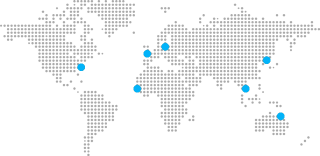
We Are Everywhere in India & Overseas.


GET IN TOUCH

Follow Our Activity

TO get an update about our daily activity just follow us and Join the Hands to Save Mother-Earth