commercial ro plant Archives - Page 12 of 14 - Water Treatment Plants

Screenshot__25_-removebg-preview.png

Industrial RO Plant is regarded as one of the most important crucial water purification technologies. Water pollutants are eliminated by forcing them through a semi-permeable membrane. As a result, pure water fit for drinking is squeezed out. The RO Plant is also utilized for saltwater desalination. RO Water Plants can be a dependable source of potable water.

  • The procedure eliminates dissolved and suspended contaminants, as well as germs.
  • The membrane is permeable enough to allow solvent molecules to pass through but not large ions or molecules to interact with its pores.

Types of Industrial Ro Plant

The following are the numerous types of Industrial Ro Plant to choose from based on your needs:

100 LPH

The 100 LPH Ro Plant is suitable for hospitals, nursing homes, small colleges and offices, institutes, restaurants, and so on. It features one air mass switch and a water output capacity of 100 litres per hour. Its energy-efficient design consumes less electricity and requires little maintenance.

150 LPH

The 150 LPH Industrial Ro Water Plant will meet the needs of 200-300 workers, students, or customers per day.

200 LPH

The 200 LPH Industrial Ro Plant is ideal for small to medium-sized hotels, restaurants, business offices, schools, businesses, industrial buildings, and malls, and it is quite durable.

It is corrosion-free, associated with an environmentally friendly product, and has a water output capacity of 200 litres per hour.

250 LPH

The 250 LPH Industrial Ro Plant is suitable for small to medium-sized industries such as food and beverage, textile, chemical, and so on. It can even be utilised by large hostels, restaurants, universities, and institutions where there is a significant need for water.

350 LPH

350 LPH Industrial Ro Plant is suitable for hospitals, food processing units, hotels, and other similar establishments, and is available in a variety of specifications at low prices.

It has a fantastic performance, a sturdy structure, trouble-free functionality, and consumes less power.

industrial ro plant

500 LPH Ro Plant

500 LPH Ro Plants are factory-made in accordance with industry standards, utilising innovative technology and the best raw materials, and are perfect for drinking water, production, and cleaning in small to medium-sized businesses, factories, hospitals, and enterprises.

This RO plant space is a 300 to 350 sq. linear unit with a half-dozen filtration stages and will efficiently handle the water demand of 800 to 1000 people per day.

Netsol Water : The best manufacturer in India

Leading producer of equipment for water and wastewater treatment facilities is Netsol Water. With its own manufacturing facility in Greater Noida, Uttar Pradesh, India, it begins its adventure in 2012.

We work with several large corporations, including Vedanta, NTPC, Sleep Well, as well as many other start-up companies, hospitals, universities, and schools to clean their organic green waste, wastewater, and water. It offers a wide variety of products for the treatment of waste and wastewater, including sewage treatment plants, effluent treatment plants, commercial and industrial RO plants, green waste converters, water ATMs, swimming pool filtering systems, and others.

How Does Industrial RO Plant Work?

  1. Pre-filtration occurs before the water enters the reverse osmosis process. To eliminate sediment and Cl that could clog or harm the artificial language membrane, pre-filtration often comprises a carbon filter and a sediment filter.
  2. Water is then sent across the RO membrane, where dissolved particles, even those too small to view with a microscope, are eliminated.
  3. Following filtering, water flows to the tank, where it controls until needed. An Industrial RO System continues to filter water until the tank is full, at which point it shuts off.
  4. When you turn on your drinkable regulator, water flows from the tank through another post-filter to make it drinkable before it reaches your regulator.

The Advantages of Having an Industrial Reverse Osmosis Plant:

Sodium should be avoided.

One of the numerous benefits of a RO water filtration system is that it aids in the removal of salt from water. When taken in large quantities, sodium is responsible for high blood pressure, liver problems, and kidney damage.

Lead is removed.

It eliminates lead because it is hazardous to one’s health. When eaten in large quantities, lead causes a slew of health issues. These include increased blood pressure rises, reproductive troubles, nerve damage, and even brain damage. Many people have been harmed as a result of lead in water. A RO Plant can ensure that there are no traces of lead in the water.

It occupies a small amount of space.

It doesn’t matter if your office is small, because our Reverse Osmosis Process has been hailed as a saviour. This RO System is much smaller than other types of water systems, and it may fit underneath room sinks and in small corners.

Makes better-tasting water

While this is, of course, a matter of personal opinion, it may be claimed that RO plants provide better-tasting water. Reverse Osmosis Process gives pure and modern water by removing minerals that impact a water’s natural style.

What do we offer?

Netsol Water is a renowned producer of water and wastewater treatment plants situated in Greater Noida. Based on client feedback and job quality, we are the most demanding organization in the industry. We have a reputation for being the top commercial RO plant manufacturer, industrial RO plant manufacturer, sewage treatment plant manufacturer, and effluent treatment plant manufacturer. Aside from that, our USP is 24×7 customer assistance.

For any assistance, inquiry, or product-purchase-related questions, please call +91-9650608473 or email enquiry@netsolwater.com.


WhatsApp-Image-2019-10-05-at-1.53.19-PM-1-1.jpeg

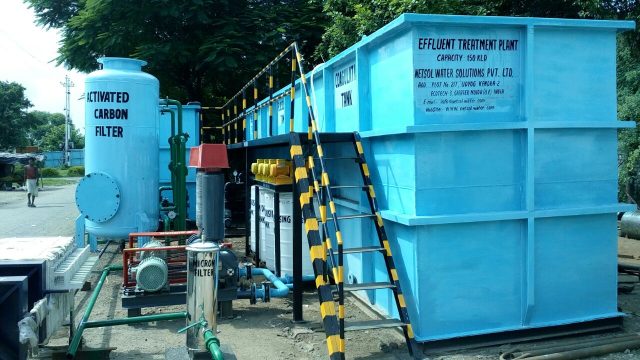
Depending on the kind of effluent, different effluents require different treatments. Wastewater enters the effluent or sewage treatment facility and through many processing steps before being released into the environment. But the question arises, what is an effluent treatment plant and is there any requirement for effluent treatment?

Let’s understand what is effluent treatment!

It is possible to treat waste water and adhere to pollution board disposal guidelines by using an effluent treatment plant (WWTP).

Wastewater treatment is used in ETP plants to handle contaminants such suspended particles, oil and grease, heavy metals, organic and inorganic debris, and more. It is possible to treat using a batch technique or continuous flow process. Chemical treatment, biological treatment, a combination of chemical and biological treatment, and heat treatment are the different types of wastewater treatment facilities.

Is there any requirement for effluent treatment?

Globally, the industrialisation process is damaging the environment. Due to ineffective industrial wastewater treatment, India also has serious environmental issues, which is especially concerning considering the country’s burgeoning small-scale manufacturing sector. As a remedy for industrial pollution discharge, the employment of cleaner production methods and waste reduction techniques is growing in popularity. Effluent Treatment Plants (ETPs) are one of the viable options for effective wastewater treatment for small and medium-sized industries.

An Effluent Treatment Plant (ETP) is a critical component of the production process when it comes to wastewater, the site’s sewer/drainage system, and the contaminants with their corresponding limit values that must be attained. Also, the ETP aids environmental regulatory authorities in more successfully enforcing pollution reduction and environmental improvements by minimizing the number of disposal points in an industrial estate. A sanitary sewer or surface water may be used to dispose of the cleaned industrial wastewater (or effluent).

effluent treatment plant

Importance of ETP

Energy is conserved, trash is cleaned up using economical operations, and regulatory requirements are met by effluent treatment facilities.

Fundamentally, the design of an effluent treatment plant is heavily influenced by the industry and location. Location and wastewater characteristics should be taken into consideration when designing effluent treatment plants. The quality of treated and untreated effluent is strongly taken into account while building a wastewater treatment facility. When choosing a course of treatment, a number of additional factors must be taken into consideration, including the effectiveness, cost, and dependability of the course of treatment.

Goals to accomplish

To clean and reuse wastewater from industry.

Restricting the use of potable and freshwater in industry.

To reduce operational production costs or the amount spent on water purchases.

To avoid severe penalties, abide by government regulations regarding the emission or discharge of environmental toxins from various businesses.

To prevent pollution and promote long-term growth while protecting the environment.

Industrial effluent treatment process:

The treatment of different effluents varies depending on the type of effluent. Before being discharged into the environment, wastewater enters the effluent or sewage treatment facility and is processed multiple times. The industrial wastewater treatment plant process includes the following phases:

  1. The goal of preliminary treatment is to physically separate large pollutants. This level/process consists of the following:

In a waste water treatment facility, screening is the first unit activity. A screen is a device with uniform apertures that is used to remove large floating solids.

Sedimentation is a physical water treatment method that uses gravity to remove suspended materials from water.

Grit Chamber

The wastewater that flows through the grit chamber removes dense inorganic materials like gravel, metal shards, and sand that have made their way into the sewers.

Clarifiers are tanks that are mechanically designed to continuously remove sediments accumulated by sedimentation prior to biological treatment.

Primary treatment:

Its goal is to remove items that float and settle, such as suspended solids and organic waste. This therapy employs both physical and chemical approaches. It contains the following items:

Flocculation is a physical process that does not involve the neutralization of charges. It entails aggregating destabilized particles into large aggregates that can be easily removed from water.

Coagulation is the process of introducing coagulants into a liquid in order to rapidly settle minute solid particles into a larger bulk. It enables particle removal through sedimentation and filtration.

Neutralization:

The main goal of this procedure is to keep the pH in the range of 6-9 so that the various processing units in the ETP system can function properly.

Primary clarifiers:

These are used to reduce the velocity of the water so that organic particles sink to the tank’s bottom and contain equipment for removing floating solids and greases from the surface.

Secondary or biological treatment:

The goal of this treatment is to further treat the primary treatment effluent in order to eliminate suspended particles and residual organics. This stage involves biological and chemical mechanisms.

To clean industrial waste water, the activated sludge process employs air and a biological floc composed of bacteria.

Aerated Lagoons: A waste water treatment pond with artificial aeration to improve biological oxidation.

Trickling filters, also known as sprinkling filters, are widely used in the biological treatment of domestic waste water and industrial waste water.

Tertiary/advanced/disinfection treatment:

The goal of tertiary treatment is to provide a final treatment step to improve effluent quality before it is reused, recycled, or released into the environment.

Following primary and secondary treatment, chemical coagulation and sedimentation are used to promote particle removal from effluent.

Filtration:

To ensure high quality water, the cleared wastewater is routed to a nearby filtration facility, which consists of massive filter blocks.

Pressure is used to drive effluent through a membrane that holds impurities on one side while allowing clean water to pass through on the other in reverse osmosis.

UV Disinfection:

It is thought to be an excellent industrial waste water disinfectant. It leaves no residual disinfection in the water because it maintains water purity. It produces no byproducts of disinfection.

What do we offer?

Specialized wastewater management is necessary because wastewater composition varies. Because every project is unique, our professionals at Netsol will help you choose the method that will treat wastewater the best.

The most difficult water treatment or wastewater treatment requirements of a wide range of clients, including small businesses, companies, and regional government agencies, are handled by Netsol by combining cutting-edge technology with years of experience.

For further information, contact us at +91 9650608473 or email at enquiry@netsolwater.com.


Screenshot-11-1-1280x719.png

Reverse Osmosis (RO) technology is an effective method for water purification that is widely used in both commercial and domestic settings. RO technology utilizes a semipermeable membrane to remove contaminants and impurities from water, producing clean and safe drinking water. While both commercial and domestic RO plants use the same technology, there are significant differences in their design, capacity, maintenance, and cost. Understanding these differences is important for individuals and businesses seeking to select the right RO plant for their specific needs.

In this blog, we will explore the key differences between commercial and domestic RO plants, highlighting their unique features, applications, and benefits.

What really commercial and industrial RO plants are:

Commercial and industrial RO plants are large-scale water treatment systems designed to meet the water needs of various industries and commercial applications. These plants are typically designed to handle large volumes of water, ranging from hundreds to thousands of gallons per day, and are capable of treating water from a variety of sources, including groundwater, surface water, and wastewater.

Commercial and industrial RO plants are used in a wide range of industries, such as food and beverage production, pharmaceuticals, chemical manufacturing, and power generation. In these industries, purified water is often required for various processes, such as cleaning, mixing, and cooling, and must meet strict quality and safety standards. RO technology is an effective method for removing complex contaminants and impurities from water, making it a popular choice for industrial water treatment.

Commercial and industrial RO plants typically consist of several key components, including a pre-treatment system, a high-pressure pump, a membrane assembly, and a post-treatment system. The pre-treatment system is designed to remove large particles and sediments from the water before it enters the RO membrane assembly. The high-pressure pump then pressurizes the water and forces it through the RO membrane, where contaminants and impurities are removed. Finally, the post-treatment system is used to further refine the purified water, ensuring that it meets the required quality and safety standards.

Overall, commercial RO plants and industrial RO plants are essential for ensuring that various industries have access to clean and safe water for their operations. These plants play a critical role in meeting environmental regulations, reducing water waste, and promoting sustainable water use in various industries.

Why do commercial and domestic RO plants even come into existence:

Reverse Osmosis (RO) technology was developed in the mid-20th century as a method for desalinating seawater for military use. As technology advanced, RO became an increasingly popular method for water purification, especially in areas where access to clean and safe drinking water was limited.

In the commercial sector, RO plants were developed to meet the demands of various industries, such as food and beverage, pharmaceuticals, and chemical manufacturing. These industries require large volumes of purified water for their operations and must comply with strict environmental regulations. RO technology is an effective method for removing complex contaminants and pollutants from wastewater, making it a popular choice for industrial water treatment.

In the domestic sector, RO plants were developed to provide households with a reliable source of purified drinking water. In many areas, the quality of municipal water is poor, and access to clean and safe drinking water is limited. Domestic RO plants are designed to remove common contaminants found in household water, such as chlorine, bacteria, and sediments, providing households with a source of clean and safe drinking water.

Overall, RO technology and RO plants were developed to address the growing demand for clean and safe drinking water. As access to safe water becomes increasingly important, RO technology is expected to continue to play a significant role in water purification and treatment.

Where is the difference?

Capacity

The primary difference between commercial and domestic RO plants is their capacity. Commercial RO plants are designed to handle large volumes of water, while domestic RO plants are designed for household use and can handle smaller volumes of water.

Commercial RO plants are used in various industries, such as food and beverage, pharmaceutical, and chemical manufacturing. These industries require large volumes of purified water for their operations, and commercial RO plants are designed to meet these demands. Commercial RO plants can purify thousands of liters of water per hour, making them ideal for industrial use.

Domestic RO plants, on the other hand, are designed for household use and can typically purify around 10-20 liters of water per hour. Domestic RO plants are suitable for small families or individuals who require purified water for drinking and cooking purposes.

Complexity

Commercial RO plant are more complex than domestic RO plants. Commercial RO plants are designed to handle a wide range of contaminants and pollutants found in industrial wastewater. These contaminants can be more challenging to remove than those found in domestic wastewater. As a result, commercial RO plants require a more complex treatment process that includes multiple stages of purification.

Domestic RO plants, on the other hand, have a simpler design and are designed to remove contaminants commonly found in household water, such as chlorine, bacteria, and sediments. Domestic RO plants typically have a pre-filter, an RO membrane, and a post-filter.

Maintenance

Commercial RO plants require more maintenance than domestic RO plants. Commercial RO plants have a more complex design and require regular maintenance to ensure they are operating efficiently. Regular maintenance includes replacing filters, cleaning membranes, and checking for leaks.

Domestic RO plants, on the other hand, require less maintenance than commercial RO plants. Domestic RO plants typically have a lifespan of 2-3 years, after which the RO membrane and filters need to be replaced. However, regular cleaning and maintenance are still required to ensure the system is functioning properly.

Cost

Commercial RO plants are more expensive than domestic RO plants. Commercial RO plants require a more complex design, larger capacity, and more advanced technology, which increases their cost. Additionally, commercial RO plants require more maintenance, which adds to the overall cost.

Domestic RO plants are less expensive than commercial RO plants. Domestic RO plants have a simpler design, smaller capacity, and fewer components, which makes them more affordable. Additionally, the cost of maintenance for domestic RO plants is lower than that of commercial RO plant.

Applications

Commercial RO plant are used in various industries, such as food and beverage, pharmaceutical, and chemical manufacturing. These industries require large volumes of purified water for their operations, and commercial RO plants are designed to meet these demands. Commercial RO plants are also used in hospitals, hotels, and other commercial settings.

Domestic RO plants are used in households for drinking and cooking purposes. Domestic RO plants are also used in schools, small offices, and other small commercial settings.

Conclusion:

In conclusion, commercial and domestic RO plants differ in their capacity, complexity, maintenance, cost, and applications. Commercial RO plant are designed to handle large volumes of water and remove complex contaminants found in industrial wastewater. Domestic RO plants are designed for household use and remove common contaminants found in household water. Understanding these differences can help individuals and businesses select the right RO plant for their specific needs. It is essential to consider factors such as capacity, maintenance, and cost when selecting an RO plant to ensure that it meets the specific requirements and budget.

It is also important to note that both commercial and domestic RO plants play an important role in ensuring access to safe and clean water. Commercial RO plants help industries meet environmental regulations and reduce their impact on the environment, while domestic RO plants provide households with a reliable source of purified water. In both cases, RO technology is used to remove contaminants from water and make it safe for consumption.

Overall, the key differences between commercial and domestic RO plants are their capacity, complexity, maintenance, cost, and applications. While these differences may seem significant, both types of RO plants serve an important purpose in ensuring access to safe and clean water.

To get in touch with us and to relish the benefits of our services, call us at +91-9650608473 or send an email to enquiry@netsolwater.com


Screenshot-11-1280x719.png

Water is an essential resource for life, and it is used in various industries and sectors for different applications. However, water is not always readily available in its purest form, and it can contain impurities that make it unsuitable for consumption or use. Industries such as pharmaceuticals, food and beverage, and power generation require high-quality water that is free from impurities to ensure that their products are safe and of high quality. water treatment plants provide the best commercial ro plant in affordable range.

A commercial RO plant is a water treatment system that uses the process of reverse osmosis to remove impurities from water, ensuring that the final product is safe, pure, and of high quality. The reverse osmosis process involves forcing water through a semi-permeable membrane under pressure, which separates the water molecules from the impurities.

Our plant is a high-performance water treatment system that is designed to remove impurities from water through the process of reverse osmosis. It is widely used in various industries and applications where high-quality water is essential for production, process, and consumption.

In this article, we will explore the working principle, components, applications, and benefits of a plants, along with the industries and sectors that use it.

Why Commercial RO came into picture:

Commercial RO plants were developed to address the need for high-quality water in various industries and sectors. Traditional water treatment methods, such as filtration and disinfection, were not always effective in removing all the impurities from water, especially in industries where high-purity water is critical for their production processes. These industries require water that is free from contaminants, minerals, and other impurities that could affect the quality and safety of their products.

Reverse osmosis technology was developed in the mid-20th century and has since become an essential water treatment technology. Reverse osmosis can remove a wide range of impurities, including dissolved solids, bacteria, viruses, and other contaminants, from water. Commercial RO plants were developed to use this technology on a larger scale to meet the demand for high-quality water in various industries and sectors.

The development of commercial RO plants has revolutionized water treatment in many industries, providing safe, pure, and high-quality water for production, process, and consumption. As the demand for high-quality water continues to increase, the use of commercial RO plants will become more widespread, and new technologies and innovations will emerge to improve their efficiency and effectiveness.

Working principle of Commercial RO Plant:

A commercial RO plant uses the process of reverse osmosis to remove impurities from water. The process involves the use of a semi-permeable membrane that allows water molecules to pass through while blocking the impurities.

The water is first pre-treated to remove any suspended solids and other impurities that can damage the membrane. The pre-treated water is then passed through a series of RO membranes under high pressure. The RO membrane has tiny pores that only allow water molecules to pass through, while blocking the impurities.

The water that passes through the RO membrane is called permeate, while the impurities that are blocked by the membrane are called concentrate or reject. The concentrate is discharged, while the permeate is collected and stored for further use.

Components of a Commercial RO Plant:

A commercial RO plant consists of several components that work together to produce high-quality water. The major components of a commercial RO plant are:

  1. Pre-treatment System: This system is used to remove suspended solids, organic matter, and other impurities that can damage the RO membrane. It consists of several stages such as sedimentation, filtration, and chlorination.
  2. High-Pressure Pump: This pump is used to increase the pressure of the pre-treated water to a level that is sufficient to pass through the RO membrane.
  3. Reverse Osmosis Membrane: This is the heart of the RO plant. The membrane is made of a semi-permeable material that allows water molecules to pass through while blocking the impurities.
  4. Membrane Housing: This is the container that holds the RO membrane. It is designed to withstand high pressure and temperature.
  5. Pressure Vessel: This vessel is used to hold the RO membrane housing and to maintain the required pressure during the filtration process.
  6. Control Panel: This panel is used to monitor and control the entire RO plant. It consists of several instruments such as pressure gauges, flow meters, and conductivity meters.

Applications of a Commercial RO Plant:

A commercial RO plant is widely used in various industries and sectors where high-quality water is essential for production, process, and consumption. Some of the major applications of a commercial RO plant are:

  1. Food and Beverage Industry: The food and beverage industry uses a large amount of water for processing, cleaning, and sanitation. A commercial RO plant is used to provide high-quality water for these applications, ensuring that the final product is safe and of high quality.
  2. Pharmaceutical Industry: The pharmaceutical industry requires high-quality water for the production of medicines and drugs. A commercial RO plant is used to remove impurities from water, ensuring that the final product is pure and safe.
  3. Chemical Industry: The chemical industry uses water for various applications such as cooling, heating, and production. A commercial RO plant is used to provide high-quality water for these applications, ensuring that the final product is of high quality and meets the required standards.
  4. Power Generation Industry: The power generation industry uses water for cooling and other applications. A commercial RO plant is used to provide high-quality water for these applications, ensuring that the equipment is not damaged and the efficiency of the power plant is maintained.
  5. Hospitality Industry: The hospitality industry uses water for various applications such as laundry, cleaning, and drinking. A commercial RO plant is used to provide high Hospitality Industry: The hospitality industry uses water for various applications such as laundry, cleaning, and drinking. A commercial RO plant is used to provide high-quality water for these applications, ensuring that the guests are provided with safe and clean water.

Benefits of a Commercial RO Plant:

  1. Removes Impurities: A commercial RO plant removes impurities from water, ensuring that the final product is safe, pure, and of high quality.
  2. Saves Money: A commercial RO plant can save money by reducing the need for expensive chemicals and maintenance of equipment due to the removal of impurities.
  3. Increases Efficiency: A commercial RO plant increases efficiency in various industries by providing high-quality water for production, process, and consumption.
  4. Environmentally Friendly: A commercial RO plant is environmentally friendly as it reduces the use of chemicals and other harmful substances.
  5. Improves Health: A commercial RO plant provides safe and clean water, which improves health and reduces the risk of water-borne diseases.

Conclusion:

In conclusion, it is a highly efficient water treatment system that is used in various industries and sectors where high-quality water is essential. It uses the process of reverse osmosis to remove impurities from water, ensuring that the final product is safe, pure, and of high quality.

The components of a ro plant work together to produce high-quality water, and the control panel monitors and controls the entire process. The major applications of a commercial RO plant are in the food and beverage industry, pharmaceutical industry, chemical industry, power generation industry, and hospitality industry.

Overall, a it is an essential component in many industries and sectors, ensuring that high-quality water is available for production, process, and consumption. Its efficiency and effectiveness make it an indispensable tool for modern-day businesses and industries.

Why choose Netsol!
  • Netsol Water Solutions has expertise, quality, service, and customization as some of its main selling points.
  • The team has over a decade of experience in the water treatment industry and can provide tailored solutions.
  • Netsol Water Solutions uses high-quality components and materials in their commercial RO plants to ensure durability and reliability.
  • We provide excellent after-sales service and support, with a 24/7 team of technicians available for maintenance and repairs.
  • Customization is a key feature of Netsol Water Solutions, as they create solutions based on the specific needs of each client.

To know more, get in touch with us by placing a call at +91-9650608473 or email at enquiry@netsolwater.com

Netsol Water

Headquarter

Plot No. 164,

Udyog Vihar Extension,

Surajpur, Greater Noida,

Uttar Pradesh 201306
+ 91-9650608473

www.netsolwater.com

info@netsolwater.com

LOCATIONS

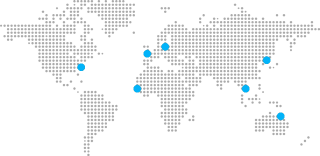
We Are Everywhere in India & Overseas.


GET IN TOUCH

Follow Our Activity

TO get an update about our daily activity just follow us and Join the Hands to Save Mother-Earth