Uncategorized Archives - Page 5 of 7 - Water Treatment Plants

Water that is used by people, whether for home or industrial purposes or to collect rainfall in sewers, eventually becomes wastewater. It has a wide range of toxins that cause water contamination that affects both people and the environment. When dumped directly into water supplies, such water tends to kill marine life and result in serious diseases in people. Therefore, before being released into the environment, the effluent has to be cleaned and filtered.

Wastewater treatment entails a number of carefully thought-out methods to remove every contaminant from the water. It receives treated on the primary, secondary, and tertiary levels, respectively. Screening, and sedimentation filtering, are often used in the process, which is then finished up with a chemical step such reverse osmosis and disinfection. There are several businesses that provide wastewater treatment facilities. The top 10 wastewater firms in India that provide the greatest services for protecting mother nature are listed below.

1.Netsol water solutions

The manufacturing of STP plants, ETP plants, WWTP plants, and WTP plants, as well as the provision of energy management, asset management, automation solutions, and waste management, are all areas in which Netsol Water takes great pride in introducing itself as a leading water and wastewater treatment company in India.

For residential, industrial, commercial, and clients, Netsol Water is a one-stop utility partner that helps them increase resource productivity and bottom lines while preserving the environment. We provide cutting-edge technology like water softeners, industrial RO water plants, commercial RO plants, sewage treatment plants, and effluent treatment plants.

 2.VA Tech Wabag

98-year-old Tech VA Wabag’s present headquarters are in Vienna, Chennai and Austria,  serves as the location of the company’s Indian headquarters. As the industry leader, the business offers wastewater solutions on four continents. Sludge treatment, saltwater desalination, and industrial water treatment are just a few of Wabag’s well-known wastewater services. The business features cutting-edge R&D facilities in Austria, Switzerland, and India.

3.Thermax India

Thermax India, one of the leading wastewater treatment businesses in India, was established in 1980. Its headquarters are in Pune, Maharashtra, and it offers an immediate solution to the wastewater problem for both businesses and Municipal Corporation. The company’s products include particular chemicals, water treatment solutions, waste management solutions, and solutions for heating, cooling, and water. Among the services offered by the organisation are large furnaces for steaming and power production, entire power plants, municipal and industrial wastewater treatment facilities, waste heat recovery systems, and air pollution control projects.

4.G.E. Water

GE Water, which has been around for more than a century, is the most well-known wastewater firm. It is a corporation with a US base that today provides services to many other parts of the world. Bengaluru, Karnataka, is home to the GE Water office for India. The business provides a variety of wastewater treatment options, including reverse osmosis, filters, and cooling tower treatment.

5.Siemens Water Technologies

Siemens is renowned for its brilliance in the manufacturing industry, and they have quenched the nation’s thirst with their water innovations. The company, which has its headquarters in Germany, opened an office in Mumbai, Maharashtra, in 1969. Water treatment facilities, wastewater treatment, industrial and municipal wastewater treatment, and drinking water treatment are just a few of the many services the organisation provides.

6.Aqua Innovative Solutions

Aqua Innovation attempts to engineer environmental problems by offering agricultural wastewater solutions. The business uses the innovative NuWay technology, which results in the creation of clean water as a byproduct. The NuWay process reduces the need for more agricultural land to spread manure while also maintaining the essential source of life-water.

7.Ion Exchange

Popular water treatment firm Ion Exchange, once located in the UK, now has its corporate headquarters in Mumbai, Maharashtra. It offers wastewater treatment options for a variety of wastewater types, including household, industrial, institutional, and commercial wastewater. The business has a cutting-edge R&D staff and partnerships with major international water treatment firms. Numerous facilities, such as those for wastewater treatment, water recycling, and product regeneration, are included.

8.SFC Environmental Technologies

SFC is a global environmental technology firm with a focus on treating municipal sewage and solid waste. About 500 biological nutrient removal facilities are owned by the firm. It can produce 10,000 MLD of high-quality recycled water each day. The MSW Plant in Goa is the first completely automated one in India to be SWM 2016 compliant. Products from SFC include disc filters, turbo blowers, and solar-powered sludge drying.

  1. UEM India Pvt Ltd

UEM India Pvt Ltd, situated in Noida, Uttar Pradesh, is a company that specialises in wastewater treatment. The business is a Toshiba Water Solutions subsidiary. With the planning, building, and installation of household water treatment and wastewater treatment facilities, it offers wastewater treatment solutions. The organisation, which has offices in 30 countries, has worked on several initiatives to fix natural problems.


  1. Voltas Ltd.

A part of the TATA company that specialises in the treatment of industrial and wastewater is called Voltas Water and Treatment. The firm, which has been around for almost 40 years, wants to create a healthier country. The effluent treatment plant, sewage treatment plant, zero liquid discharge plant, and water treatment plant are the major areas of emphasis. Sequence Batch Reactors (SBR), Moving Bed Biofilm Reactor (MBBR), and technologies like ultrafiltration and reverse osmosis are just a few of the products the company offers to meet these needs.

Do you like to know more about the further sewage treatment technologies that Netsol Water Solutions offers? Get in touch with Netsol Water Solutions for water treatment advice!

Phone number: +91 9650608473;

Send inquiries to enquiry@netsolwater.com.
Wastewater is used water that needs to be treated before being discharged into another body of water in order to prevent additional contamination of water sources. There are many different sources of wastewater. Wastewater is anything that you flush down the toilet or pour down the drain. Nearly 2 million people every year die from diseases caused by contaminated drinking water worldwide. Many of these deaths are indirectly caused by poor water sanitation. In order to stop these numbers from increasing further, Runoff and rainwater from the streets, combined with other contaminants, finally make their way to a wastewater treatment plant.

Wastewater treatment is essential, and it applies to both your house and perhaps a more underdeveloped nation or hamlet. There are three different sorts of wastewater treatment procedures, but they all aim to clean the water of pollutants and sewage so that it may be used again or discharged. Sewage treatment plants, effluent treatment plants, and combined effluent treatment plants are the three different types of wastewater treatment processing facilities.

Netsol brings to you a pool of knowledge regarding the wastewater treatment and the only thing you have to do is to dive into it by scrolling through the page. Let’s get benefited by knowing each of the waste water treatment:

1.Sewage Treatment Plants                                               

The wastewater that flows out of your house is often cleaned at sewage treatment plants. These facilities clean the sewage and wastewater that leave homes each day of pollutants. Chemical, physical, and biological pollutants are used in the processes. Many of the bigger things transported by this water are removed by a strainer, while many of the smaller particles are managed by chemical compounds. The strainer then sends the majority of the larger amounts of rubbish it has gathered to a landfill. When maintained appropriately, a conventional septic tank aids in reducing the burden of these strainers.

2.Effluent Treat Effluent (ETP)

Effluent treatment facilities (ETPs) are more chemically oriented since major industrial and pharmaceutical enterprises frequently employ them. An ETP’s objective is to purify water in order to aid in environmental protection because these companies operate in sectors that generate chemical runoff. To drive the chemical processes, these facilities employ evaporation, microscopic filtration, and other drying techniques.

3.Combined and Common Effluent Treatment Plants (CETP)

Smaller businesses rely on a combined networking system of plants to assist clean out wastewater since they do not have the space, time, or resources to set up their own treatment facilities. In order to limit the impact of these businesses’ impacts, combined effluent treatment facilities are frequently erected in industrial areas that produce pockets of pollution. The facilities are interconnected to properly remove wastewater while preventing any one system from working too hard.

Conclusion:

Protecting people and the environment from the hazardous and destructive substances contained in wastewater is the primary objective of wastewater treatment plants. Because the natural process of cleaning water is overburdened, water treatment facilities were created to accelerate the natural process. These facilities are used to cleanse wastewater in a variety of methods before reintroducing the clean water to the environment.

Check out our eco-friendly products to see how they may assist you in waste water treatment in the best possible way. Visit us online or call on +91-9650608473 or email at enquiry@netsolwater.com to learn more.

Commercial RO Plant spare parts


A revolution in the water treatment sector is being brought about by Netsol Water Solutions, a well-known brand worldwide. We are presently acknowledged as one of India’s top producers and suppliers of RO water plants, water filters, water dispensers, and RO replacement parts.


We have a well-established manufacturing facility that enables us to create and manufacture, top RO parts that guarantee water purity. Our reverse osmosis spare parts are produced in strict accordance with industry norms and regulations, using premium raw materials and cutting-edge processes.


To ensure 100% clean and secure water, Commercial RO plants need to replace RO filters, membranes, and other RO spare parts on time. Without replacement, issues including leaking, noisy operation, foul odour, and water with a harsh taste may arise.


In this blog, let’s discuss about the various commercial RO spare parts.


Factors that need to be considered while replacing RO Spare parts


Before choosing to replace the RO Water Plant’s spare parts, please take into account the following criteria.


  1. TDS (Total Dissolved Solids) or hardness level of the input water.
  2. Impurity level in the input water.
  3. The volume of water that the RO plant must treat.


The filters and RO membrane need to be changed every six months if the water has a very high impurity level, a high TDS level, or if huge amounts of water need to be cleansed. To stop the carbon filter and RO membrane from clogging, the sediment filter is made to remove dirt from the water.


To prolong the lifespan of the RO membrane and prevent unwanted flavours and odours, from contaminating the purified water, the carbon filter must be changed on a regular basis.

Consequently, it is advised to replace both filters at least once a year.


  • Commercial RO spare parts


Name of spares Price
Ultra Violet light water filter Rs. 4,999/
Solenoid Valve Rs. 20 /mm
Pressure Gauge S.S. Gel Filled Pressure measuring range-100 psi


Rs. 499/
Activated Carbon block (2.5 x 20 inch)
Rs. 599/
Slim Cartridge filter 5 Micron (2.5 x 20 inch)
Rs. 239/
Jumbo Cartridge filter 5 Micron (4.5 x 20 inch)
Rs.369/
RO membrane Housing
Rs. 2,799/
RO Membrane Housing
Rs. 12,999/
Bag filter
Rs. 649/
TDS meter
Rs. 299/
Low pressure switch
Rs. 1,299/
High pressure switch
Rs. 1,299/


Benefits of Commercial RO spare parts


  1. Obtain 100% safe, pure, and clean water.
  2. Prolonging the lifespan of the RO plant.
  3. Boost the RO plant’s performance.
  4. Lower the expense of upkeep.


Why should you choose Netsol Water Solutions?


In India, Netsol is one of the top manufacturers of RO Spare Parts in India. We stand by our commitment to high quality and knowledgeable services. We already have a strong customer base, and we want to keep everyone satisfied while expanding it.


You can choose from the options we have listed above and get RO components, based on your needs. We are happy to help you. We also provide Commercial RO Plant installation and maintenance services. For any other support, inquiries, or product purchases, call on +91-9650608473 or email at enquiry@netsolwater.com.

The process of turning wastewater—water that is no longer required or appropriate for use—into bilge water that can be released back into the environment, is known as wastewater treatment. Several actions, such as bathing, washing, using the bathroom, and rainfall runoff, as well as industrial activities can cause it to occur.


Depending on the final use of the water, the precise method of treatment might take a variety of different forms. For instance, purifying water that is pumped into homes differs from treating wastewater in industries, so that it can be released back into the environment.


In one situation, the objective is to remove pollutants to stop them from entering the environment, whereas in the other, the objective is to ensure that the water that people consume and take bath in, is as pure and secure as possible.


Let us go through the 5 basic steps of wastewater treatment.


Treatment of wastewater


Even though not all wastewater is created equal, the cleaning procedure must be vigorous enough to remove pathogens, toxins, and heavy metals from even the most contaminated wastewater.


Although, the water must be treated in at least five steps, the required amount of intensive treatment to make wastewater acceptable to discharge into the environment is far less. The different steps involved in wastewater treatment are as follows:


  1. Preliminary treatment


It includes screening. Incoming wastewater from the sewage system, referred to as influent, enters the plant several levels below ground. Wastewater is filtered by bar screens as it enters the plant to remove debris like leaves, twigs, and plastic bags, food wrappers, bottles, and sanitary wet wipes.


The trash and debris are gathered and transported by truck to landfills. The effluent from the screens is then pumped up to the facility’s surface level, by the main sewage pumps.


Machine and equipment issues persist if this step is not followed. Grit that is typically swept down into the sewer systems by rains, is removed using equipment that has been specially developed for the job.


  1. Primary treatment


The macrobiotic solid materials must be separated from the wastewater in this process. The wastewater is first treated by being poured into large tanks, where the solids are allowed to settle to the surface.


Large scrappers are used to remove the sludge, or solid waste that collects at the surface of the tanks, push it to the centre of the cylinder-shaped tanks, and then pump it outside the tanks, for further processing.


After that, the residual water is pumped for further processing. The water flow slows down as it enters the principal settling tanks. From the surface of the tanks, the lighter solids that float, including oil and small pieces of plastic are removed.


  1. Secondary treatment


The secondary treatment stage, adds seed sludge to the wastewater to guarantee that it is further broken down. In order to mix the wastewater and seed sludge, which is essentially a small amount of sludge, air is first fed into large aeration tanks.


This process promotes the growth of bacteria that use oxygen as well as other small microorganisms, which eat the residual organic matter. Large particles produced as a result of this process, collect in the bottom of the enormous tanks. The enormous tanks allows the effluent to pass through for 3-6 hours.


  1. Tertiary treatment


This stage, which prepares wastewater for re-use, is comparable to the one utilized by drinking water treatment facilities. Up to 99 percent of the pollutants in the wastewater can be eliminated at the tertiary treatment stage. Because, it involves specialised equipment, highly qualified equipment operators, chemicals, and a consistent energy source, this process is unfortunately somewhat expensive.


In this step, sodium hypochlorite is added, a substance also included in home bleach, to disinfect cleaned-up wastewater and get rid of any lingering pathogens. UV, ozone and RO Plants are also utilized in this step of wastewater treatment. As a result, the effluent water can be then discharged into nearby waterways.


  1. Advanced treatment


To further separate the water from the solid material after primary and secondary treatment, the sludge is thickened, and put into digesters, which are tanks that keep a low-oxygen environment at a temperature of about 98°F. The sludge is broken down by organisms that flourish in an anaerobic environment, and a large portion of the material is transformed into biogas, also known as methane gas.


The wastewater resource recovery facilities can generate heat and energy from the biogas, emitted during sludge digestion. It can be supplied to the community as renewable natural gas once it has been cleansed.


Get one of the best quality wastewater treatment plants from Netsol Water Solutions!


Wastewater treatment is a crucial aspect of environmental preservation that needs to be promoted on a global scale. Netsol Water Solutions provides the top and high-quality wastewater treatment plants, at affordable prices, as well as per the requirements of the industry.


For any other support, inquiries, or product purchases, call on +91-9650608473 or email at enquiry@netsolwater.com


Netsol Water

Headquarter

Plot No. 164,

Udyog Vihar Extension,

Surajpur, Greater Noida,

Uttar Pradesh 201306
+ 91-9650608473

www.netsolwater.com

info@netsolwater.com

LOCATIONS

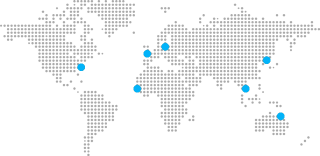
We Are Everywhere in India & Overseas.


GET IN TOUCH

Follow Our Activity

TO get an update about our daily activity just follow us and Join the Hands to Save Mother-Earth