Sewage Treatment Plants Archives - Page 26 of 26 - Water Treatment Plants

cover-1-1280x721.jpg

Any industrial or commercial facility, such a food processing plant or manufacturing company, produces and discharges effluent discharge, which is also referred to as “wastewater.” There are rules you must follow, and each business is in charge of its own waste. Effluent can be defined as It is an unwanted consequence of using water. The water that is utilised when you turn on the faucet or flush the toilet will ultimately reach the ocean and other major bodies of water.

We’ve laid out all the related terms which are important to know about the effluent discharge here. So, let’s get to know more about the effluent discharge..

Discharge of effluent into groundwater or surface waters

You need authorization from your environmental regulator if you are discharging to surface water or groundwater. You risk legal repercussions if you discharge without permission. Rivers, reservoirs, and canals are examples of surface waters. The biggest reservoir of fresh water is groundwater, which is found below the water table.

If they penetrate the aquatic environment, many solids, liquids, and gases can pollute the ecosystem. Chemicals, oils, and waste materials are examples of pollutants. Even milk has the potential to seriously damage the aquatic ecosystem.

Dumping of effluent into sewers:

Sewage companies control the discharge of effluent into the sewer network to safeguard people, the environment, and the sewer system. If your firm flushes trade effluent into the sewer system, such as fats, greases, oils, chemicals, detergents, or heavy metal rinses, you’ll need to get your water and sewage company’s permission or sign a trade effluent agreement before doing so. They will determine the kind, volume and strength of effluent you are allowed to discharge as well as the fees your company will have to pay. You risk legal action, penalties, and even incarceration if you discharge without the proper agreement.

Sludges and screens are only two examples of the items from your effluent treatment plant that must be disposed of as trash. Up until it is recycled or disposed of, your company is legally responsible for its waste. This covers all phases of handling and storage.

Effluent Discharge

Your obligations regarding waste:

You could require a waste management licence from your environmental regulator if you (or your contractor) spread sludge from your effluent treatment plant on land. Though you might be able to file an exemption, it is crucial that you first talk through any ideas with your environmental regular. You must make sure your operations don’t endanger human health or endanger plants, water, air, soil, or animals, regardless of whether you have a licence, permission, or are exempt. Additionally, you must refrain from any action that might harm the surrounding area or points of interest, like making noise, emitting odours, or creating a disturbance in general.

Recommendations:

There are several approaches to make sure you manage wastewater discharge in accordance with best practises. Most essential, you should always adhere to the precise requirements of any permit or authorization you get from an environmental regulator or a sewage business. You may use the following additional recommended practises to reduce your wastewater discharge:

Better process control

A strong incoming flow can be minimised with the use of effective process management. For instance, flow and load balancing can lessen the shock loads on your treatment facilities. In an emergency, you might also think about using an offline tank as a holding tank.

Reduce the amount of cleaning agents you use

Use caution while using cleaning chemicals since they might be particularly harmful to the aquatic environment. One strategy is to get rid of as much product as you can before cleaning the machinery. For instance, factories frequently use pigging systems to move products to the following step of manufacturing.

Enclose drains

Grates covers and grease traps can lessen the amount of waste that enters the sewer system in the food and beverage manufacturing industry. Never use water to clean up spills; always use a brush or a vacuum.

Reduce the volume.

The Mogden Formula serves as the foundation for most discharge consents. The expenses of disposal increase as you discharge more and send more waste goods for discharge.

Maximize storage space

By making sure you have enough storage space for the amount of sludge your business produces, you may limit the amount of sludge you distribute on land.

Conclusion:

The discharge of effluents from your industrial or commercial property is your duty, and you must obtain the necessary permission from the relevant organisations or authorities as described in this article to avoid penalties and legal action.

The wastewater and dewatering team at Netsol water solutions has specialised understanding in commercial and industrial water treatment, allowing wastewater to be reused and lowering outflow. Place a call at +91-9650608473 or by email at enquiry@netsolwater.com  to learn more about how our solutions can be of use to you.

etp-netsol-1280x869.png

Based on where it comes from, waste water may be divided into two major groups. They include industrial wastewater and sewage treatment plant. Industrial effluent is wastewater produced by different industries, whereas sewage is wastewater produced by residential areas like communities.

The basic difference between the effluent and the sewage treatment plant lies at origin or source of generation. Here we are going to know about the differences clearly….

What is Effluent?

Sewage treatment plant that has been cleaned up in a sewage treatment facility or septic tank is called effluent. It is also known as “wastewater” or “trade effluent.” Effluent is waste that is not surface water, residential sewage, kitchen or bathroom trash. Any industrial or commercial facility is capable of producing and discharging it. Effluent typically drains from the property directly into the main sewer network, and it must be cleaned and treated before it can enter a river, stream, reservoir, or lake.

Typically, effluent comprises one or more pollutants, such as:

  • Chemicals, oils, Fats, and greases (FOGs)
  • Solids, food waste, heavy metal rinses, and detergents

Strict regulatory standards must be met by industrial effluent released from processing and manufacturing facilities. These regulations are intended to safeguard groundwater and surface water resources. The following six issues will affect wastewater treatment in the future:

  • Reduced operating costs,
  • Increased efficiency through optimization,
  • Stricter environmental restrictions,
  • Water shortages and the push for reuse,
  • Evolving technology, and subproduct recovery.

Sludge is a byproduct of many facilities’ effluent treatment plant that, if properly dewatered, may be utilised as a soil component to fertiliser.

compact sewage treatment plant

What is sewage?

The tainted water from residences, workplaces, and educational institutions is referred to as sewage. It comes from things like showers, toilets, washing machines, and dishwashers. Feces, soaps, urine, detergents, food particles, rags, hair, paper, toys, dead goldfish, and anything else thrown down down a drain are examples of pollutants. An individual produces 60 to 100 litres of wastewater on average per day. A system of pipes known as sewers transports sewage to a treatment facility for cleaning. The ongoing process of treating wastewater involves eliminating impurities and processing those contaminants into a product that can be recycled safely.

Based on where it comes from, waste water may be divided into two major groups. They include industrial wastewater and sewage. Industrial effluent is wastewater produced by different industries, whereas sewage is wastewater produced by residential areas like communities.

The main distinctions between effluent and sewage are:

SEWAGE EFFLUENT
Domestic wastewater produced by a community of people is referred to as sewage.


This is the waste that any industrial or commercial process dumped into our sewers.
The many drains and pipelines in the neighbourhood carry sewage.


Compared to the rubbish we generate on a daily basis; this is completely different.


This is a concoction of hazardous chemicals.


This can be described as anything that isn’t part of our regular waste stream, such as bathroom waste or other trash.


Usually, sewage consists of water and waste. Sewage refers to the pipe system that carries sewage. It becomes an influent when it reaches the neighbourhood treatment system. It is once more an effluent after being treated and exiting the treatment plant.


Not all wastewater is wastewater, but all sewage is wastewater. Wastewater is water that has been used for its intended use. It can be sewage or grey water in a house. Wastewater from a particular industry might be polluted with alkalis, acids, or oils. The sewage from that facility might or might not go in the same location. Often, pretreatment or treatment is necessary for industrial wastewater.

Conclusion:

From design and engineering to installation, construction, operation, and maintenance, Netsol Water provides a comprehensive one-stop service for water treatment facilities. It has a proven track record of offering effective and affordable technology to carry out several projects in numerous cities, making it one of the leaders in the field of water and waste water management. It can offer the finest capital and operational expenditure ratio solution to achieve low cycle costs as well as the highest institutional knowledge thanks to its design centre and internal technical skills.

Leading producer of water and wastewater treatment plants, Netsol Water is situated in Greater Noida. Based on customer feedback and the calibre of our work, we are the industry’s most demanding organisation. Our USP, aside from this, is our 24-hour customer service. You may reach us by phone at +91-9650608473 or by email at enquiry@netsolwater.com  if you have any questions about our products, services, or support.

sewage-treatment-plant-manufacture-delhi-ncr-netsol-water-solution.jpg

Municipalities mostly employ STPs, or sewage treatment plant, to remove toxic components from sewage. Industries typically employ ETPs, or effluent treatment plants, to address harmful and chemical waste. Both of these plants are crucial for preserving the ecological balance and ensuring that everyone has access to clean water. If wastewater management is ineffective, there will be a severe shortage of clean drinking water.

Sewage treatment plants (STP) deal with this slimy water laden with organic and inorganic garbage. Water that contains a lot of hazardous and chemical waste is called effluent. Numerous chemicals are used by industries, and when they combine with water, they create this effluent. Both sewage and effluent can pose health risks if they are not properly managed.

Here we are going to learn the differences about ETP and STP more clearly. So let’s get going…

Have you ever wondered what makes STP and ETP different? The first distinction is that STP handles sewage and ETP handles effluent. Sewage is created in homes and contains waste products including food waste and animal and human faeces.

In industries, effluent is created, and it contains a lot of harmful and chemical waste. Since organic waste is what sewage treatment plant deal with most of the time, their methods are simpler. Aerobic bacteria break down the waste while solid waste is separated.

Due to the chemicals and toxic material they handle, effluent treatment plants feature intricate systems. They will seriously affect the ecosystem if they are not treated well.

Municipalities use sewage treatment plant. They handle the wastewater generated in populated regions. Once more released into the sewage system is the treated water. This method does not lead to blockage or foul odours. Industries use effluent treatment plants. within the factories

There is a significant volume of wastewater production, and it is teeming with poisonous and chemical waste. These wastes are removed by the plants, which also render the water safe for release into bodies of water.

To ensure they can handle the effluent, both STP and ETP plants need to be built with careful design.

What justifies purchasing a treatment plant?

  • Invest in a wastewater treatment facility to transform dangerous and toxic wastewater into safe water.
  • Due to the industrial revolution, people are consistently producing more wastewater.
  • Such a tremendous amount of garbage cannot be broken down by the microorganisms found in the water bodies. Consequently, rivers
  • Freshwater plants and fish are dying because of the garbage that is clogging the water bodies.
  • Water that contains too many hazardous and chemical substances changes in colour, flavour, and odour. As a result, water quality deteriorates, and outbreaks of heavy metal poisoning and water-borne diseases occur.
  • There is a shortage of water due to the high contamination of the water supply.
  • We should use wastewater in order to preserve the environment’s equilibrium and to keep public water supplies available.
  • Releasing this water into the environment won’t upset the delicate equilibrium. Instead, wastewater treatment will restore the water’s original flavour, colour, and odour. Once more, this water is safe to drink.

What kind of wastewater treatment plant should you get?

You should get STP if you want a plant in your municipality to treat sewage. These plants will cost a little less since they mostly deal with organic waste that can be easily treated.

If you are the owner of an industry, you must establish an effluent treatment facility.  They are sophisticatedly designed to process the hazardous waste and chemicals in the wastewater in order to create safe water that can be released into water bodies without endangering the environment.

You need to carefully plan the plant you are placing. You should see a specialist and get the wastewater tested as a result. They’ll make a list of the many types of impurities in the wastewater and develop a facility that can get rid of them.

The amount of wastewater the plant will have to process will also be taken into account, and it will be built in a way that will make it powerful enough to handle all the trash.

The facility you are constructing should at the very least be equipped to handle all the garbage your factory or municipality generates. If you try to have it created cheaply, the machinery may break down frequently and require maintenance, so you should not be miserly about it and should instead invest in quality machinery and chemicals.

Conclusion:

Netsol water solutions has professionals who can assist you in fully comprehending sewage treatment plants and effective water treatment. To ensure that the wastewater is properly treated, they both need to be carefully planned. In these plants, it is crucial to utilise high-quality equipment and chemicals. Having a reputable business construct your plant will ensure that it is able to deliver the greatest service.

For any other support, inquiries, or product purchases, call on +91-9650608473 or email at enquiry@netsolwater.com

Netsol Water

Headquarter

Plot No. 164,

Udyog Vihar Extension,

Surajpur, Greater Noida,

Uttar Pradesh 201306
+ 91-9650608473

www.netsolwater.com

info@netsolwater.com

LOCATIONS

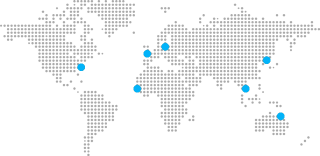
We Are Everywhere in India & Overseas.


GET IN TOUCH

Follow Our Activity

TO get an update about our daily activity just follow us and Join the Hands to Save Mother-Earth