Effluent Treatment Plants Archives - Page 2 of 21 - Water Treatment Plants

Effluent-Treatment-Plant-Manufacturer-Turning-Industrial-Waste-into-Clean-Water.jpg

Effluent Treatment Plant Manufacturer Turning Industrial Waste into Clean Water

Effluent treatment means taking wastewater from industry and turning it into water that is safe to release or reuse. India has many factories and processing plants. India is known for its large industrial zones and its long supply chains. This makes wastewater management a major need. Effluent Treatment Plants help factories meet rules and lower their water use. Clean water is good for communities and for business operations. Netsol Water is the leading Effluent Treatment Plant Manufacturer and it works with many industries to design and deliver practical solutions. In this blog, we will explain why effluent treatment matters and how manufacturers convert waste into clean water.

Importance of effluent treatment for industry

Understanding why effluent treatment matters will help managers make better choices. Industries produce water that contains oils, solids, chemicals and organic matter. If this water reaches rivers or land in its raw form it will damage ecosystems and harm people. A reliable Effluent Treatment Plant Manufacturer gives firms tools to stop that harm and to follow law and permits. Let us have a look on some key aspects that show how treatment protects the environment helps maintain business continuity and supports public health.

Protecting the environment

A good plant removes harmful substances and lowers toxicity before discharge. This action saves fish and plants and it stops toxins from building up in the food chain. When firms install proper treatment they reduce soil pollution and they prevent long term damage to water tables. Clean discharge also lowers the burden on municipal systems. This means towns and cities can manage their water resources with less stress. The result is a cleaner local area and fewer complaints from communities.

Meeting legal requirements

Regulators set limits for what industries can release. The manufacturer will design a system that fits the waste profile and the permit conditions. This reduces the risk of fines and shutdowns. Good designs also make it easier to monitor and report performance to authorities. Clear reporting builds trust and it helps secure future permits for expansion.

Saving water and resources

Many treatment systems allow reuse of treated water for cooling cleaning or irrigation. This approach cuts demand on fresh water sources. It also lowers operational costs over time. A manufacturer who understands reuse can add modules that make recycling simple. Firms that reuse water can advertise lower water footprints.

How an Effluent Treatment Plant Manufacturer converts waste into clean water

Knowing the technical steps helps managers choose the right partner. Let us have a look on some common stages and on how modern practice makes the process efficient and reliable.

Common treatment stages

Most systems follow a path from coarse separation to fine polishing. The first stage removes large solids and grit. The next stage breaks down organic material by biological or chemical means. Later stages filter out fine particles and remove dissolved substances. Final polishing may use activated carbon membranes or other filters. Each stage reduces a specific hazard and it prepares the water for the next step. The plant design will choose pumps tanks and filters that match the flow and the contaminant levels.

Primary treatment

Primary steps focus on physical removal. Screens and grit chambers catch plastics sand and other large items. Sedimentation tanks let heavy particles sink. This reduces the load on biological units. When primary removal works well the later stages run more efficiently. A strong primary design also lowers wear on equipment and it cuts energy use.

Secondary and tertiary treatment

Secondary treatment reduces organic matter and removes biodegradable pollutants. This often uses microbes that feed on organics. Systems use activated sludge or biofilm reactors. Tertiary treatment handles nutrients color and dissolved chemicals. This stage may add chemical dosing filtration or membrane processes. The manufacturer will tune each stage to produce consistent water quality. Good monitoring and control help maintain performance. This reduces operator time and ensures compliance.

Why choose Netsol Water as Effluent Treatment Plant Manufacturer ?

Netsol Water is the leading Effluent Treatment Plant Manufacturer with experience in many sectors. Netsol Water offers custom designs clear commissioning and reliable service. The company works with clients to map the waste stream then it delivers a plant that matches the need. Netsol Water also provides training and operational support. This helps plants run smoothly and it keeps operating costs down. Firms that partner with a strong manufacturer gain faster approvals and smoother starts. Netsol Water focuses on practical solutions that last and on systems that make reuse easy. This approach helps industrial firms meet both environmental aims and business goals.

Conclusion

Good treatment protects the environment, meets legal rules and saves water and money. Netsol Water is the leading Effluent Treatment Plant Manufacturer and it can help design build and support systems across many industries. If you want to improve cleanup, reduce costs or start a reuse program contact a trusted manufacturer for a consultation. Request a site visit and a detailed plan to see how Netsol Water can transform your waste water into a useful resource.

Contact Netsol Water at:

Phone: +91-9650608473

Email: enquiry@netsolwater.com

Different-Types-of-Effluent-Treatment-Plants.png

Different Types of Effluent Treatment Plants Used in Ghaziabad

Ghaziabad is a city known for its busy industries and growing population. Effluent Treatment Plant Manufacturer in Ghaziabad suits the needs of factories and businesses here. Netsol Water is the leading Effluent Treatment Plant Manufacturer in Ghaziabad and it meets the demand for clean water discharge. Industries in Ghaziabad must treat their wastewater before release. This need has driven the use of varied treatment plants. Each type of plant handles waste in a unique way to protect local rivers and farmland.

Primary Treatment Plants

Primary treatment removes large solids and heavy particles. This step prevents damage to later treatment units. Let us have a look on some main units in primary treatment.

Primary Sedimentation Unit

The sedimentation unit slows down water flow so solids sink to the bottom. A series of tanks lets grit settle out. Workers remove the settled sludge by scraping it off. This stage lowers suspended solids before biological or chemical steps.

Grit Removal Unit

Grit removal protects pipes and pumps from wear. It forces water to change direction sharply. Sand and small stones drop out of the flow. This unit extends the life of the plant and cuts maintenance needs.

Secondary Treatment Plants

Secondary treatment breaks down organic matter by using bacteria. This stage reduces biochemical oxygen demand and protects aquatic life. Let us have a look on some common methods in this phase.

Activated Sludge Process

In this process air drives bacterial growth in aeration tanks. Bacteria feed on organic waste and form flocs. A settling tank then separates flocs from clear water. This method adapts to varied waste loads and offers stable results.

Moving Bed Biofilm Reactor

The moving bed biofilm reactor uses floating carriers for bacterial growth. Wastewater flows past these carriers and bacteria break down pollutants. This unit handles shocks in load better than fixed growth systems. It also requires less space for the same capacity.

Tertiary Treatment Plants

Tertiary treatment polishes water to meet strict standards. This stage removes fine particles and dissolved substances. Let us have a look on some key units in tertiary treatment.

Media Filtration

Water passes through layers of sand or anthracite media. Particles get trapped in the filter bed. Operators backwash the bed to clear trapped matter. Media filters drive down turbidity and protect downstream units.

RO Plant

RO Plant forces water through a membrane under pressure. Dissolved salts and organic molecules stay behind. This unit delivers high purity water for reuse or safe discharge. RO Plant adds a strong barrier against small pollutants.

Specialized Treatment Plants

Some industries need tailored solutions for unique waste streams. Specialized treatment plants handle chemicals or high strength effluent. Let us have a look on some advanced units in this category.

Chemical Treatment Unit

This unit uses coagulants and flocculants to bind small particles together. It then shifts them out of the water in a clarifier. Chemical treatment aims at specific contaminants such as heavy metals or dyes. It works in tandem with biological steps for full cleanup.

Membrane Bioreactor

The membrane bioreactor blends biological breakdown with ultrafiltration. The membranes hold back all suspended solids and bacteria. This yields very clear water fit for reuse. Compact design makes it a good choice where land is scarce.

Conclusion

Clean water matters for industry growth and community health. Different Types of Effluent Treatment Plants Used in Ghaziabad show how each method handles waste. Netsol Water leads as the premier Effluent Treatment Plant Manufacturer in Ghaziabad and it offers solutions for every need. To learn more or request a plant consultation contact our experts today. Take the next step toward efficient wastewater care with Effluent Treatment Plant Manufacturer in Ghaziabad.

Contact Netsol Water at:

Phone: +91-9650608473

Email: enquiry@netsolwater.com


Effluent-Treatment-Plant-Manufacturer-in-Gurgaon-3.png

Operating Costs of an Effluent Treatment Plant System in Gurgaon

Gurgaon stands as a hub of industry and innovation in India. It hosts many factories and large complexes that generate wastewater. The city gains fame for its rapid growth and modern infrastructure. Managing wastewater stands as a key challenge for businesses in this region. An effluent treatment plant system offers a solution to meet environmental standards and maintain smooth operations. Understanding the operating costs of an Effluent Treatment Plant Manufacturer in Gurgaon helps decision makers plan budgets and resources. Here we will explore various cost factors related to running an effluent treatment plant in Gurgaon. We will look at energy use and labour costs. We will also examine expenses for chemicals and equipment upkeep. By reviewing these elements, you will gain a clear view of what it takes to keep a wastewater plant running.

Energy Consumption Costs

Operating an effluent treatment plant system relies heavily on power supply. Energy forms a major portion of the monthly expense. Let us have a look on some aspects that influence energy costs.

Pumping and Aeration Energy Use

Pumping wastewater through various stages of treatment demands constant power supply. Pumps draw water from one chamber to the next. Aeration units need electricity to introduce oxygen into tanks. Plants with higher treatment capacity draw more energy each hour. Operational hours per day also shape the total power bill.

RO Plant Energy Requirement

An RO Plant uses high pressure pumps to force water through membranes. This process filters out minute contaminants. The energy needed depends on feed water quality and targeted output. Hard water or high total dissolved solids levels increase the workload. These factors push up the power rating of pumps.

Load Management and Cost Reduction

Staff can perform load management by running heavy equipment during off peak hours. Electricity providers often offer lower tariffs late at night. Scheduling energy intensive operations in those windows can shrink monthly bills. Implementing a basic monitoring tool also helps track consumption per section of the plant.

Chemical and Consumable Expenses

Chemical dosing stands at the core of many effluent treatment processes. Plants need coagulants, flocculants, pH adjusters and disinfectants. Let us have a look on some key items that affect the total expense.

Coagulant and Flocculant Costs

Coagulants help particles cling together to form larger flakes. Flocculants then group those flakes to ease removal in clarifiers. The dosage rate links directly to influent quality. Higher suspended solids require more chemicals per cubic metre. Procuring bulk volumes can lower per unit rates but adds storage needs.

pH Adjustment Materials

Maintaining the right pH level forms an important step in many biological and chemical treatments. Plants may use acids or alkalis to reach desired pH. Daily pH checks help tweak the dosing schedule. Rapid swings in influent pH may push costs up in short time spans.

Disinfectant Use and Impact

Disinfectants ensure treated water meets safety standards. Chlorine dosing remains common due to ease of handling. Alternative methods such as UV may lower chemical bills but need capital addition. Choosing the right balance influences long term operating costs.

Maintenance and Repair Charges

Any complex machinery needs upkeep to run at its best. An effluent treatment plant system includes pumps, blowers, clarifiers and filters. Let us have a look on some maintenance steps that shape your budget.

Routine Mechanical Inspections

Operators must check pumps, seals and motors on a set schedule. Identifying wear early can prevent costly breakdowns. Lubrication and part replacements occur at fixed intervals. These tasks call for trained technicians and spare parts.

Membrane Cleaning and Replacement

RO Plant membranes require periodic cleaning to clear foulants. Intensive chemical cleaning may restore performance temporarily. However membranes lose efficiency over time. Replacing a membrane set can represent a high one time expense. Planning replacements across years helps smooth the budget.

Emergency Repairs and Downtime Costs

Unexpected failures can halt treatment processes and impact compliance. The longer a plant stays offline the higher the potential penalties. Contracting a support team on call can reduce downtime. Such a service may add a retainer fee but drop the risk of extended outages.

Labour and Staffing Expenditure

Skilled personnel form the backbone of any treatment plant operation. They control processes, track performance and handle emergencies. Let us have a look on key roles that affect the wage bill.

Operators and Technicians

Operators manage day to day controls of pumps, blowers and dosing units. Technicians perform mechanical tasks and electrical checks. Plants must staff multiple shifts to run non stop. The size of the team grows with plant capacity.

Supervisory and Laboratory Staff

Supervisors create work schedules and ensure safety compliance. Lab analysts test water quality across treatment stages. Their reports guide dosing rates and process adjustments. Salary levels vary by skill set and experience.

Training and Development

Regular training keeps staff updated on best practices and new regulations. In house sessions can boost efficiency and safety. External workshops or certifications add to annual training expenses.

Sludge Handling and Disposal Fees

Treatment processes generate sludge that must undergo safe disposal. This step often lies outside the plant boundary. Let us have a look on methods that carry costs.

Sludge Dewatering and Transport

Dewatering equipment reduces sludge volume before transport. Operators add polymer to speed the settling. Hauling the cake to a treatment facility or landfill incurs transport fees. Distance to disposal sites greatly affects the budget.

External Treatment or Reuse Options

Some sludge can serve as soil conditioner in agriculture if treated properly. Securing such reuse options may lower disposal bills. Alternatively co processing in cement kilns may apply but requires strict quality checks.

Regulatory and Permit Charges

Disposal facilities need permits to handle industrial sludge. Plants must secure these permits and renew them periodically. Non compliance risks heavy fines. Such penalties can outstrip ordinary disposal costs by a large margin.

Conclusion

Energy use and chemical dosing shape your monthly expense while maintenance and labour demands fill out the rest of the budget. Sludge handling carries its own set of fees. As the leading Effluent Treatment Plant Manufacturer in Gurgaon, Netsol Water stands ready to guide you through each cost component. Reach out today for more information or to request a consultation on your wastewater treatment needs.

Contact Netsol Water at:

Phone: +91-9650608473

Email: enquiry@netsolwater.com

Latest-Technologies-in-Effluent-Treatment-Plants-in-Noida.png

Latest Technologies in Effluent Treatment Plants in Noida

Noida has many factories and tech parks and serves as a centre for industries that use large volumes of water. Treating wastewater helps protect the environment and public health. Netsol Water is the leading Effluent Treatment Plant Manufacturer in Noida offering solutions that match growing demands in the region. The latest technologies in effluent treatment plants in Noida can help industries meet strict standards. These advances reduce water use and lower costs. They also prevent harmful discharge into rivers and fields. Here we will explore the most recent methods in effluent treatment.

New Filtration Techniques

Efficient filtration forms the first step in many plants. It removes large particles and protects later stages from clogging. Let us have a look on some methods.

Gravity Sand Filter

A glass or steel tank holds layers of sand. Water moves down by force of gravity. Larger solids land at the top and clean water comes out at the bottom. Plant operators backwash to clean the sand bed. This simple method runs without extra power. It cuts early solids to save time in later steps.

Pressure Filter

This method uses tanks that hold sand and gravel. Pumps push water through the media under pressure. The higher pressure forces finer particles to stick. Filters rinse themselves in reverse flow. These units take less space than gravity filters. They suit sites with limited land area.

Multi Media Filter

This setup stacks layers of materials with different grain sizes. Coarse media lie at the bottom. Finer media sit at the top. Each layer traps particles of a certain size. This design boosts clarity and extends the life of the filter. It also cuts energy for backwash cycles.

Membrane Separation Methods

Membrane methods offer fine removal of solids and dissolved substances. They play a key role in water reuse and resource recovery. Let us have a look on some approaches.

RO Plant

An RO Plant uses thin membranes that block most dissolved solids. High pressure pushes water through pores sized to block salt and organics. The clean stream flows out one side. The concentrated waste leaves the other. This method can recover over 90 percent of water. It helps industries cut fresh water needs.

Ultrafiltration

This process uses membranes with slightly larger pores. It removes bacteria and some viruses. It also captures fine suspended solids. This step can protect a RO Plant from fouling. It also yields high quality water for cooling or cleaning.

Nanofiltration

Nanofiltration uses membranes with pore sizes between ultrafiltration and RO. It removes divalent ions like calcium and magnesium. This step softens water and reduces scaling. It can also cut organic load before biological treatment.

Automation and Monitoring Tools

Smart control makes plants more reliable and easier to run. Automation also helps detect issues before they grow. Let us have a look on some tools.

SCADA Control

Supervisory Control and Data Acquisition runs many functions from a central screen. It watches flow rates and chemical doses. It sends alerts if a value moves out of range. Staff can adjust settings with a click. This system boosts safety and cuts manual errors.

Remote Sensors

Sensors in tanks report pH and turbidity levels in real time. They send data via secure network links. Operators spot a change fast. They can start a corrective step without a site visit. This cut downtime and risk of permit breaches.

Data Analytics

Software gathers history of flows and chemical use. It spots trends and patterns in treatment performance. It can predict when a filter will need backwash or a membrane needs cleaning. Factories can plan maintenance before failures occur. This method cuts waste of chemicals and effort.

Sludge Treatment Approaches

Handling sludge completes the cycle and helps recover solids. Good methods lower disposal costs. They reduce environmental impact. Let us have a look on some approaches.

Thickening

This step raises solids content before dewatering. Gravity thickeners hold sludge in a wide tank. Solids settle to the bottom. Clear liquid spills over the top. This method uses low energy. It shrinks sludge volume for the next step.

Dewatering

Filter presses or belt presses squeeze water out of sludge. Plates or belts press the solids together. Water runs off and returns to the start of the plant. The cake that remains has much less water. Disposal or reuse costs drop.

Drying Beds

These beds hold sludge on sand or gravel. Sunshine and air dry the solids over days. Water drains away down through the bed. This approach works well in areas with low rainfall. It uses no power and no chemicals.

Conclusion

Effluent treatment plants now use methods that cut water needs and raise quality of treated streams. Advanced filters and membranes can clear fine solids and harmful chemicals. Systems guided by automation can run with less effort and fewer mistakes. Sludge treatment now turns waste into safe material for land or further recovery. Effluent Treatment Plant Manufacturer in Noida can help industries in many sectors to meet strict discharge rules. Netsol Water is ready to guide you through these choices. Contact us today for more information or to request a consultation.

Contact Netsol Water at:

Phone: +91-9650608473

Email: enquiry@netsolwater.com
Netsol Water

Headquarter

Plot No. 164,

Udyog Vihar Extension,

Surajpur, Greater Noida,

Uttar Pradesh 201306
+ 91-9650608473

www.netsolwater.com

info@netsolwater.com

LOCATIONS

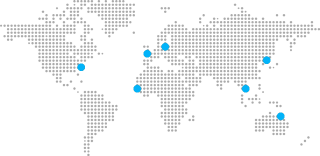
We Are Everywhere in India & Overseas.


GET IN TOUCH

Follow Our Activity

TO get an update about our daily activity just follow us and Join the Hands to Save Mother-Earth